Staying Healthy on Vacation Without Sacrificing Fun
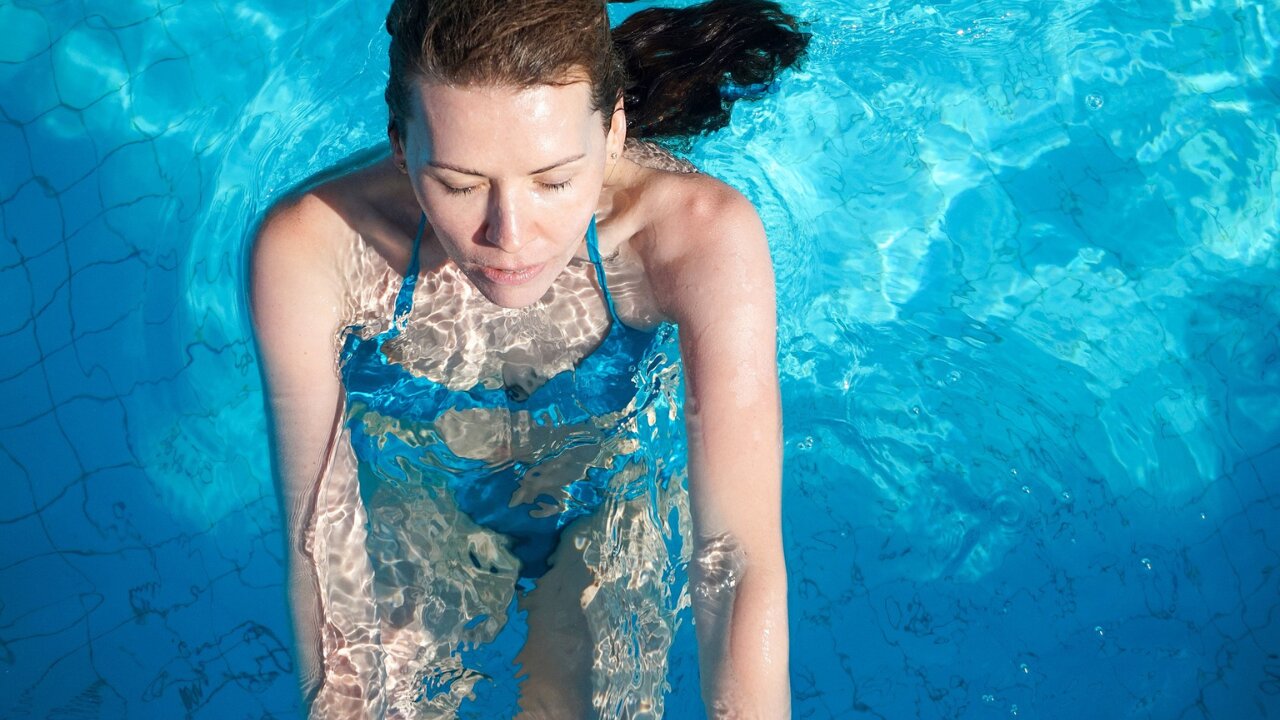
Why the “Bikini Body” Conversation Needs to End
There’s a conversation we need to have before we talk about anything else. It’s about that creeping anxiety that shows up uninvited the moment you book a trip somewhere sunny-that voice whispering about how you’ll look in a bathing suit, whether you’ve “earned” the right to wear that bikini, or if you should spend the next six weeks living on salads and treadmill sessions.
Body positivity experts point out that the fitness industry has spent decades selling us the idea that our bodies need to be “beach ready”-as if the beach has some kind of entrance exam. Magazines, social media influencers, and even well-meaning friends perpetuate this myth that vacations are rewards we need to physically qualify for. But here’s what I’ve learned from working with countless women who came to me panicked about upcoming trips: the pursuit of a “perfect vacation body” often robs us of joy long before we ever reach the beach.
The women who walk away feeling genuinely good about their vacation experience aren’t the ones who starved themselves beforehand or spent their trip counting every calorie. They’re the ones who approached their time away as exactly what it should be-a break. A reset. Permission to simply exist in their bodies without judgment.
Your body right now, as it is, deserves sunshine. It deserves sand between its toes and salt water on its skin. The only preparation your body needs for a bikini is putting one on.
Have you ever let pre-vacation anxiety steal your joy before a trip even started?
Drop a comment below and let us know how you’ve handled those feelings-we’re all in this together.
What Healthy Actually Looks Like on Vacation
Here’s something that might surprise you: staying healthy on vacation doesn’t require restriction, punishment, or deprivation. In fact, those approaches usually backfire spectacularly. When we approach vacation with a militant mindset about food and exercise, we either burn out and binge, or we spend the whole trip stressed and unable to enjoy ourselves.
True vacation wellness is about working with your body, not against it. It’s about recognizing that your physical and mental health are connected, and that genuine rest and pleasure are legitimate health needs. Your nervous system needs downtime. Your relationships need uninterrupted quality time. Your spirit needs adventure and novelty.
The strategies that actually work are the ones that enhance your vacation experience rather than detract from it. They’re sustainable because they feel good, not because you’re white-knuckling through them.
Movement That Doesn’t Feel Like Punishment
Your body was designed to move, and that doesn’t change just because you’re on vacation. But movement on vacation should look completely different from your regular workout routine-and that’s not just okay, it’s ideal.
Think about it: you’re in a new environment with new opportunities. Maybe there’s a beach perfect for morning walks when the sand is still cool. Maybe the resort has a pool you could swim laps in while the sun rises. Maybe there’s a hiking trail nearby with views you’d never see from a treadmill. Perhaps there are water sports you’ve always wanted to try-kayaking, paddleboarding, snorkeling.
The goal isn’t to maintain your exact fitness regimen. The goal is to move in ways that feel like part of your vacation rather than an interruption to it. A thirty-minute walk on the beach while the waves crash beside you isn’t the same as thirty minutes on a gym treadmill staring at a screen. One feeds your soul while it moves your body. The other is just maintenance.
If your accommodation has a fitness center and that’s genuinely appealing to you, use it. But don’t force yourself there out of guilt or fear. Ask yourself: “Will this movement add to my vacation experience or detract from it?” If the answer is the latter, find a different way to move.
Hotel room workouts can be a practical solution when you genuinely want to move but don’t have access to facilities or the weather isn’t cooperating. Bodyweight exercises require no equipment and can be done in small spaces-think squats, lunges, planks, and push-ups. Twenty to thirty minutes of focused movement can energize you for the day ahead without eating into your vacation time.
The Hydration Factor Most People Underestimate
Water might be the least exciting topic on this list, but it’s arguably the most important. Dehydration is responsible for more ruined vacation days than people realize. That headache you blamed on the sun? Probably dehydration. The fatigue that had you skipping the afternoon excursion? Likely dehydration. The severe hangover that kept you in bed until noon? Dehydration played a starring role.
Vacation environments are often working against your hydration levels. Hot weather increases sweating. Sun exposure pulls moisture from your skin. Air conditioning in hotel rooms dries out your respiratory system while you sleep. Salt water and chlorine further dehydrate you. And then there’s alcohol, which we’ll address in a moment.
The solution is deceptively simple: carry water with you everywhere. Have a bottle on the beach. Bring one on excursions. Keep water by your bed. Drink a full glass when you wake up and another before each meal. Make it a habit to alternate between alcoholic drinks and water throughout the evening.
Staying hydrated also helps with that bloated feeling many people experience while traveling. When your body is dehydrated, it holds onto whatever water it has. When you drink enough consistently, your body relaxes and stops retaining excess fluid. You’ll feel lighter, more energized, and more ready to actually enjoy your vacation activities.
Finding this helpful?
Share this article with a friend who might need it right now.
A Realistic Approach to Vacation Drinking
Let’s be honest about alcohol on vacation. Most people drink more than usual, and that’s not inherently a problem unless it derails your ability to enjoy your trip. The issue isn’t alcohol itself-it’s the way many vacation drinks are constructed.
Those frozen margaritas and elaborate daiquiris taste amazing, but they’re essentially sugar bombs with a splash of liquor. One or two won’t cause major issues, but when you’re drinking several throughout a beach day, you’re consuming a shocking amount of sugar and empty calories. More problematically, the combination of sun, sugar, and alcohol creates conditions for truly brutal hangovers.
A smarter approach isn’t about saying no to drinks-it’s about making choices that let you enjoy drinking without the consequences sabotaging your trip. After your initial indulgence in whatever tropical concoction you’ve been craving, consider switching to simpler options: wine, beer, or spirits with soda water and fresh fruit for flavor.
Vodka or rum with sparkling water and a squeeze of lime is refreshing, lower in sugar, and won’t leave you feeling wrecked the next morning. Many destinations have local fruits you can request as garnishes, adding flavor without the syrupy mixers. And that alternating-with-water strategy mentioned earlier? It’s legitimately life-changing for avoiding vacation hangovers.
The goal is staying present and feeling good throughout your trip, not recovering from the night before. Your vacation time is precious-don’t spend it in bed with a headache.
Navigating Buffets Without Losing Your Mind
The all-inclusive buffet can feel like either a blessing or a curse, depending on your relationship with food. The abundance can trigger old “scarcity mindset” patterns-the feeling that you need to eat everything now because it’s there. But approaching buffets with some basic awareness can help you enjoy the variety without the discomfort of overindulgence.
First, remind yourself that the buffet isn’t going anywhere. It will be there for breakfast, lunch, and dinner throughout your entire stay. You don’t need to try everything today. There will be other meals, other opportunities to sample that interesting-looking dish.
Start your plate with foods that will genuinely nourish you-fresh fruits, vegetables, proteins. Then add smaller portions of the treats and indulgences you’re curious about. This isn’t about restriction; it’s about balance that actually feels good. Nobody enjoys the post-meal discomfort of eating past fullness, that heavy, sluggish feeling that makes you want to sleep instead of explore.
Pay attention to local cuisine. Vacation is an opportunity to try foods you can’t easily get at home. Often, traditional local dishes are made with fresh, whole ingredients and are more satisfying than the generic “international” options available at resort buffets.
Give yourself full permission to enjoy treats. Vacation desserts, specialty items, local delicacies-these are part of the experience. The key is savoring them rather than mindlessly consuming them. Eat slowly. Notice flavors and textures. Stop when you’re satisfied, not when you’re stuffed.
Supplements as a Safety Net
This is a strategy that has genuinely improved my travel experience, and it might be worth considering for yours. Bringing a small selection of supplements can help bridge nutritional gaps when your eating isn’t as balanced as usual.
A quality multivitamin ensures you’re getting basic nutrients even on days when your diet is heavy on vacation food and light on vegetables. Protein powder or bars can be helpful snacks when options are limited-on excursion days when meals are unpredictable, or when you want something substantial but aren’t near a restaurant.
This isn’t about obsessive supplementation or making up for “bad” eating. It’s about practical support for your body during a time when your routine is completely different. Some people also find digestive enzymes helpful when eating unfamiliar foods, or magnesium to help with sleep in a new environment.
Pack what makes sense for you, keeping it simple and practical. A few servings of your essentials tucked into your luggage can provide peace of mind without adding stress to your trip.
The Permission You Need to Hear
More than any specific tip or strategy, the most important thing you can bring to your vacation is permission. Permission to rest. Permission to indulge. Permission to exist in your body without apologizing for it or trying to change it. Permission to come home feeling restored rather than depleted.
Healthy vacation habits aren’t about damage control or preventing weight gain. They’re about feeling good enough to fully experience and enjoy your time away. They’re about having energy for adventures and mental clarity for making memories.
When you approach your trip from a place of self-care rather than self-punishment, everything shifts. Movement becomes play. Food becomes exploration. Rest becomes restoration. And your body-exactly as it is right now-becomes the vessel through which you experience all of it.
You deserve this vacation. Not a smaller version of you. Not a more toned version of you. Not a version of you that earned it through deprivation. You, as you are, deserve sunshine and rest and adventure and pleasure. Take it all in.
We Want to Hear From You!
Tell us in the comments which tip resonated most with you-and share your own vacation wellness secrets with our community.