How Cancer at 22 Broke Me Open and Rebuilt Me Stronger
Twenty-Two Is Such a Strange Age to Face Your Mortality
Twenty-two is such a strange age to get cancer, isn’t it? You’re caught between worlds, no longer a teenager but not quite a seasoned adult either. Looking back now, I couldn’t think of a better age for me to have dealt with a life-threatening disease. If you’re going through something excruciating right now, warrior, I want to tell you to trust that it’s supposed to be in your life.
I was almost twenty-three years old, sitting on the other end of the phone from a doctor who was almost not going to bother running tests because I was “so healthy.” Can you believe that? He told me it was cancer. A late stage (but curable) blood cancer.
I felt stuck in this weird limbo. I was too young to have real wisdom under my belt, just like my friends who were trying their best to comfort me. Yet, I was too old to adopt the method of my youth and excitedly stay home from school to watch TV. So where does that leave one? Too young to look after myself, but too old to just be mum’s baby girl.
Research from the American Psychological Association shows that post-traumatic growth is real and measurable. People who face adversity often develop greater appreciation for life, improved relationships, increased personal strength, recognition of new possibilities, and spiritual development. But in that moment, sitting with my diagnosis, I couldn’t see any of that. I could only see darkness.
Have you ever felt stuck in the middle like that? Where you have to grow up way too fast?
Drop a comment below and share your story. Your experience might help another woman feel less alone.
When Life Interrupts Every Plan You’ve Made
I remember thinking: How dare cancer interrupt my social life. How dare it interrupt my progression. How dare it interrupt my relationships. How dare it interrupt my degree. How dare it interrupt my whole life!
But here is the truth, lovely. A disease like cancer doesn’t discriminate. It doesn’t matter your age, race, ability, gender, manner, or your postcode. It will strip you raw. It will grind you in every way possible. But maybe, just maybe, this is the point?
As the great Tony Robbins describes, “life happens for us, not to us.”
This philosophy isn’t just motivational fluff. It’s grounded in what psychologists call “cognitive reframing,” a technique where you consciously shift your perspective on difficult events. According to research published in the Journal of Clinical Oncology, cancer patients who practice positive reframing show better psychological adjustment and even improved immune function.
What I Held Onto in the Darkest Moments
This is what I held on to when the nights got dark:
- There were so many moments I wanted to jump off the train when I was in a dark tunnel, but I had to learn to trust the driver.
- I had to learn to trust the universe.
- I had to learn to trust in something greater, that this was happening for me.
- To take me to where I am meant to be.
- To show me my way in life and to allow me to grow.
I am only 25 now and honestly, I wouldn’t know myself like I do if I didn’t endure this disease. I believe, like everything, that the lessons we need to learn in life come in a variety of ways. Experiences are never really “bad” unless we see them this way. Everything is neutral until we judge it differently.
If you’re struggling with finding meaning in your pain, learning how to find purpose through difficult times can completely transform your healing journey.
The Science Behind Finding Meaning in Suffering
It’s a massive game changer when you start to think this way, warrior. If you really think about it, people who have been through hard things often say “it was the best thing that happened to me.” I didn’t believe such a cliché, not until I went through it myself.
Viktor Frankl, the renowned psychiatrist and Holocaust survivor, built an entire therapeutic approach around this concept. His logotherapy suggests that humans are primarily driven by a search for meaning, and that we can find meaning even in unavoidable suffering. This isn’t toxic positivity or pretending pain doesn’t hurt. It’s about extracting wisdom from our wounds.
The difference between those who are crushed by adversity and those who rise through it often comes down to narrative. How do you tell the story of what happened to you? Are you the victim of random cruelty, or are you the hero on a transformative journey?
Finding this helpful?
Share this article with a friend who might need it right now.
Miracles After the Storm: When the Impossible Happens
I was told that I probably wouldn’t be able to have children after the strong chemotherapy. Imagine that. Before you even entertain the idea of recreating, you’re told you probably cannot. It was heartbreaking.
The statistics weren’t in my favor. According to the American Cancer Society, certain chemotherapy drugs can cause temporary or permanent infertility in women, depending on the type and dosage. I was prepared for the worst.
However, only months after chemo, my loving partner and I (who held space for me through my whole journey) conceived not one, but two baby girls! Our twins are now two years old. We would have never been ready for the ferocity and the deliciousness of our girls if we didn’t have all those lessons in the year prior. Counting our blessings daily is truer than true for us.
The Unexpected Gifts of Going Through Hell
Cancer stripped away everything I thought I knew about myself. It demolished my carefully constructed identity as a healthy, invincible young woman. But in that demolition, I found something I never expected: my authentic self.
Before cancer, I was living on autopilot. Going to university because that’s what you do. Making plans because society expected them. But when you’re faced with your own mortality at 22, all those external expectations become laughably irrelevant. What matters? What truly matters?
I discovered that embracing self-love isn’t selfish. It’s survival. It’s the foundation upon which everything else is built.
Choosing Your Perspective: A Daily Practice
Using a mindframe of viewing everything as neutral (or at least teasing as much good as I can possibly see out of all situations) is imperative to my conscious way of living now. When I meet a challenge, I ask myself, “Why is this showing up for me?” and “What is it that I must take from this?”
This is what helps me to reduce overwhelm because if something is tough, I look at how much more tools I’ll have afterward. This is what helps me to know I am not a victim. In fact, I attract into my life all the challenges I need because they serve me. Therefore, if something is triggering me, I use that as a muse for an area I must need to work through.
Practical Steps for Shifting Your Mindset
If you’re going through something difficult right now, here are the exact practices that helped me shift from victim to victor:
- Morning gratitude ritual: Before I even get out of bed, I name three things I’m grateful for. This rewires your brain to look for the good.
- The “what’s the lesson” question: When something painful happens, I ask myself what I’m supposed to learn. Sometimes the answer comes immediately. Sometimes it takes months.
- Body awareness: I learned to listen to my body’s signals. Cancer taught me that ignoring physical symptoms is dangerous. Now I check in with my body daily.
- Community connection: I stopped trying to be strong alone. I leaned into my relationships and asked for help when I needed it.
- Future visioning: Even in the darkest days of chemo, I would visualize my healthy future self. I saw myself holding babies I wasn’t supposed to have.
Learning to understand the mind-body connection was one of the most powerful tools in my healing arsenal.
Living Consciously After Facing Death
I have a life now that I have consciously created because I know what can happen if I don’t live congruent to my values. Cancer showed me the path I am supposed to be on. I couldn’t think of a better age for me to have been dealt with a life-threatening disease.
Before cancer, I was drifting. I was making decisions based on what others expected of me, not what my soul needed. Now, every choice I make is intentional. Every relationship I maintain is chosen. Every moment with my twin girls is savored.
The Difference Between Then and Now
Then, I worried about what people thought of me. Now, I worry about whether I’m living authentically.
Then, I took my health for granted. Now, I treat my body like the miracle it is.
Then, I postponed joy for “someday.” Now, I find reasons to celebrate every single day.
Then, I thought I had all the time in the world. Now, I know that time is our most precious resource, and I refuse to waste it.
I Do Not See It as a Gift, But I Am Thankful Every Day for the Blessing
I do not see cancer as a gift because I would not give it to you. The pain was real. The fear was real. The nights spent crying, wondering if I would see my next birthday, were devastatingly real. I would never wish this experience on anyone.
But I am thankful every day for the blessing. I am thankful for the woman cancer forced me to become. I am thankful for the clarity it brought. I am thankful for my twins, who shouldn’t exist according to medical statistics but are here, wild and wonderful, proving that miracles happen.
If you are going through something excruciatingly difficult right now, lovely, you need this. Ask yourself why. Be so very open and the answers will come in perfect timing.
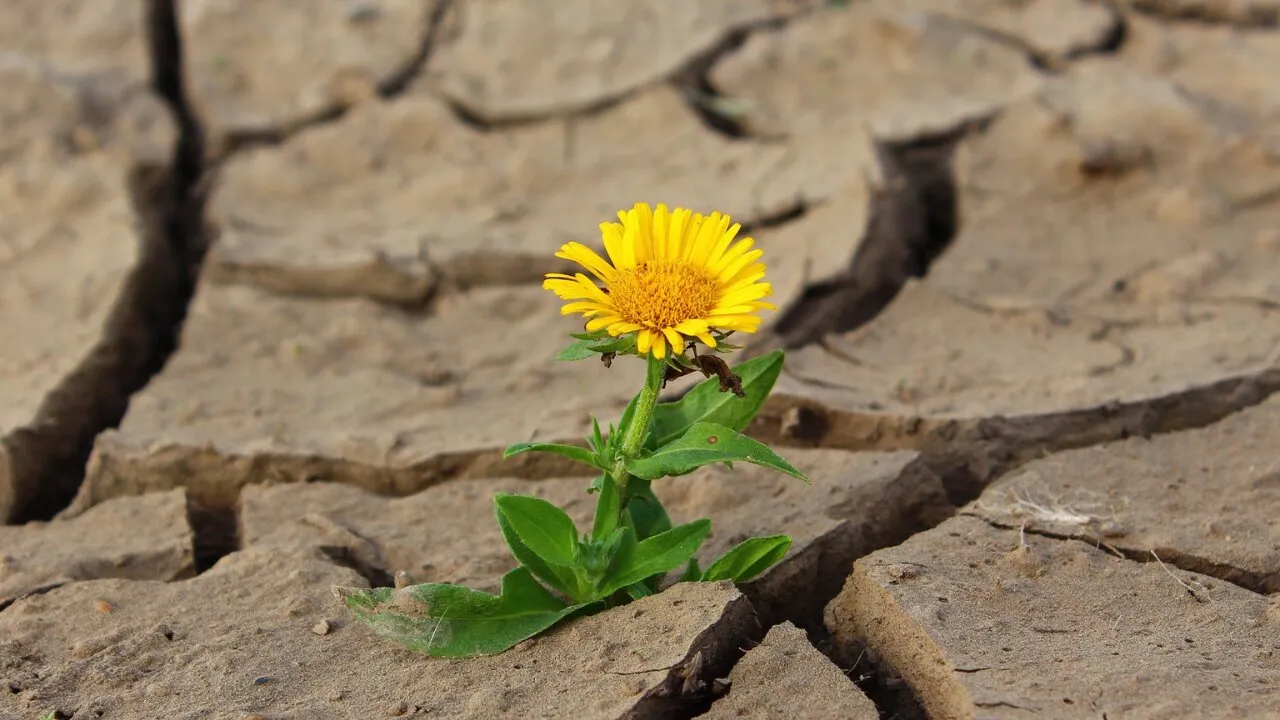
You are not being punished. You are being prepared. You are not being broken. You are being rebuilt. The darkness you’re in right now? It’s not a pit. It’s a tunnel. And there is light on the other side, even if you can’t see it yet.
Trust the driver. Trust the universe. Trust that you are exactly where you need to be, learning exactly what you need to learn, becoming exactly who you’re meant to be.
We Want to Hear From You!
Has a difficult struggle ever turned into your biggest lesson? Share your story in the comments below. Your experience might be the exact thing another woman needs to read today.