Why Your Breakdowns Are Actually Opening Doors You Can’t See Yet

There is a moment in every person’s life when everything feels like it is falling apart. The ground beneath you shifts, the walls close in, and you are left wondering how you ended up here. Whether it is a career setback, a painful relationship ending, or a deep internal crisis that seems to have no name, breakdowns have a way of making us feel utterly powerless.
But here is the truth most people never consider: breakdowns are not the opposite of progress. They are the beginning of it.
When life cracks you open, it is not destroying you. It is making room for something new to grow. The pain you feel during a breakdown is not a sign that you are weak or broken. It is a signal that something inside you is ready to change, ready to evolve, ready to step into a version of yourself that the old patterns could never contain.
Understanding this does not make breakdowns easier. But it does make them meaningful. And meaning, as it turns out, is one of the most powerful forces we have for getting through the hardest moments of our lives.
The Science Behind Why Breakdowns Lead to Breakthroughs
It might sound like wishful thinking to say that breakdowns serve a purpose, but psychology actually supports this idea. Research in the field of post-traumatic growth has shown that people who go through significant emotional upheaval often emerge with a deeper appreciation for life, stronger relationships, increased personal strength, and a clearer sense of new possibilities.
This does not mean suffering is something to chase. It means that when suffering finds you (and it will), it carries within it the raw material for transformation. The key is how you respond to it.
When we experience a breakdown, our brain is essentially being forced to reorganize. Old neural pathways that supported outdated beliefs, unhealthy coping mechanisms, and limiting stories about who we are get disrupted. In that disruption, there is an opening. The question is whether you will walk through it or retreat back to what feels familiar.
According to psychologist Richard Tedeschi’s research on post-traumatic growth, people who lean into their difficult experiences rather than avoiding them are more likely to report lasting positive change afterward. The breakdown itself becomes the doorway.
Have you ever looked back on a painful chapter of your life and realized it was actually the turning point you needed?
Drop a comment below and let us know what your breakdown taught you about yourself.
Why We Resist the Very Thing That Could Free Us
If breakdowns are so transformative, why do most of us fight them with everything we have? The answer is simple: they hurt. And our brains are wired to avoid pain.
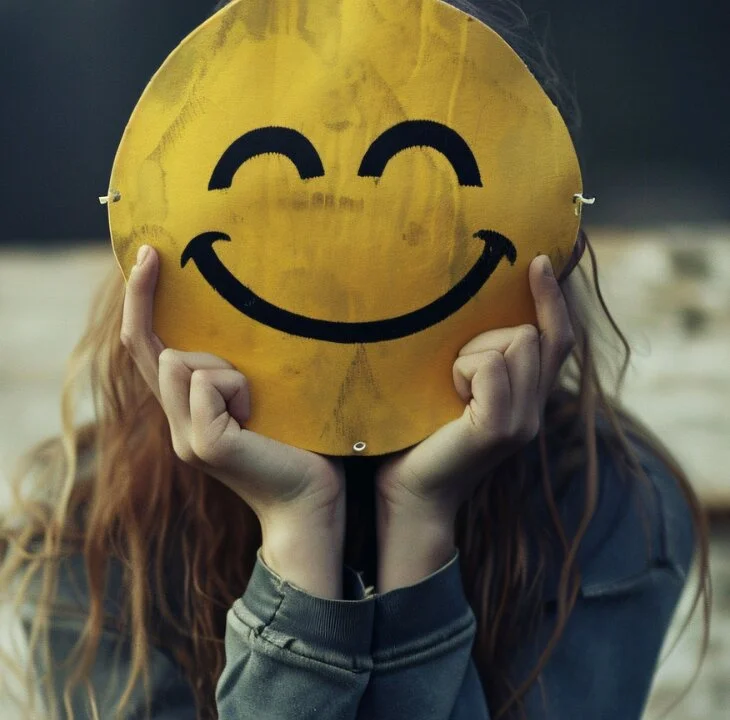
When uncomfortable emotions surface, whether it is grief, shame, anger, or deep sadness, our first instinct is to numb, distract, or push through. We scroll our phones. We pour another glass of wine. We plaster on a smile and tell everyone we are fine. We do anything and everything to avoid sitting in the discomfort.
But avoidance does not make the pain go away. It just delays the inevitable and often makes the eventual reckoning even harder. Those suppressed emotions do not disappear. They settle into your body, your relationships, and your sense of self. They show up as chronic anxiety, unexplained irritability, or a persistent feeling that something is off even when your life looks perfectly fine on the outside.
The walls and barriers that feel so real during a breakdown are often ones we built ourselves. They are made of false beliefs, old stories we internalized from childhood, and fears that were never truly ours to carry. When you stop running and actually look at what is in front of you, those walls often turn out to be far less solid than they appeared.
The Cost of Avoiding Your Feelings
There is a very real cost to emotional avoidance, and it goes beyond just feeling stuck. When you refuse to process difficult emotions, you also limit your capacity for the positive ones. You cannot selectively numb. When you shut down sadness, you also dim your ability to feel deep joy, genuine connection, and authentic fulfillment.
This is one of the most overlooked aspects of self-love. Loving yourself does not mean protecting yourself from all discomfort. It means trusting yourself enough to feel everything fully, knowing you have the strength to handle whatever comes up.
Think of it this way: the person who never allows themselves to grieve fully will also struggle to love fully. The person who refuses to acknowledge their anger will have a hard time setting healthy boundaries. Your emotional range is not something to be managed and minimized. It is something to be honored.
How to Move Through a Breakdown with Intention
Knowing that breakdowns serve a purpose is one thing. Actually navigating one with grace is another. Here are some approaches that can help you turn your hardest moments into your greatest catalysts for growth.
Stay Present Instead of Rushing to Fix
When pain hits, our instinct is to fix it immediately. We want solutions, action plans, and timelines for when we will feel better. But healing does not work on a schedule. One of the most powerful things you can do during a breakdown is simply stay present with what you are feeling without trying to change it.
This does not mean wallowing. It means giving yourself permission to feel without judgment. Sit with the sadness. Let the tears come. Acknowledge the anger without acting on it destructively. When you stop fighting your emotions and start observing them, something remarkable happens: they begin to move through you more quickly than they would if you were resisting them.
Ask the Hard Questions
Breakdowns often carry important information if you are willing to listen. Instead of doing everything you can to change your mood and state, stay with it. Dig deeper to find out what has caused you to feel this way. Ask yourself the hard “why” questions.
Why am I really upset? Is it this situation, or is it triggering something older and deeper? What belief about myself is being challenged right now? What would I need to let go of in order to move forward?
These questions are not comfortable. But they are the ones that lead to genuine growth through discomfort. When you pinpoint the exact root of your pain rather than just treating the symptoms, you address the real issue. And that is where lasting transformation begins.
Finding this helpful?
Share this article with a friend who might need it right now.
Remember That This State Is Temporary
One of the most important things to hold onto during a breakdown is that it will not last forever. Emotions are, by their very nature, temporary states. They rise, they peak, and they fall. Even the most intense grief, the most crushing disappointment, the most paralyzing fear will eventually shift.
This is not dismissing your pain. It is giving you perspective within it. When you know that the storm will pass, you can stop clinging to the shore and actually allow yourself to move through the water. The sooner you embrace the full weight of what you are feeling, the sooner you will reach the other side.
Align Your Actions with Your Intentions
We all say we want love, happiness, fulfillment, and peace. We work incredibly hard to achieve these things. But when the moment of breaking down arrives to clear out old patterns and false beliefs, many of us numb out, ignore the signals, or brush them aside.
This creates a disconnect between what we say we want and what we are actually willing to go through to get it. Real alignment means accepting that the path to the life you desire runs straight through the experiences you are most afraid of having.
It takes courage to confront your inner fears, but it is the only way to stop living in reaction to them. When your actions match your deepest intentions, everything changes. The walls begin to crumble. The doors begin to open. Not because the universe is rewarding you, but because you finally stopped standing in your own way.
The Moment Everything Shifts
There is a specific moment in every breakdown where something changes. It is the moment you decide to look at your pain for what it really is, not more and not less. You stop catastrophizing, and you stop minimizing. You simply see it clearly.
That moment of honest acknowledgment is where the breakthrough lives. It is where you discover that the thing you were most afraid of facing was actually far less terrifying than the energy you were spending trying to avoid it.
People who have gone through significant life transformations almost always point back to a moment of surrender. Not giving up, but giving in. Letting go of the need to control the outcome and trusting that feeling everything fully is the fastest path to the other side.
According to research published by the Harvard Health Publishing, learning to sit with discomfort rather than immediately reacting to it is a cornerstone of emotional resilience. The practice of allowing rather than resisting is what separates people who get stuck in their pain from people who use it as fuel.
A Reframe for Your Next Hard Moment
The next time you find yourself confused, sad, upset, angry, hurt, or overwhelmed, try this: instead of telling yourself something is wrong, tell yourself something is shifting. Instead of labeling the experience as a failure or a setback, consider that it might be the exact recalibration you need.
Say to yourself: “These are the emotions I need to feel fully to get to the other side. It is okay to feel this way, and I deserve the fulfillment, happiness, and love that is waiting for me on the other side of this moment.”
Then stay. Do not rush. Do not distract. Do not pretend. Just feel it all, one layer at a time, until the weight begins to lift on its own.
Because here is the beautiful paradox of breakdowns: the very moment you stop trying to escape them is the moment they start losing their grip on you. The door was never locked. You just had to stop pushing and let it open.
Your breakdowns are not your enemy. They are your teacher, your healer, and sometimes, your greatest gift. Trust the process. Trust yourself. And know that everything beautiful you have ever wanted is waiting on the other side of the courage it takes to fall apart completely.
We Want to Hear From You!
Tell us in the comments which part of this resonated most with you, or share what your last breakdown taught you about yourself.