Putting Yourself First Is Not Selfish, It Is the Foundation of Real Love
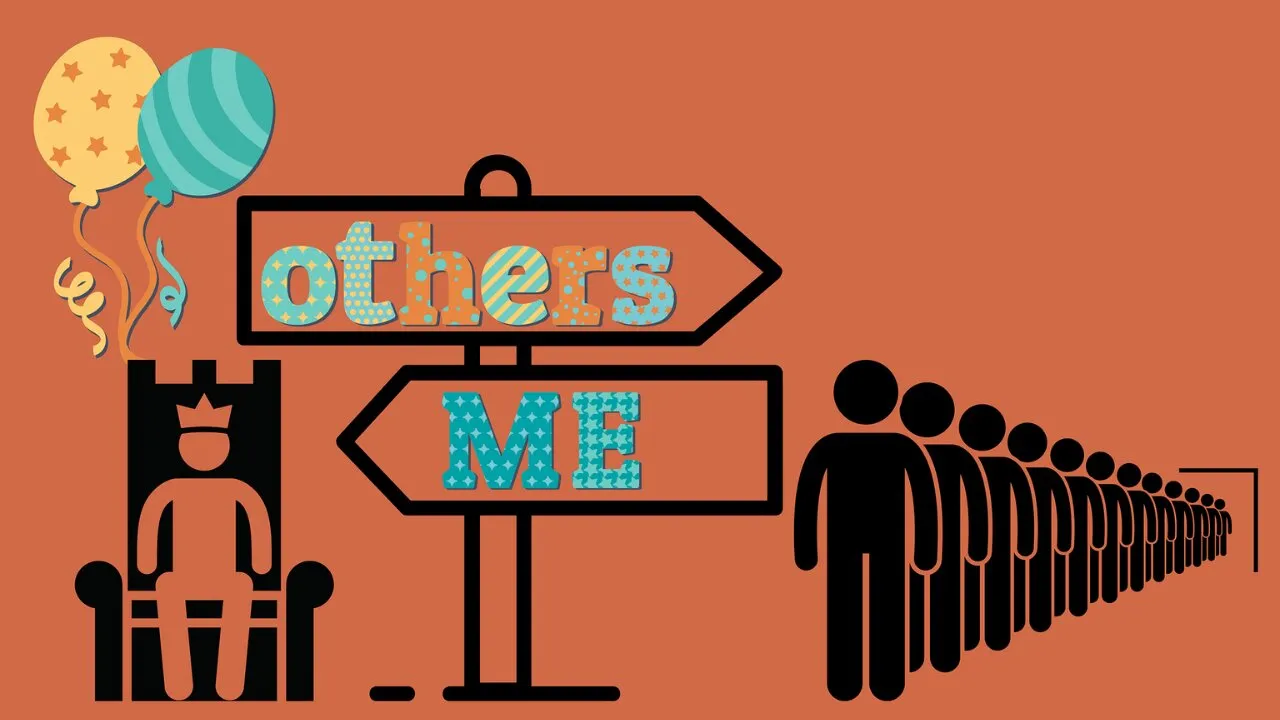
There is a word that has followed women through centuries of sacrifice and silence. It surfaces every time you consider resting instead of producing, every time you decline an invitation, every time you close the door and choose solitude over service. That word is selfish.
From the moment we are old enough to understand expectation, most women absorb a painful belief: that loving others means erasing yourself. That good mothers, good wives, good friends, and good daughters give endlessly without complaint. That the measure of a woman’s worth is how much she pours out, not how full she feels.
But what if putting yourself first is not the opposite of love? What if it is actually the most honest and sustainable expression of it?
Where the Guilt Really Comes From
The guilt you feel when you rest is not random. It has roots. For generations, women were expected to exist in service to others. A woman who expressed her own needs was considered improper. A woman who pursued her own desires was labeled dangerous. The “good woman” archetype demanded complete self-erasure, and that archetype did not disappear when laws changed. It lives on in our nervous systems, our inner dialogue, and the way we apologize for wanting things.
Think about the patterns you inherited. Maybe your mother never sat down during dinner. Maybe your grandmother worked through illness without complaint. Maybe you watched the women around you shrink themselves to make room for everyone else, and somewhere along the way, you learned that this was love.
It was not love. It was survival. And you are allowed to choose differently.
Research from the American Psychological Association consistently shows that women experience higher rates of anxiety and depression partly because of the relentless pressure to prioritize others at the expense of their own well-being. The guilt is not a sign that you are doing something wrong. It is a signal that you are finally breaking a pattern that was never meant to serve you.
When was the last time you chose yourself without feeling guilty about it?
Drop a comment below and tell us what happened when you finally said “this is my time.”
What Happens to Your Body When You Always Come Last
Self-neglect is not just emotionally draining. It is physically destructive. When you consistently suppress your own needs, your body responds with chronic stress. Cortisol stays elevated. Sleep quality deteriorates. Your immune system weakens. Over time, this pattern contributes to inflammation, fatigue, digestive issues, and a feeling of numbness that many women mistake for “just being tired.”
According to Harvard Health, self-care practices are not indulgent luxuries but essential strategies for maintaining the energy and mental clarity required to function well. When researchers talk about burnout, they are describing exactly what happens when someone gives without replenishing: a slow collapse that affects every area of life.
You have probably experienced this yourself. The short temper that appears after weeks of overgiving. The resentment that builds when no one notices your sacrifice. The strange emptiness that comes from being surrounded by people you love but feeling completely alone. These are not character flaws. They are symptoms of a cup that has been empty for too long.
The Oxygen Mask Is Not a Metaphor
Flight attendants do not instruct you to secure your own oxygen mask first because they want you to be selfish. They say it because an unconscious person cannot help anyone. This principle extends far beyond airplanes. You cannot offer patience when you are depleted. You cannot give genuine attention when your mind is screaming for rest. You cannot model healthy love for your children while silently resenting every moment of your day.
When you are nourished, rested, and connected to your own inner world, the love you give becomes deeper and more real. Not because you are performing sacrifice, but because you are sharing from abundance.
The Difference Between Healthy Selfishness and Harmful Self-Centeredness
One of the reasons women resist putting themselves first is the fear of becoming someone they do not want to be. There is a real difference between healthy selfishness and harmful self-centeredness, and understanding it can free you from the false choice between total self-sacrifice and total self-absorption.
Harmful self-centeredness comes from disconnection. It treats other people as tools. It demands attention without offering care. It lacks empathy and operates from a place of fear or entitlement.
Healthy selfishness comes from wholeness. It recognizes that your needs are valid, not because they are more important than anyone else’s, but because they are equally important. It understands that caring for yourself creates more capacity to care for others. It does not compete with love. It feeds it.
Exploring the different dimensions of self-love can help you see that prioritizing yourself is not one single act but a practice that touches every part of your life, from your body to your boundaries to your beliefs.
Finding this helpful?
Share this article with a friend who might need permission to put herself first today.
How to Start Putting Yourself First (Without the Guilt Spiral)
Knowing that you deserve to prioritize yourself is one thing. Actually doing it, especially when every cell in your body has been trained to defer, is another. Here are real, practical ways to begin.
Set Boundaries Without Over-Explaining
Boundaries are not punishments. They are instructions. They tell the people in your life how to treat you, and they protect the energy you need for the things that matter most. Start by noticing where you consistently feel drained or resentful. Those are the places where a boundary is missing.
Practice saying no without a paragraph of justification. “I cannot do that this week” is a complete sentence. “That does not work for me” requires no follow-up. The people who respect you will adjust. The people who do not were benefiting from your lack of boundaries, not from your love.
Treat Self-Care Like a Real Commitment
If your self-care only happens when everything else is done, it will never happen. Block time for yourself the way you would block time for a doctor’s appointment or a work meeting. A morning walk before anyone else wakes up. An hour of reading in the evening. A weekly class that is yours alone. The activity matters less than the consistency. What matters is that you show up for yourself with the same reliability you show up for everyone else.
Rebuild Trust With Your Body
Your body has been sending you signals for years. Hunger, fatigue, tension, restlessness. Most women learn to override these signals so efficiently that they stop noticing them entirely. Start checking in throughout the day. What do you actually need right now? Not what does your to-do list say, not what does your family expect, but what does your body need?
When you honor those signals consistently, something shifts. You begin to trust yourself again. And that trust becomes the foundation for every other act of self-prioritization.
Let the Guilt Pass Through
Guilt will come. Expect it. When it arrives, do not let it make your decisions. Recognize it as the voice of old conditioning, not the voice of truth. You can feel guilty and still choose yourself. You can feel uncomfortable and still hold your boundary. The guilt will fade as the new pattern becomes familiar. What will not fade is the resentment and exhaustion that come from always putting yourself last.
The Ripple Effect of a Woman Who Chooses Herself
When you commit to your own well-being, you do not just change your life. You change the lives of everyone around you. Your children learn that rest is not laziness. Your partner learns that love does not require martyrdom. Your friends feel permission to honor their own needs. You become living proof that a woman can be generous and boundaried, loving and self-prioritizing, giving and full.
This is how generational patterns break. Not through grand gestures, but through the quiet daily choice to fill your own cup before pouring into everyone else’s.
Learning to reconnect with your feminine power often starts here, with the simple and radical act of listening to what you truly want instead of performing what you think you should want.
As Psychology Today puts it, self-care is not about self-indulgence. It is about self-preservation. And for women who have spent their lives pouring out for others, preservation is a revolutionary act.
You Do Not Need Permission, But Here It Is Anyway
If some part of you has been waiting for someone to say it is okay, here it is. You are allowed to rest when you are tired. You are allowed to say no when you are full. You are allowed to want things that have nothing to do with anyone else. You are allowed to take up space in your own life without earning it through exhaustion.
Your well-being is not a reward for good behavior. It is a baseline requirement for a life that feels like yours. The world does not need more depleted women performing love through sacrifice. It needs women who are whole, present, and honest about what they need.
Fill your cup first. Not because you are selfish, but because everything beautiful you want to give the world flows from that fullness. Surround yourself with women who encourage your growth rather than those who reinforce the old story that your worth depends on how much you give away.
Start today. Start small. But start.
We Want to Hear From You!
What is one thing you are doing this week to put yourself first? Tell us in the comments below.