Nourishing Your Spirit, One Plate at a Time: The Spiritual Practice of Plant-Based Eating
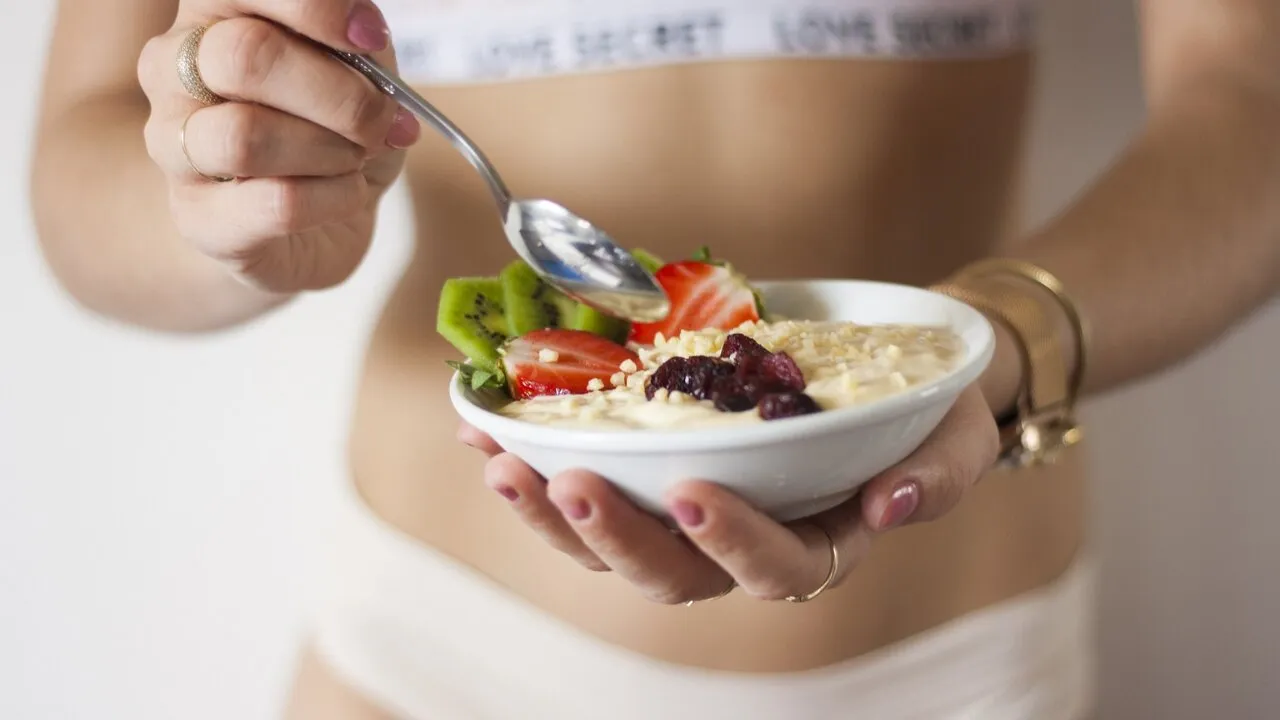
When Feeding Yourself Becomes an Act of Self-Love
There is something quietly sacred about choosing to nourish yourself well. Not because a diet plan told you to, not because you are chasing a number on a scale, but because you looked at your body and your spirit and decided they both deserved better. That is the starting point of plant-based eating when you approach it through the lens of self-love rather than restriction.
I think most of us have been taught to see food as fuel at best and as the enemy at worst. We count, we restrict, we punish ourselves for enjoying what we eat. But what if the way you feed yourself could become a form of devotion? What if preparing a meal with whole, vibrant ingredients was less about calories and more about honoring the body that carries you through every single day of your life?
When you begin to see your plate as a reflection of how you treat yourself, everything shifts. The question stops being “what should I eat?” and becomes “what does my body need from me right now?” That is not a diet. That is a spiritual practice.
Research from the Journal of the Academy of Nutrition and Dietetics confirms that well-planned plant-based diets are nutritionally complete and may help prevent certain diseases. But the real transformation is not just physical. It is the way your relationship with yourself begins to soften when you stop approaching food from a place of fear and start approaching it from a place of care.
When was the last time you prepared a meal purely as an act of kindness toward yourself?
Drop a comment below and let us know. We are curious about what nourishment looks like in your world.
The Spiritual Roots of How We Eat
Food as Energy, Not Just Fuel
Every spiritual tradition on the planet has something to say about food. From Buddhist mindful eating to Ayurvedic principles of nourishment, the connection between what we consume and how we feel energetically is ancient wisdom. When you eat a ripe piece of fruit that was grown in sunlight and soil, you are literally taking in the energy of the earth. That is not poetic exaggeration. Plants convert sunlight into sustenance, and when you eat them, that vitality becomes part of you.
Compare that to reaching for something processed, packaged, and stripped of its original life force. Your body might get calories, but your spirit gets nothing. You feel it, too, even if you have never had the language for it. That heaviness after fast food is not just physical. It is energetic. The lightness you feel after a colorful, plant-rich meal? That is your whole self responding to being genuinely cared for.
Mindfulness Starts in the Kitchen
We talk a lot about meditation and breathwork as spiritual practices, and they are. But there is a form of mindfulness that happens when you stand at a cutting board, slicing vegetables with intention, that is just as powerful. The repetitive motion. The colors. The smells. The act of creating something nourishing from raw, simple ingredients. It grounds you in the present moment in a way that feels effortless.
If you have ever struggled with traditional meditation, try this instead: spend twenty minutes on a Sunday afternoon washing and prepping vegetables for the week. Slice carrots, peppers, and cucumbers. Arrange them in glass containers. Pour yourself a cup of tea while you work. Notice how your thoughts slow down, how your breathing deepens. That is mindfulness. You did not need a cushion or a timer. You just needed to show up for yourself in the kitchen.
This kind of intentional relationship with food also interrupts the cycle of emotional eating. When you prepare nourishment ahead of time, you create a buffer between impulse and action. You give yourself the gift of a choice that has already been made with love.
Cooking as a Creative Ritual
There is something almost alchemical about taking last night’s roasted vegetables and transforming them into a warm, spiced soup. You add broth, a handful of lentils, a squeeze of lemon, and suddenly you have created something entirely new from what was left behind. If that is not a metaphor for spiritual growth, I do not know what is.
Plant-based cooking invites you to be resourceful, intuitive, and creative. You stop following rigid recipes and start trusting your instincts. What does this need? A little more warmth from cumin? Brightness from citrus? Depth from roasted garlic? Cooking this way trains you to listen, not just to the food, but to yourself. And listening to yourself is one of the most radical acts of self-love there is.
Finding this helpful?
Share this article with a friend who might need a gentler way to think about nourishment right now.
Releasing the Guilt and Welcoming the Joy
Your Worth Is Not Measured by What You Eat
Here is where the spiritual dimension of plant-based eating really matters. So much of diet culture is built on shame. You ate the “wrong” thing, so now you are bad. You skipped the gym, so now you need to earn your dinner. That entire framework is toxic, and it has nothing to do with genuine wellness.
Approaching food from a place of self-love means releasing that guilt entirely. You eat more plants not because you are punishing yourself for past choices, but because you are honoring your body as the sacred vessel it is. Some days that looks like a vibrant Buddha bowl. Other days it looks like chocolate fondue made with cacao, coconut oil, and fresh strawberries. Both are acts of love. Both count.
According to the American Psychological Association, mindfulness-based practices (including mindful eating) are associated with reduced stress, improved emotional regulation, and greater self-compassion. When you bring that same awareness to your plate, food stops being a battleground and starts being a source of genuine peace.
Simplicity as a Spiritual Value
We overcomplicate nourishment because we have been taught that health requires elaborate plans, expensive ingredients, and hours of prep. But some of the most spiritually grounding meals are the simplest ones. A bowl of warm grains topped with sauteed greens and sesame seeds. A piece of ripe fruit eaten slowly, with full attention. A handful of nuts and dark chocolate savored as an afternoon ritual rather than inhaled between emails.
Simplicity is not the same as deprivation. When you slow down enough to truly taste what you are eating, even the most basic ingredients become extraordinary. A study published in the Harvard Health Blog found that people who practice mindful eating report greater satisfaction with smaller, simpler meals. The richness is not in the complexity of the recipe. It is in the quality of your attention.
Building a Practice, Not a Perfect Record
Spiritual growth is not linear, and neither is changing how you eat. You will have weeks where your fridge is full of prepped vegetables and homemade trail mix, and weeks where you barely manage to eat at all. Both are part of the journey. The practice is not perfection. The practice is returning, again and again, to the intention of treating yourself with care.
You do not need to go fully plant-based overnight. You do not need to label yourself or follow anyone else’s rules. Start with one small, loving act. Maybe it is keeping a bowl of fruit on your counter so the first thing you see in the morning is something vibrant and alive. Maybe it is making a pot of soup on a quiet evening and letting the act of stirring become your meditation.
If you are also working on reclaiming stillness in other areas of your life, you will find that nourishment and rest are deeply connected. The same part of you that resists slowing down is often the part that resists being truly cared for. Feeding yourself well is one way to tell that part of you: I see you, and you are worth this.
Let Nourishment Be Your Quiet Revolution
The world will keep selling you diets, detoxes, and meal plans wrapped in guilt. You do not have to buy any of it. What you can do, starting today, is make one meal with intention. Feel your feet on the kitchen floor. Notice the color of the vegetables in your hands. Breathe. This is your body. This is your one life. And the way you feed yourself is a direct reflection of how deeply you believe you deserve to be cared for.
Plant-based eating, approached as a spiritual practice, is not about restriction. It is about abundance. It is about filling your plate and your life with things that are alive, vibrant, and full of energy. It is about trusting that you know what your body needs and giving yourself permission to provide it.
That is not a diet. That is self-love in its most tangible form.
We Want to Hear From You!
Tell us in the comments: has changing the way you eat ever changed the way you feel about yourself? We would love to hear your story.
Read This From Other Perspectives
Explore this topic through different lenses