Feeling Beautiful in Your Own Skin: A Journey to Self Love and Body Acceptance
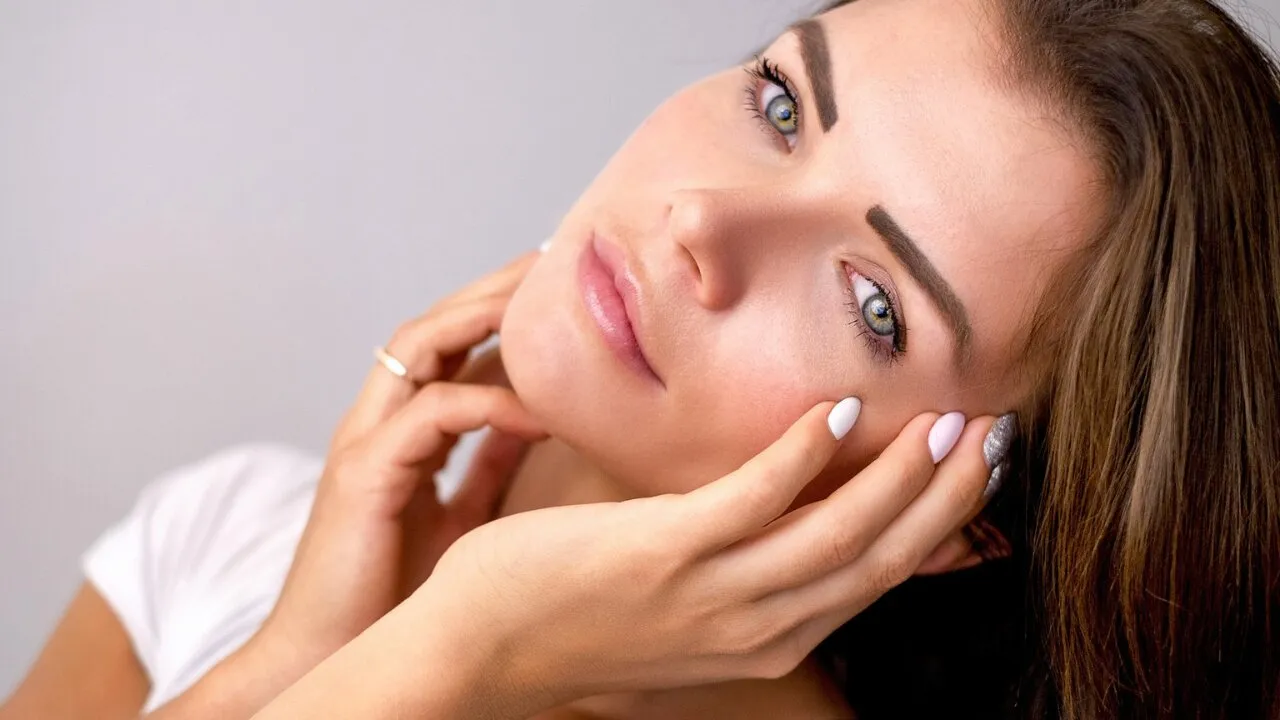
When we feel beautiful, something shifts inside us. We walk a little taller, speak with more confidence, and approach challenges with renewed energy. But how much of our precious mental and emotional energy do we lose when we criticize our bodies? That inner critic who picks apart every perceived flaw steals vitality that could be fueling our dreams, creativity, and joy.
The truth is, feeling beautiful has less to do with meeting external standards and everything to do with how you relate to yourself. According to research from the American Psychological Association, body image significantly impacts mental health, self-esteem, and overall quality of life. When we cultivate a positive relationship with our bodies, we unlock potential we never knew we had.
This guide explores practical, transformative ways to embrace your beauty from the inside out. These are not quick fixes or superficial tips, but meaningful practices that, when done with intention and commitment, can genuinely change how you see yourself.
The Mirror Exercise: Speaking Love to Yourself
The mirror exercise is deceptively simple yet profoundly powerful. It asks you to do something that most of us have never been taught: look yourself in the eyes and speak words of genuine appreciation.
Here is how it works. Set aside five minutes in a private space. Stand in front of a mirror, make eye contact with yourself, say your name, and begin speaking things you love about yourself. Start with features you already feel confident about, then move to areas where you struggle, and finish by returning to what you love most.
Why does this work? Our brains are remarkably responsive to repeated input. For years, we have absorbed messages from society, media, and sometimes even loved ones about what needs “fixing” in our appearance. We rarely hear ourselves speak kindly about our own bodies. This exercise rewires those deeply ingrained neural pathways.
In the beginning, it might feel awkward or even emotional. You might struggle to find kind words or feel resistance when complimenting features you have long criticized. This discomfort is actually a sign that you are touching something that needs healing. Keep going. According to Psychology Today, positive self-talk practices like this can measurably improve self-esteem and reduce symptoms of anxiety and depression.
Some women find it helpful to begin with functional appreciation: “I love my strong legs that carry me through my day” or “I appreciate my eyes that let me see the people I love.” This approach connects physical features to their purpose rather than purely aesthetic value.
Have you ever tried speaking kindly to yourself in the mirror?
Drop a comment below and let us know what came up for you during this exercise.
Revamping Your Wardrobe: Dressing as an Act of Self Love
Clothes are more than fabric covering our bodies. They are tools for expression, mood enhancement, and yes, feeling beautiful. Yet many of us default to wearing things that do not serve us, keeping garments out of obligation, nostalgia, or the hope that they will fit “someday.”
Think of your wardrobe the same way you think about makeup. You would not apply makeup that makes you look tired or washed out. Similarly, every piece of clothing should enhance your natural beauty and make you feel alive when you put it on.
The Feel Good Test
Go through your closet and try on each item. Look at yourself in the mirror. Ask yourself: Does this make me feel beautiful? Does it light me up? Do I feel comfortable, confident, and like myself?
If the answer is anything less than a genuine yes, consider letting that piece go. You do not need to rush out and buy new clothes. Sometimes the most powerful step is simply removing what no longer serves you. What remains is a curated collection of pieces that consistently make you feel good.
Understanding What Works for Your Body
Every body is different, and what flatters one person might not work for another. This is not about adhering to rigid “rules” about what shapes should wear what styles. It is about paying attention to how you feel.
Notice when you receive compliments. Pay attention to days when you catch your reflection and think, “I look great today.” What are you wearing? What colors, cuts, and fabrics make you feel most like yourself? If you struggle with body shaming thoughts, examining your wardrobe relationship can be particularly healing.
Comfort matters more than trend. A beautiful dress that requires constant adjusting or uncomfortable shoes that you cannot wait to remove will never make you feel beautiful, no matter how stylish they are. Prioritize pieces that let you move freely, breathe easily, and forget you are wearing them.
Finding this helpful?
Share this article with a friend who might need it right now.
Body Gratitude: Making Peace with Every Part of You
At the end of the day, when there is no mirror in front of you and you are wearing nothing but your comfortable pajamas, how do you feel about your body? This is where the deeper work happens.
Most of us carry a mental list of features we wish were different. The cellulite on our thighs, the stretch marks across our belly, breasts that are “too” small or large, arms we consider less than toned. These thoughts can consume enormous mental energy and steal our sense of peace.
The practice of body gratitude transforms these critical thoughts by shifting perspective. Rather than focusing on appearance, you focus on function and experience.
The Gratitude List Exercise
Take out a piece of paper and write down every body part you tend to criticize. Next to each one, write what that part has allowed you to do, experience, or express in your life.
For example:
My soft arms: They have embraced the people I love most, held my children close, reached out to comfort friends in need, and celebrated victories with enthusiastic hugs.
My stretch marks: They are evidence that my body grew to accommodate life, whether through pregnancy, growth spurts, or natural changes. They remind me that I am a living, evolving woman.
My thighs that touch: They have carried me on countless adventures, supported me through long days, and given me the power to dance, walk, run, and move through this beautiful world.
This reframing practice aligns with research from UC Berkeley’s Greater Good Science Center, which shows that gratitude practices significantly improve psychological wellbeing and life satisfaction.
Beyond the Physical: Recognizing Your Whole Beauty
True beauty extends far beyond physical features. When we focus exclusively on appearance, we miss the radiance that comes from living authentically, expressing our gifts, and connecting meaningfully with others.
Consider the most beautiful women you know personally. What makes them beautiful? Chances are, it has less to do with perfect features and more to do with how they make you feel, their energy, kindness, humor, passion, or presence.
You possess these same qualities. The way your face lights up when you talk about something you love, the sound of your genuine laugh, the warmth in your voice when you comfort someone: these are expressions of your beauty that no mirror can capture.
Cultivating Inner Radiance
Activities that connect you to your purpose and passion have a way of making you more beautiful. When you are doing what you love, an aliveness shines through that transcends physical appearance.
What lights you up? What activities make you lose track of time? Whether it is creating art, connecting with others, moving your body, learning something new, or contributing to causes you care about, these pursuits enhance your natural radiance. Exploring your passion and purpose can unlock a level of beauty that comes from living in alignment with your true self.
The Daily Practice of Self Appreciation
Feeling beautiful is not a destination you arrive at once and remain forever. It is a practice, something you return to daily through small, intentional choices.
Morning Rituals
Before reaching for your phone or jumping into the day’s tasks, take a moment with yourself. Place your hands on your heart, take a deep breath, and express appreciation for your body. Thank it for another day, for the rest it provided overnight, for carrying you into whatever adventures await.
Mindful Self Care
Transform routine self care activities into moments of appreciation. When moisturizing your skin, notice its texture and thank it for protecting you. When brushing your hair, appreciate its unique color and pattern. When showering, express gratitude for a body that can feel sensations of warmth and cleanliness.
Evening Reflection
Before sleep, reflect on moments when your body served you well that day. Perhaps your legs carried you through errands, your arms helped you complete tasks, your voice allowed you to connect with others, or your eyes witnessed something beautiful. End the day with appreciation rather than criticism.
Navigating Difficult Days
Even with consistent practice, there will be days when feeling beautiful seems impossible. This is normal and human. On these days, approach yourself with extra gentleness.
Avoid mirrors if they trigger criticism. Wear your most comfortable, confidence-boosting outfit. Limit exposure to media that makes you feel inadequate. Reach out to someone who appreciates you for who you are, not how you look.
Remember that feeling beautiful is not about achieving constant confidence or eliminating all negative thoughts. It is about building a fundamentally loving relationship with yourself that can weather difficult moments without being destroyed by them.
The Ripple Effect of Self Love
When you feel beautiful in your own skin, the benefits extend far beyond your personal experience. You model healthy self-relationship for the young women and girls in your life. You bring more energy and joy to your relationships, work, and creative pursuits. You free up mental space previously consumed by self-criticism.
This journey of self love and spiritual growth is one of the most worthwhile investments you can make. Not because you need to change to be worthy of love, but because you deserve to experience the peace and joy that come from genuinely appreciating the body you inhabit.
Commit to these practices for the next thirty days. Just ten minutes daily can shift your relationship with your body in profound ways. Let your eyes find the beauty in everything they see, especially when they look at you.
We Want to Hear From You!
Tell us in the comments which tip resonated most with you.
Frequently Asked Questions
How long does it take to feel more confident about my body?
Building a positive body image is a gradual process that varies for everyone. Most people notice subtle shifts within two to four weeks of consistent practice. However, deeply rooted beliefs may take several months of dedicated work. The key is patience and consistency rather than expecting overnight transformation.
What if I cannot find anything I like about my body?
Start with function rather than appearance. Can your legs walk? Can your arms embrace loved ones? Can your eyes see beauty in the world? Begin with gratitude for what your body does rather than how it looks. This functional appreciation often opens the door to aesthetic appreciation over time.
Is it vain to spend time appreciating my appearance?
Self appreciation is not vanity. Vanity involves excessive pride and comparison to others, while healthy self appreciation is simply acknowledging your worth without diminishing anyone else. In fact, women who feel comfortable in their skin tend to be more generous and less competitive with other women.
How do I maintain positive body image around people who are critical?
Set gentle boundaries around body talk. You can redirect conversations, express that you are working on appreciating your body, or limit time with consistently critical individuals. Remember that others’ comments often reflect their own insecurities rather than objective truths about you.
Can body positivity coexist with wanting to make changes to my body?
Absolutely. Loving your body as it is today does not mean you cannot also pursue health goals. The difference lies in motivation. Changes made from self-love (wanting to feel strong, energetic, healthy) feel different than changes made from self-rejection (hating your body until it looks different). You can appreciate your body now while also nurturing its growth.
What role does social media play in body image?
Social media can significantly impact body image, often negatively. Consider curating your feeds to include diverse body types and accounts focused on self-acceptance. Unfollow or mute accounts that consistently make you feel inadequate. Remember that most images are edited, posed, and represent a carefully selected moment rather than everyday reality.