Choosing Freedom When Life Feels Heavy: A Guide to Reclaiming Your Inner Liberation
“Now that she had nothing to lose, she was free.” This powerful line from Paulo Coelho captures something profound about the nature of freedom. It suggests that liberation often comes not from gaining more, but from releasing what holds us back.
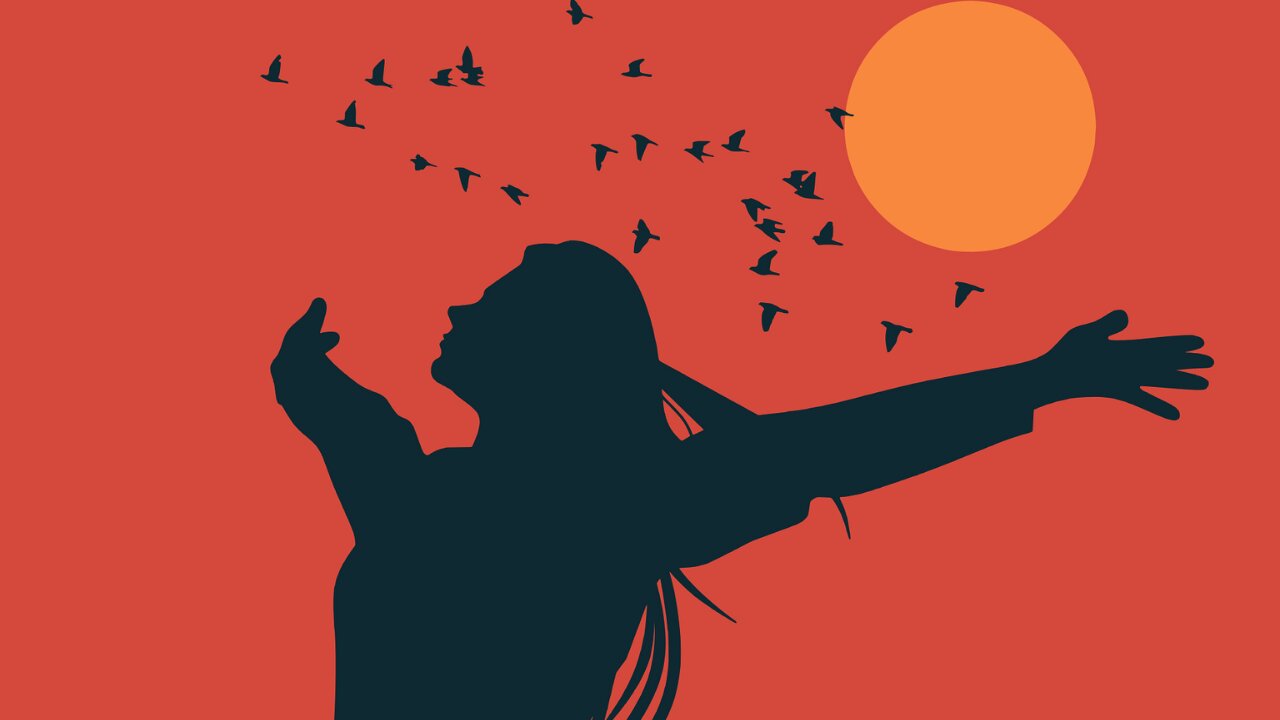
Does life ever feel wide open to you? Those moments when choices spread before you like a banquet, when your soul soars alongside clouds and birds. It is magic when it happens. But let us be honest about the other side too. Sometimes life feels impossibly stuck. Bound. Like heavy chains anchor you in place with nothing but darkness stretching ahead.
We have all been there. And here is what I have learned: freedom can seem like a fickle companion. One moment it wraps you in warmth. The next, it vanishes without warning. Much like happiness and love, freedom appears fleeting and unpredictable. But what happens when you decide to fully dedicate your life to freedom? What changes then?
The Turning Point: Committing to Freedom
At 23, I was absolutely intoxicated by the idea of living a life fueled by freedom. The concept alone captivated me completely. At that tender age, I made a vow to dedicate my life to creating, knowing, understanding, cultivating, and teaching freedom.
With this resolution came an unexpected discovery: everything I had believed to be true up to that point was not. According to research published in the American Psychological Association, our beliefs about autonomy and self-determination significantly impact our psychological well-being. This finding validated what I was beginning to understand through lived experience.
I embarked on a massive journey of unlearning everything I had been taught. I had to rediscover the world, life, and myself with fresh eyes. It was frightening, but absolutely necessary. Instead of frantically chasing goals and achievements like society demands, I learned to tune into feeling and being present.
I stopped caring about what other people expected of me (which is genuinely hard, is it not?) and started paying attention to what felt right for me. Instead of doing all the “right” things I was supposed to do to secure a good job, I chose to follow my curiosity, my heart, and my instinct.
Have you ever made a terrifying career pivot just to save your soul?
Drop a comment below and tell us about the moment you chose yourself over expectations.
I decided not to become a psychologist after all. I ended my studies after completing my undergraduate degree and embarked on an unconventional path working in the creative world of music festivals. Instead of fighting to be “right,” I surrendered into equanimity. I learned that there is no absolute right or wrong, no pure black or white. Everyone holds a piece of the puzzle from their unique perspective. The human experience is inherently limited from being all-knowing. When I recognized and accepted this truth, I felt instantly liberated.
Making Peace with the Mirror: Body Freedom
This was a significant breakthrough. Instead of cramming my mind with insecurities and trying to look like other people through rigorous exercise routines, self-loathing, and cycles of starving and binge-eating, I softened my view of myself.
Research from Harvard Health confirms that self-compassion, rather than harsh self-criticism, leads to better mental and physical health outcomes. This aligned perfectly with my experience.
I started walking every day and spending time in nature. I ate what I felt like when I felt hungry and celebrated food instead of fearing it. And here is what happened: instantly, I lost weight and relaxed into a healthy, natural weight and body shape. It was effortless once the stress dissolved.
Instead of buying all the shiniest, newest, most coveted objects, I developed a deep connection with the universe which left me feeling richer than anything I had ever owned. I sold everything I did not need and lived out of a suitcase. The liberation was profound.
Instead of chasing after romantic partners and seeking the perfect relationship, I grew into an intimate committed relationship with myself. I became unapologetically selfish in the way that following your intuition requires. I learned that satisfying and pleasing others is not my primary responsibility. Each of these choices was part of the untethering that set me free.
Finding this helpful?
Share this article with a friend who might need it right now.
Living Moment to Moment: Freedom as Practice
“Run from what’s comfortable. Forget safety. Live where you fear to live. Destroy your reputation. Be notorious.” These words from Rumi capture the essence of choosing freedom.
Choosing freedom is literally a moment to moment decision. It does not matter where you are or what you are doing. Freedom is, after all, a feeling. I always ask myself, even when I do not feel free: “What would make me feel freer than this, right now?”
I listen. And I do that. I nudge myself back to freedom. Little by little, choice by choice. Until freedom is breathing fresh air into my lungs, expanding my heart, breaking me open again and flooding me with love and relief. Choosing freedom feels like coming home.
Yet there is another discovery that accompanies the invitation of freedom: from this moment forward, life will be lived very differently. There is a cost for freedom. At times this cost may seem almost unbearable.
Yearning for freedom is easy. It fills an unquenchable thirst for adventure, discovery, self-expression, choice, abundance, joy, love, creativity, generosity, and expansion. But choosing freedom? That takes commitment, courage, strength, and unwavering trust.
Six Ways to Choose Freedom When You Feel Trapped
So how do we actually do this? How do we break the chains when everything feels heavy? Here is what I have learned on my journey.
1. Find Freedom in Ordinary Moments
Choosing freedom means seeing beauty, magic, and miracles in the mundane. It means experiencing freedom right here, right now, even when it feels hard and you would rather run away.
Choosing freedom is an art form. It means opening up and saying “yes” and “thank you” to life and lessons even when we feel most broken, most vulnerable, and most like turning our backs and closing our hearts. According to Psychology Today, this practice of present-moment awareness is linked to reduced anxiety and increased life satisfaction.
2. Believe Freedom Is Worth Persevering For
To choose freedom, you have to believe in it deeply. Freedom, contrary to popular belief, is not all open starry skies and limitless options. Sometimes it is trudging for miles, feeling outcast, alone, and separate from the world. It means seeing truth all around you, being unable to close your eyes and make it disappear, and still choosing freedom.
This belief becomes your anchor when storms arise. It reminds you why you started this journey and why giving up is not an option.
3. Have the Courage to Be Authentically You
To choose freedom, you must have the courage to say what you feel and be who you are, regardless of what others might think. It means allowing yourself to hurt sometimes and using that hurt to grow deeper into freedom.
Choosing freedom means you are willing to face yourself, be present with yourself, and understand that this is an individual journey you can only walk alone. Through this journey, you grow and change and learn what freedom really means for you specifically.
4. Listen to Your Inner Voice
Choosing freedom means listening to your intuition and knowing the difference between when she tells you to go and when she tells you to stay. It means not running because you are afraid and not staying because you are frozen by fears.
Through these phases of moving and staying still, change and transition, beginnings and endings, connection and disconnection, feeling free becomes your devoted companion.
5. Face Your Fears Directly
To choose freedom is to face your fears. Allow yourself to feel them, acknowledge them, and embrace them, even when it is the last thing you want to do. When you do this, fears dissolve in the face of your innate freedom.
Fears are, after all, simply false beliefs holding you back from feeling free. They have power only as long as you give them power through avoidance.
6. Master the Art of Letting Go
Choosing freedom means letting go. Letting go of what you believe. Letting go of expectations from others. Letting go of how you think your life should be. Letting go of fitting into a certain box. Letting go of stubbornness. Letting go of who you want to love you. Letting go of having things a certain way.
It means letting go, trusting, and allowing freedom to lead. This is perhaps the most challenging practice, but also the most liberating.
The Daily Practice of Freedom
Freedom is not a destination you arrive at and stay forever. It is a practice, a daily choice, a moment-by-moment decision. Some days it comes easily. Other days it requires every ounce of courage you possess.
Start small. Ask yourself each morning: “What is one thing I can let go of today?” Ask yourself throughout the day: “What would make me feel freer right now?” These simple questions become doorways to liberation.
Remember that freedom often looks different than we expect. Sometimes it means staying when you want to run. Sometimes it means speaking up when silence feels safer. Sometimes it means resting when productivity culture tells you to keep pushing.
Your version of freedom will be unique to you. Honor that. Trust yourself to know what liberation feels like in your body, in your heart, in your soul.
We Want to Hear From You!
What is one thing you are holding onto right now that keeps you from feeling free? Share your story in the comments below. Your experience might be exactly what another woman needs to read today.
Frequently Asked Questions
Why do I feel trapped even when I have choices?
Feeling trapped despite having options often stems from internal constraints rather than external ones. Fear of judgment, perfectionism, and deeply ingrained beliefs about what you “should” do can create invisible prisons. True freedom begins when you recognize that many limitations exist only in your mind.
Can you be free while in a committed relationship?
Absolutely. Freedom in relationships comes from choosing to be there rather than feeling obligated. Healthy partnerships allow both individuals to maintain their sense of self while growing together. The key is ensuring the relationship supports your authentic expression rather than suppressing it.
How do I know if I am running toward freedom or away from responsibility?
Check your motivation. Running from fear feels contracted and urgent. Moving toward freedom feels expansive, even when scary. Ask yourself: “Am I moving toward something that aligns with my values, or simply escaping discomfort?” True freedom includes the courage to face difficult things.
What if choosing freedom disappoints the people I love?
Some disappointment may be inevitable when you stop living according to others’ expectations. However, people who truly love you will ultimately respect your authenticity. Living inauthentically to keep others comfortable eventually harms both you and your relationships.
How long does it take to feel free?
Freedom is not a final destination but an ongoing practice. You may experience moments of profound liberation immediately, while other aspects take years to untangle. Be patient with yourself. Each small choice toward freedom builds upon the last.
Is wanting freedom selfish?
Choosing freedom is not selfish in the negative sense. When you liberate yourself, you become more present, loving, and generous with others. You cannot pour from an empty cup. Taking care of your freedom enables you to show up more fully for everyone in your life.