Burnout as a Spiritual Awakening: Reconnecting with Yourself When You Have Nothing Left to Give
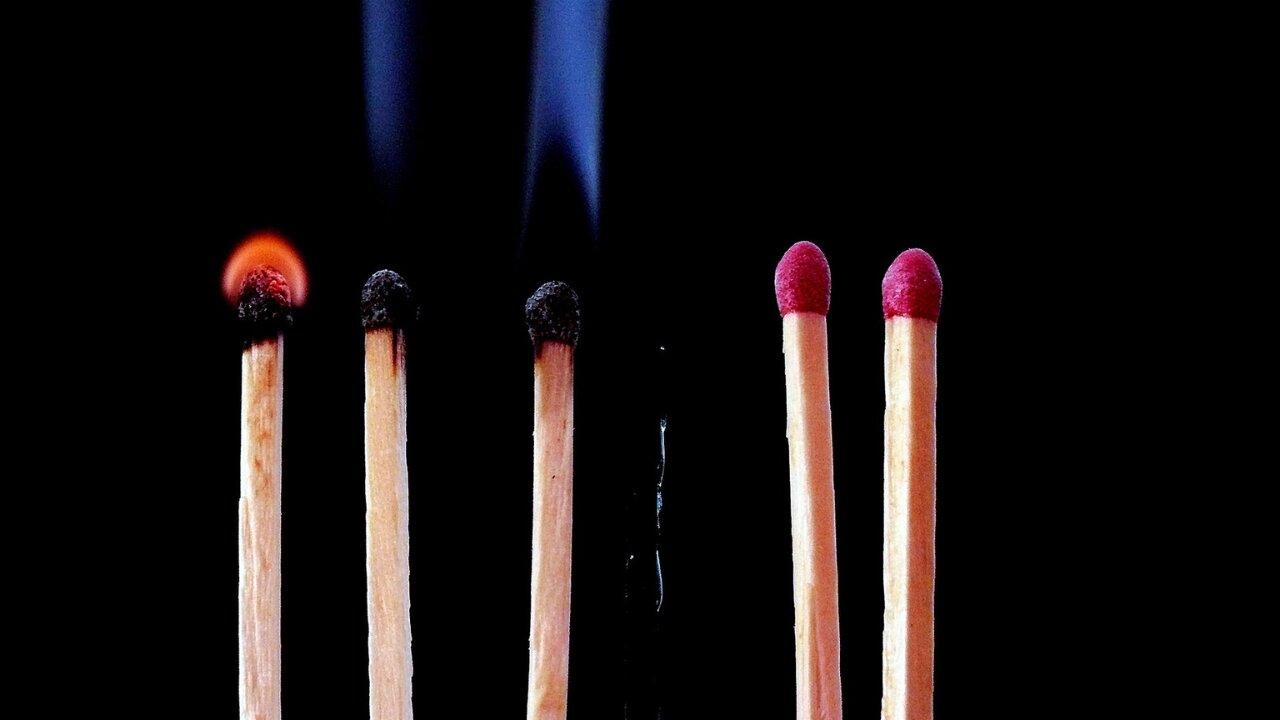
The Moment Your Soul Pulls the Emergency Brake
There is a kind of exhaustion that no amount of sleep can touch. It lives deeper than your muscles, deeper than your mind. It sits somewhere in your spirit, in that quiet space where your truest self has been whispering for months (maybe years) that something needs to change. If you are feeling this right now, I want you to know something: what you are experiencing is not just physical or mental breakdown. It is a spiritual reckoning.
We talk about burnout in clinical terms, and those terms matter. The World Health Organization defines it as chronic workplace stress that has gone unmanaged, marked by exhaustion, detachment, and a feeling that nothing you do matters. But from a spiritual perspective, burnout is something else entirely. It is what happens when you spend so long pouring yourself out for others, for obligations, for a version of “success” that was never truly yours, that you lose contact with the person you actually are.
Burnout is your soul pulling the emergency brake. And while it feels like everything is falling apart, there is another way to see it: everything is finally falling into place. Because this collapse? It is also an invitation. An invitation to come home to yourself.
Why Burnout Is a Crisis of Self-Abandonment
Here is what I have come to believe after years of watching brilliant, loving, endlessly capable women crash into this wall: burnout is not really about doing too much. It is about losing yourself in the doing.
Think about it. When was the last time you checked in with yourself before saying yes to something? When did you last ask, “Does this align with who I am and what I actually need?” If you are like most women I know, you cannot remember. Because somewhere along the way, you stopped asking. You started operating on autopilot, running on obligation and other people’s expectations instead of your own inner knowing.
This is what I mean by self-abandonment. It is not dramatic or obvious. It is quiet. It is choosing everyone else’s comfort over your own peace, every single day, until you forget that your peace was ever part of the equation.
Research from Dr. Kristin Neff’s self-compassion research confirms what many spiritual traditions have taught for centuries: the way we relate to ourselves determines how we weather suffering. Women who practice self-compassion recover faster from emotional exhaustion, experience less anxiety, and report a stronger sense of meaning in life. Self-love is not a luxury. It is the foundation everything else is built on.
So if burnout is a crisis of self-abandonment, then recovery must begin with a radical act of self-return.
When did you first realize you had been putting everyone else’s needs before your own for too long?
Drop a comment below and let us know what that moment of clarity looked like for you. Your story might be the mirror someone else needs right now.
Coming Home: The Spiritual Work of Stillness
When you are burned out, the world will tell you to “take a break” or “practice self-care.” And those things are important. But if all you do is rest your body without tending to your spirit, you will eventually refill the tank and drive right back into the same wall.
True recovery asks something deeper of you. It asks you to get still. Really still. Not the kind of still where you scroll your phone on the couch and call it relaxation. The kind of still where you sit with yourself and listen to what is actually there.
This is where many women get uncomfortable, because what comes up in the stillness is often grief. Grief for the years you spent running. Grief for the version of yourself you left behind. Grief for the life you thought you were supposed to want. Let it come. That grief is not your enemy. It is your spirit clearing the debris so something more authentic can grow.
Mindfulness and meditation are not just trendy wellness buzzwords. A study published in Clinical Psychology Review found that mindfulness-based interventions significantly reduce emotional exhaustion and improve psychological well-being. But beyond the science, there is something almost sacred about the practice of sitting quietly and saying to yourself, “I am here. I am listening. What do I need?”
You do not need a perfect meditation practice. You do not need crystals or incense or a special cushion (though if those things bring you joy, by all means). You just need five minutes of honest presence with yourself. Start there. Start with the willingness to hear your own voice again.
If you have been exploring what it means to practice self-love as a daily commitment, this is where that practice becomes less of a concept and more of a lifeline.
Releasing the Identity That Burned You Out
Here is where things get spiritually uncomfortable, in the best way possible.
One of the deepest roots of burnout is attachment to identity. The identity of the woman who can handle anything. The one who never needs help. The strong one, the reliable one, the one who shows up no matter what. That identity kept you going for a long time. It also nearly broke you.
Recovery asks you to gently set that identity down. Not because strength and reliability are bad things, but because when they become the only things you are allowed to be, they become a cage.
This is spiritual work. It is the work of asking, “Who am I when I am not performing? Who am I when I am not useful to anyone? Who am I when I am just… being?” Those questions can feel terrifying. They can also feel like the most liberating thing you have ever asked yourself.
You are not your productivity. You are not your to-do list. You are not the sum of what you give to others. You are a whole, worthy, sacred being who exists beyond what she does. And the sooner you let that truth settle into your bones, the sooner you will stop building a life that requires you to earn your own rest.
Finding this helpful?
Share this article with a friend who might need it right now.
Rebuilding with Intention, Not Obligation
Once you have created some space through stillness and self-compassion, the next step is rebuilding. But this time, you rebuild differently. You rebuild from the inside out, with intention rather than obligation as your guide.
Let your intuition lead
Before you say yes to anything, pause. Put your hand on your chest if it helps. Ask yourself: does this feel expansive or contracting? Your body knows the answer before your mind does. Start trusting that knowing. Your intuition is not random. It is the accumulated wisdom of everything you have lived through, and it has been trying to guide you this whole time.
Create sacred boundaries
Boundaries are not walls. They are acts of self-love. Every time you say “no” to something that depletes you, you are saying “yes” to your own wholeness. You do not need to justify your boundaries to anyone. “That does not work for me” is a complete sentence. Learning to quiet the negative self-talk that tells you boundaries are selfish is part of this sacred work.
Reconnect with what makes you feel alive
Burnout strips the color from your world. Recovery means gently reintroducing the things that light you up. Not because they are productive or useful, but because they make your spirit sing. Maybe it is painting, or walking barefoot in the grass, or journaling by candlelight. Whatever it is, give yourself permission to do it without needing a reason.
Practice energy awareness
Start paying attention to how different people, places, and activities affect your energy. Some things fill you up. Some things drain you. This is not metaphor. It is information. Use it. Arrange your life around what sustains you, and gently reduce what does not.
Anchor yourself in a daily spiritual practice
This does not have to look a certain way. It could be morning meditation, evening gratitude, prayer, breathwork, or simply sitting in silence with a cup of tea. What matters is that you create a daily touchpoint with your inner self. A moment where you check in and ask, “How am I, really?” Rediscovering your sense of passion and purpose often starts in these quiet, honest moments with yourself.
Trust the Unfolding
Burnout recovery is not linear, and the spiritual dimension of it makes that especially true. There will be days when you feel profoundly connected to yourself, and days when the old patterns pull hard. You will catch yourself overcommitting. You will slip back into people-pleasing. You will forget to rest. That is not failure. That is being human.
What matters is that you keep returning. Keep coming back to stillness. Keep choosing yourself. Keep listening to the quiet voice inside that brought you here in the first place.
Because here is what I truly believe: burnout, as devastating as it is, can become one of the most transformative experiences of your life. It can be the thing that finally forces you to stop living on the surface and go deep. To stop performing and start being. To stop abandoning yourself and start coming home.
You did not break. You woke up. And the woman who emerges from this, the one who knows her worth, who trusts her intuition, who refuses to sacrifice her peace for anyone else’s comfort, she is someone worth becoming.
Trust the unfolding. You are already on your way.
We Want to Hear From You!
Tell us in the comments which part of this resonated most with your spirit. What spiritual practice has helped you find your way back to yourself? Your experience could be the light someone else needs today.
Read This From Other Perspectives
Explore this topic through different lenses