When I Lost Myself in Bed, the Real Intimacy Crisis Had Already Begun
The Collapse Nobody Talks About
When my marriage was falling apart, people assumed the intimacy died in the bedroom first. They pictured cold shoulders under shared sheets, two bodies turning away from each other in the dark. And yes, that happened. But honestly? That was just the visible symptom of something much deeper.
The real collapse started long before I stopped wanting to be touched.
It started the moment I stopped feeling like I deserved to experience pleasure at all. Not just sexual pleasure, but the kind of full-body, soul-level intimacy that comes from actually being present in your own skin. I had disconnected from my body so completely that sex became another task on the list, somewhere between packing school lunches and pretending I was fine.
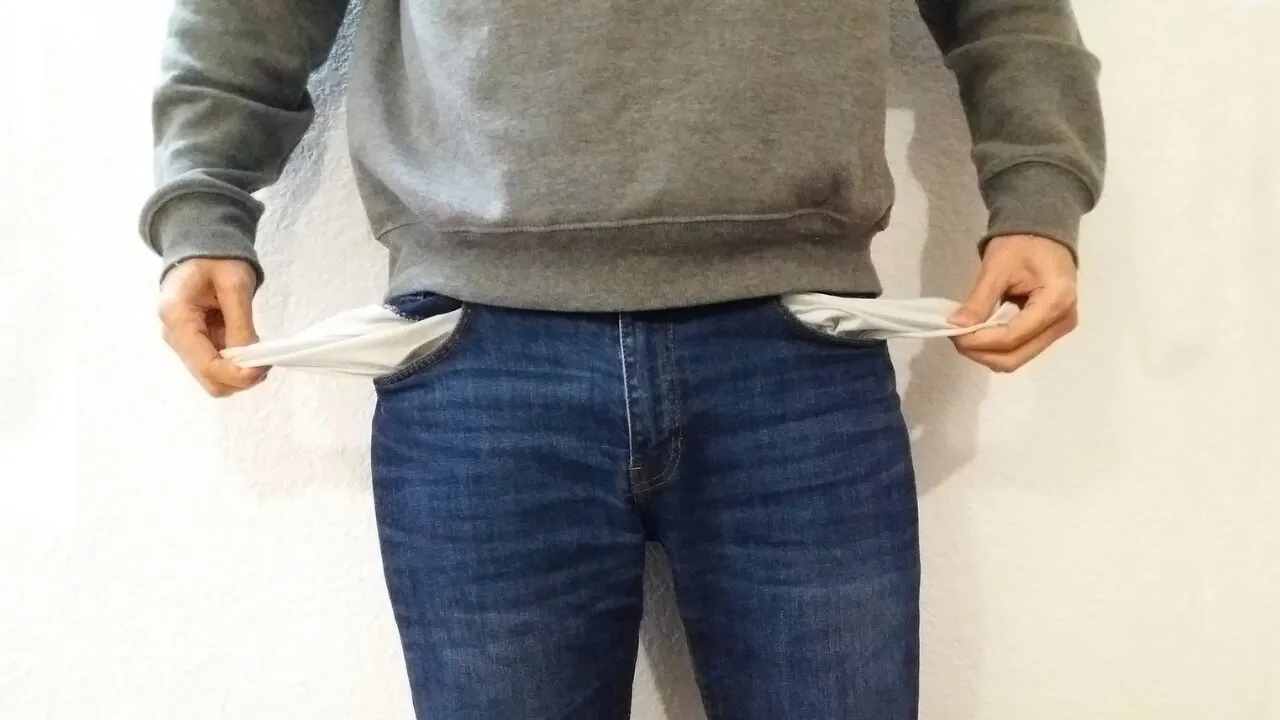
And that disconnection, that quiet severing of myself from my own desire, was the real rock bottom. Not the empty bank account. Not the divorce papers. The moment I looked in the mirror and could not remember the last time I had felt genuinely alive in my own body.
Have you ever felt completely disconnected from your own body and desires, even while in a relationship?
Drop a comment below and let us know. You are not alone in this, and your honesty might help someone else feel seen.
How Intimacy Becomes Performance
Here is something I wish someone had told me years ago: when you spend your life performing a role (the perfect wife, the selfless mother, the woman who has it all together), that performance seeps into every corner of your existence. Including, and maybe especially, your intimate life.
I was performing in the bedroom the same way I was performing everywhere else. Faking enthusiasm. Prioritizing his experience over mine. Treating my own pleasure as optional, or worse, as something selfish. I had internalized the idea that good women give and give and give, and that wanting something for myself made me greedy or difficult.
Research published in the Journal of Sexual Medicine has shown that women who suppress their own sexual needs to prioritize a partner’s satisfaction report significantly lower desire and arousal over time. It is not just an emotional pattern. It physically rewires your relationship with pleasure.
I was not losing interest in sex. I was losing interest in myself.
And the cruelest part? I blamed myself for that, too. I told myself I was broken. That something was wrong with me for not wanting the life I was supposed to want. The abusive thought patterns that had already taken root in my mind (the ones telling me I had failed at everything) extended their reach into the most vulnerable parts of my identity. My sexuality. My desire. My sense of myself as a woman who was allowed to want things.
The Body Keeps the Score (Especially in Intimacy)
When I talk about hitting rock bottom, I am not speaking in metaphor. There was a physical weight to it. My body carried the tension of years of self-abandonment in my shoulders, my jaw, my hips. I could not relax into intimacy because I could not relax at all. My nervous system was stuck in survival mode, and survival mode does not leave room for vulnerability.
According to the American Psychological Association, chronic stress activates the body’s fight-or-flight response, which directly suppresses sexual arousal and desire. Your body is not confused when it shuts down sexually during difficult times. It is protecting you. The problem is when that shutdown becomes your baseline, when you forget what it felt like to exist in your body without bracing for impact.
For me, the shutdown was gradual. It started with small things. Not noticing when I was hungry. Ignoring when I was tired. Pushing through discomfort instead of honoring it. Over time, those small disconnections built into a complete separation from my physical self. And when you are that disconnected from your own body, genuine intimacy (the kind that requires you to actually be present, to feel, to receive) becomes nearly impossible.
I was going through the motions of a sexual life while being completely absent from it. And that absence, I now understand, was not a failure of desire. It was a symptom of a woman who had stopped inhabiting her own life.
Finding this helpful?
Share this article with a friend who might need it right now.
What Nobody Tells You About Desire After You Lose Yourself
There is a conversation happening in wellness spaces about “reclaiming your sexuality,” and while I love the intention behind it, I think it sometimes misses something important. You cannot reclaim what you never fully owned in the first place.
Growing up Latina, with deeply traditional expectations about womanhood and domesticity, my sexuality was never really mine to begin with. It was shaped by what men wanted, what the culture permitted, what the church condoned. My desires were filtered through so many layers of external expectation that by the time I was a married woman in my late twenties, I genuinely did not know what I wanted in bed. I knew what I was supposed to want. I knew what a “good wife” did. But my own authentic desires? Those had been buried so deep I was not sure they existed.
So when the marriage ended and I found myself alone for the first time in years, the question was not “how do I get my sex life back?” The question was much scarier: “Did I ever have one that was truly mine?”
That question cracked something open in me. Because I realized that my identity beyond motherhood, beyond wifehood, beyond every role I had been assigned, included a sexual self I had never been given permission to explore. And now, in the rubble of my old life, I had the terrifying and exhilarating freedom to actually meet her.
Rebuilding Intimacy From the Inside Out
My journey back to intimacy did not start with another person. It started with me, alone, in the smallest possible ways.
It started with baths instead of rushed showers. With noticing the texture of fabric against my skin. With allowing myself to feel hungry, really hungry, before eating. These sound like small things, and they are. But for a woman who had spent years numbing herself, each small act of physical presence was revolutionary.
I started paying attention to what my body actually responded to, not what I thought it should respond to. I let go of the mental checklist of what “normal” desire was supposed to look like (spontaneous, effortless, always available) and let myself discover my own rhythm. Some days that looked like journaling about what I found attractive. Some days it looked like reading erotica without guilt for the first time in my life. Some days it was simply lying still and breathing and feeling my own heartbeat without trying to be anywhere else.
The Harvard Health Blog notes that reconnecting with your body through mindful awareness can significantly improve sexual satisfaction and desire, particularly for women who have experienced emotional disconnection. This was exactly my experience. The more I practiced being in my body outside of sexual contexts, the more available I became for genuine intimacy within them.
The real breakthrough was understanding that intimacy is not something you perform. It is something you allow.
And allowing requires safety. It requires trust in yourself. It requires the belief, however fragile, that your pleasure matters. That your body is not just a vehicle for other people’s needs but a home you deserve to live fully inside.
The Beauty of Breaking Open
When my old life fell apart, I grieved hard. But something unexpected happened in that grief. With the scaffolding of my old identity stripped away (the wife, the good girl, the woman who never asked for too much), there was suddenly space. Space to ask myself what I actually wanted. Space to explore desire without performing it for someone else’s approval.
I will not romanticize it. There were nights of loneliness so thick I could barely breathe. There were moments of shame so intense I wanted to crawl out of my own skin. But there were also mornings where I woke up and, for the first time in years, felt my body as something that belonged to me. Not as a tool, not as a service, not as something to be evaluated. Just mine.
That reclamation did not happen overnight, and it did not happen in a straight line. But it started the moment I stopped treating my sexuality as evidence of my worth (or lack of it) and started treating it as a birthright. As fundamental to who I am as breathing. As something that deserved exploration, curiosity, and tenderness rather than judgment.
Picking up the broken pieces of my life allowed me to break through the mental blocks that had confined my sense of self for so long. I was no longer bound to someone else’s definition of what my body was for. Now I had the chance to discover that for myself.
What I Want You to Know
If you are reading this and something resonates, if you recognize yourself in the performance, in the disconnection, in the quiet loss of desire that you have been blaming yourself for, I want you to hear this clearly: you are not broken.
Your body is not betraying you. It is waiting for you. It has been waiting for you to come home to it, to stop apologizing for its needs, to stop treating your pleasure as a luxury you have not earned.
The road back to yourself (and to the kind of intimacy that actually nourishes you) is not paved by anyone else’s expectations. There is no checklist. No performance review. No standard you need to meet. You just need to begin. One breath, one moment of presence, one honest conversation with yourself at a time.
The fall was never the problem, love. The problem was believing you did not deserve to feel whole in the first place. And the most intimate act you will ever commit is choosing, again and again, to inhabit your own body with tenderness instead of judgment.
That is where real intimacy begins. Not with someone else. With you.
We Want to Hear From You!
Tell us in the comments which part of this resonated most with you. Your story could be the one that helps another woman feel less alone.
Read This From Other Perspectives
Explore this topic through different lenses