Why the Uncomfortable Stages of Love Are Exactly Where You Need to Be
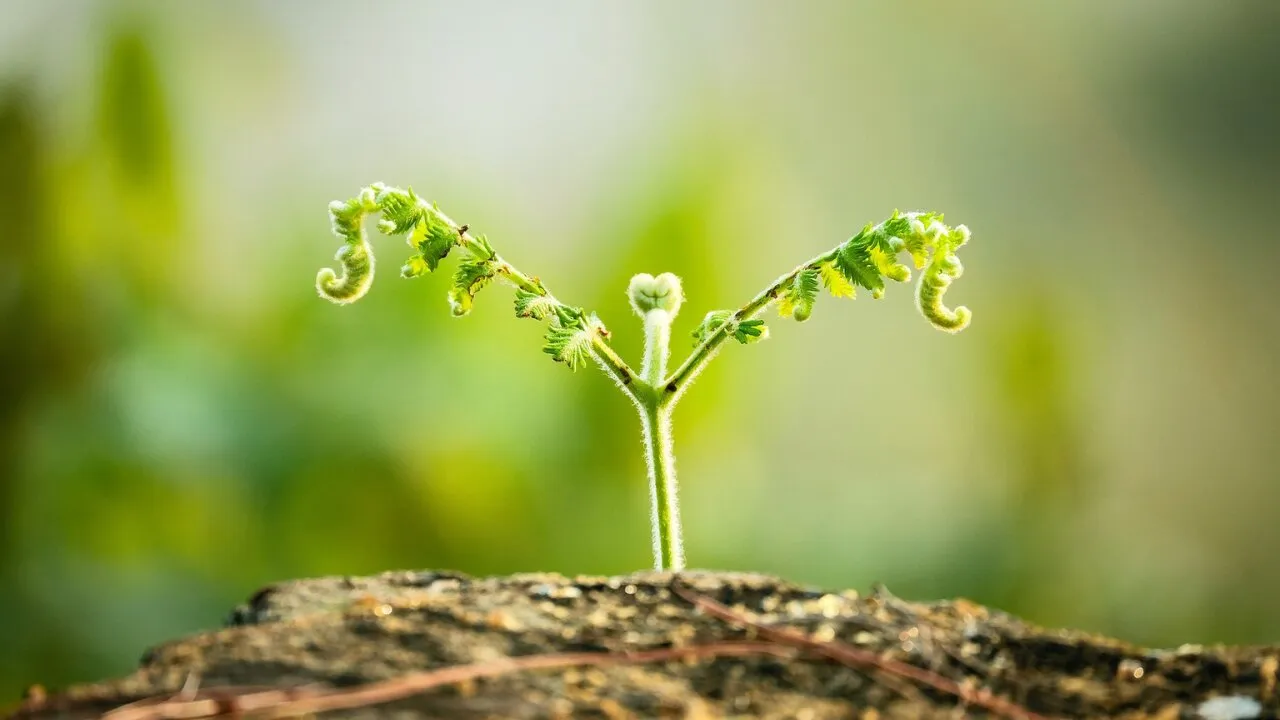
Feel: Reassured.
Know: The discomfort you feel in a growing relationship is not a red flag. It is the signal that you are building something real.
Do: Stop running from the hard conversations. Lean into the tension, name what you feel, and let your relationship grow through it.
If you have ever been in a relationship that started out electric and then hit a wall of doubt, confusion, or straight-up discomfort, I need you to hear something. That wall is not a sign you picked the wrong person. It is not proof that love should not be this hard. And it is absolutely not your cue to run.
That wall? It is the most important part of your love story. And I want to tell you why.
The Honeymoon Phase Is Not the Whole Story
We all know the feeling. The butterflies. The constant texting. The way everything about this person seems to sparkle. You are on your best behavior, they are on theirs, and life feels like one long highlight reel. Research from the Harvard Health Blog confirms that the early stages of romantic love trigger a rush of dopamine and norepinephrine, the same chemicals associated with excitement and reward.
But here is the thing nobody tells you at the start: that chemical cocktail is temporary. It was never designed to last forever. It was designed to get you through the door.
So what happens when the newness fades? When you have your first real disagreement, or you see a side of your partner (or yourself) that is not so sparkly? When the excitement of “getting to know each other” shifts into the quieter, heavier work of actually being known?
For a lot of women, this is where the panic sets in. The thoughts start creeping in: “Maybe we are not compatible. Maybe I made a mistake. Maybe love is not supposed to feel like this.”
I have been there. And after years of coaching women through their relationships, and navigating my own, I can tell you with absolute certainty: those thoughts are not the truth. They are just the view from the wall.
Have you ever hit a wall in a relationship and mistaken discomfort for a dealbreaker?
Drop a comment below and let us know what that moment looked like for you.
Discomfort Is Not a Red Flag. It Is the Relationship Growing.
I used to be a competitive martial artist. I trained for years, competed around the world, and learned something during those grueling late-night sessions that changed the way I approach everything, especially love.
In training, there is always a point where the excitement disappears. You have learned the new techniques, your coach is no longer standing beside you, and now it is just you in the dark, repeating the same drills while everyone else is out having fun. It feels pointless. It feels painful. And every fiber of your being wants to quit.
But that stage, the boring, uncomfortable, “why am I even doing this” stage, is where champions are made. Not at the tournament. Not in the flashy moments. In the grind.
Relationships work the exact same way.
The discomfort you feel when you and your partner start having real conversations about needs, boundaries, finances, or the future is not a sign that your relationship is broken. It is a sign that your relationship is deepening. According to The Gottman Institute, the couples who last are not the ones who avoid conflict. They are the ones who learn to navigate it with respect, curiosity, and repair.
The discomfort is the curriculum. And you cannot skip it and still graduate.
The Five Stages of Relationship Growth (Yes, Stage Four Is the Hard One)
If there were stepping stones in every meaningful relationship, they would look something like this:
Stage One: Get Clear on What You Want
This is where you set your intentions. You know the kind of partnership you desire. You have done the inner work of understanding your self-worth, your values, and what you will and will not accept. You feel ready.
Stage Two: Let Go of Past Fears and Open Up
You meet someone, or you recommit to the partner you are with. You choose vulnerability. You let them see you. It is thrilling and terrifying in equal measure, and it feels like the beginning of something beautiful.
Stage Three: Take Action on Love
You are showing up. Having dates, building routines together, meeting each other’s people, sharing dreams. The relationship has momentum and it feels good.
Stage Four: Feel the Discomfort
And then it hits. The first real conflict. The moment your attachment wounds get triggered. The realization that this person is not perfect, and neither are you. The creeping doubts: “Maybe I should just be alone. Maybe this is not right. Maybe love should not require this much effort.”
This is the wall. And this is where most people bail. They swipe on someone new. They shut down emotionally. They tell themselves this relationship “just was not meant to be” because it got hard.
But here is what I need you to understand: Stage Four is not where love dies. It is where love actually begins.
Stage Five: Move Through It Together
You name the discomfort. You communicate. You choose each other anyway, not blindly, but consciously. And on the other side of that wall is a depth of connection, trust, and intimacy that the honeymoon phase could never give you.
Finding this helpful?
Share this article with a friend who might need it right now.
How to Move Through Relationship Discomfort (Without Losing Yourself)
Knowing that discomfort is normal is one thing. Actually navigating it? That takes practice. Here is the framework I use with every woman I coach, and in my own love life.
Feel It and Name It
When the discomfort shows up, do not shove it down or immediately project it onto your partner. Pause. Get honest with yourself: “I feel scared right now. I feel unseen. I feel like pulling away because this is getting real.”
Naming your emotions is not weakness. A study published in the American Psychological Association found that emotional labeling (putting feelings into words) actually reduces the intensity of those feelings. It moves you from reactive to responsive. And responsive is where good love lives.
Know It Is Part of the Process
Remind yourself: “This discomfort does not mean we are wrong for each other. It means we are growing.” The wall is not a dead end. It is a doorway. Every couple who builds a lasting, fulfilling partnership passes through this stage. The ones who make it are simply the ones who refuse to let temporary discomfort define their long-term vision.
Communicate Before You Catastrophize
The moment your brain starts writing the “this is not going to work” story, that is your cue to talk to your partner, not about them, but about what you are experiencing. Try something like: “I have been feeling disconnected lately and I want to talk about it because this relationship matters to me.”
That one sentence, vulnerable, honest, and forward-looking, can change everything. It invites your partner into the process instead of shutting them out. And more often than not, they are feeling something similar and just did not know how to say it.
Take Action on What You Can Control
You cannot control your partner’s behavior, their past, or their pace of growth. But you can control how you show up. You can choose to be kind even when you are frustrated. You can set boundaries without building walls. You can invest in the relationship by planning a date night, initiating a real conversation, or simply being present instead of scrolling on your phone.
Do what is within your power, then release the rest. That is not giving up. That is trusting the process.
The Resistance You Feel Is Proportional to the Love You Are Building
Here is the part that changed everything for me, both in competition and in love.
The more resistance you feel, the more potential for depth and connection sits on the other side.
Think about it. The relationships that require nothing of you, that never challenge you, never ask you to grow, those are the ones that stay shallow. They are comfortable, sure. But comfortable and fulfilled are not the same thing.
The relationship that triggers your abandonment fears, that forces you to communicate when you would rather shut down, that asks you to be truly seen when every instinct says to hide, that is the relationship with the most potential. Not because pain equals love (it does not), but because growth requires friction. And real intimacy only exists on the other side of vulnerability.
A woman who can sit with the discomfort of a growing relationship, who can name her fears without being consumed by them, who can choose love even when it is not easy, that woman is building something extraordinary. Not just a relationship, but a version of herself that is braver, more open, and more deeply connected than she ever thought possible.
Stop Waiting for Love to Feel Easy. Let It Feel Real.
I am not saying you should stay in a relationship that is genuinely harmful or one-sided. Boundaries matter. Red flags are real. But I am saying that discomfort alone is not a reason to leave. If anything, it might be the best reason to stay, to lean in, to grow.
So the next time you hit that wall in your relationship, the one where everything feels hard and your brain is screaming at you to run, try this instead:
Feel it. “I feel scared and uncomfortable right now.”
Know it. “And that is OK. This is Stage Four. I am right on track.”
Do it. “I am going to lean in, communicate, and let this relationship grow. Because what is on the other side of this wall is worth every uncomfortable moment it takes to get there.”
The couples who build the deepest love are not the ones who never struggled. They are the ones who chose each other in the struggle, over and over again. And that, my friend, is where the magic really lives.
We Want to Hear From You!
Tell us in the comments which tip resonated most with you.
Read This From Other Perspectives
Explore this topic through different lenses