Why Putting Yourself First Actually Makes You a Better Partner
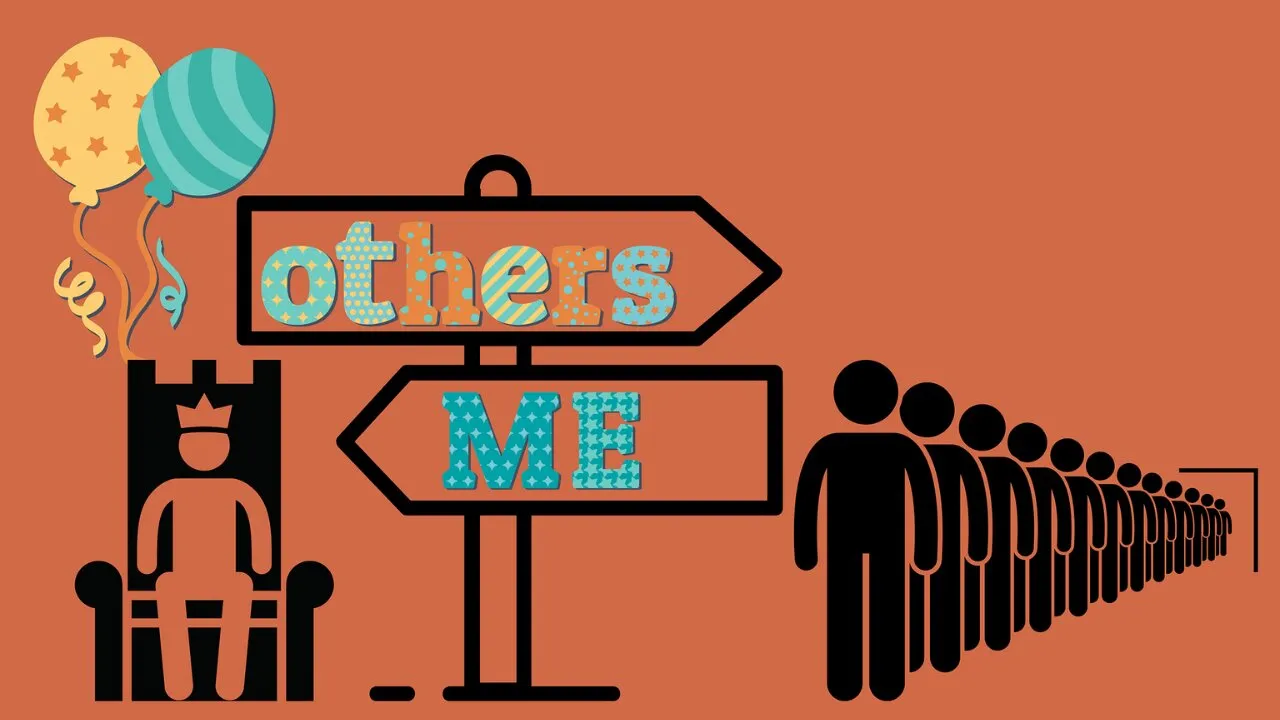
Something shifts in a relationship when you stop asking for what you need. It does not happen overnight. It starts small. You skip your evening walk because your partner wants company on the couch. You stop mentioning that comment from last week that still stings because you do not want to start a fight. You cancel plans with friends because it is easier than negotiating the look you will get when you grab your keys.
And then one morning, you wake up next to someone you love and realize you have no idea what you actually want anymore. Not from them. Not from the relationship. Not from yourself.
This is what happens when you confuse love with self-erasure. And it is far more common than most of us want to admit.
The idea that putting yourself first is somehow a betrayal of your partner is one of the most destructive myths in modern relationships. It sounds noble on the surface. But underneath it, relationships built on self-sacrifice are quietly falling apart every single day.
How Self-Neglect Slowly Poisons Your Relationship
Here is the pattern. You love someone. You want them to be happy. So you accommodate. You adjust. You shrink. At first, it feels generous. It feels like what love is supposed to look like.
But over time, that generosity curdles into something else entirely. Resentment. The kind that does not announce itself but leaks out sideways: in the sharpness of your tone over dishes, in the way you keep score without admitting it, in the quiet distance that grows between you even when you are sitting in the same room.
Research from the Gottman Institute has consistently shown that contempt, not conflict, is the number one predictor of relationship failure. And contempt often grows in the soil of unspoken needs and chronic self-neglect. When you repeatedly swallow what you want for the sake of keeping the peace, you are not building a stronger relationship. You are building a pressure cooker.
Your partner does not get the real you. They get the version of you that is exhausted from performing, the version that says “I’m fine” when you are anything but, the version that has quietly stopped expecting anything because expecting feels too risky.
That is not intimacy. That is survival.
Have you ever lost yourself in a relationship while trying to be the “perfect” partner?
Drop a comment below and tell us what that looked like for you.
The Partner Who Prioritizes Themselves Is Not Selfish. They Are Safe.
There is a crucial distinction that most relationship advice glosses over. There is a difference between a partner who is self-centered and a partner who is self-aware. A self-centered partner takes without considering you. A self-aware partner takes care of themselves so they can actually show up for you.
Think about the best relationship you have ever witnessed. The couple that genuinely seems to like each other after years together. Chances are, both people in that relationship have lives, interests, and identities outside of the partnership. They have not merged into one amorphous unit. They have remained two whole people who choose each other every day.
That is what healthy self-prioritization looks like in a relationship. It is not “I matter more than you.” It is “I matter too, and that makes us stronger.”
According to research published in the Personality and Social Psychology Bulletin, individuals who maintain a strong sense of self within their romantic relationships report higher relationship satisfaction and greater emotional resilience during conflict. In other words, the less you lose yourself, the better your relationship actually gets.
What This Looks Like in Practice
Putting yourself first in a relationship is not about power plays or keeping score. It looks like this:
It is saying, “I need an hour to decompress before we talk about this” instead of forcing a conversation when you are already at your limit. It is keeping your Thursday night plans with friends even when your partner would prefer you stay home. It is being honest when something hurts instead of swallowing it for the hundredth time.
It is also the harder stuff. It is telling someone you love that you are unhappy with how things are going. It is admitting that you have been over-functioning in the relationship and you need that to change. It is choosing your own well-being even when it makes someone uncomfortable, because you know that your discomfort has been subsidizing their comfort for too long.
Learning to understand the different dimensions of self-love can help you see where you have been giving too much and receiving too little in your relationship.
Boundaries Are Not Walls. They Are Invitations.
One of the most misunderstood concepts in relationships is boundaries. People hear the word and picture distance, coldness, a partner who is pulling away. But boundaries in a relationship are actually the opposite of withdrawal. They are a form of honesty.
When you tell your partner what you need, what you will not tolerate, and where your limits are, you are giving them a roadmap to loving you well. Without that information, they are guessing. And most of the time, they are guessing wrong.
The American Psychological Association identifies clear communication of needs and boundaries as a cornerstone of healthy romantic relationships. Couples who can articulate their individual needs without guilt or defensiveness consistently show stronger long-term outcomes.
So no, setting a boundary is not selfish. It is the most generous thing you can do for your partner, because it lets them love the real you instead of the version you have been performing.
Finding this helpful?
Share this article with a friend who might need it right now.
What Happens to Your Relationship When You Start Choosing Yourself
Here is what nobody tells you about prioritizing yourself in a relationship: the right partner will not just accept it. They will be relieved by it.
A partner who loves you does not want a martyr. They want a person. They want someone with opinions and desires and the occasional hard no. They want to know that when you say yes, you actually mean it, not that you are just going along to avoid conflict.
When you start putting yourself first, a few things happen. Your resentment drops because you are no longer keeping a mental ledger of everything you have sacrificed. Your communication improves because you are being honest instead of performing. Your intimacy deepens because you are showing up as a whole person, not a hollowed-out version of one.
And yes, some relationships will not survive this shift. If your partner has grown comfortable with your self-neglect, your boundaries will feel threatening. If the relationship was built on an unequal dynamic where your needs were always secondary, choosing yourself will expose that imbalance. This is not a failure. This is information.
Understanding how to recognize when a relationship has become unhealthy is part of this process. Sometimes putting yourself first means being brave enough to see clearly.
If They Cannot Handle Your Boundaries, That Is the Answer
A partner who reacts to your boundaries with guilt trips, anger, or withdrawal is telling you something important. They are telling you that the relationship only works when you are the one bending. That is not partnership. That is a transaction where you are always paying.
The right person will not punish you for having needs. They will meet you there. They will ask questions. They will adjust. Not perfectly, not without stumbling, but with genuine willingness.
Starting Today, Not Someday
You do not need to overhaul your entire relationship overnight. Start with one thing. One honest conversation. One need you have been sitting on. One boundary you have been afraid to set.
Notice the guilt when it shows up, because it will. That guilt is not evidence that you are doing something wrong. It is the echo of every message you have absorbed about what a “good” partner looks like. A good partner sacrifices. A good partner accommodates. A good partner puts their own needs last.
But a good partner who has nothing left is not a good partner. They are a ghost in their own relationship.
Having friends who support your growth outside of your romantic relationship is one of the most powerful things you can do for both yourself and your partnership. You need people who remind you who you are when you start forgetting.
The most loving thing you can do in your relationship is not to give until you are empty. It is to stay full enough that what you give actually means something. Your partner deserves the real you. And the real you deserves to exist, fully and unapologetically, inside this relationship and outside of it.
Choose yourself. Not instead of your partner. But alongside them. That is what love actually looks like.
We Want to Hear From You!
What is one boundary you have set (or want to set) in your relationship? Tell us in the comments below.
Read This From Other Perspectives
Explore this topic through different lenses