When Trauma and Anxiety Follow You Into Every Relationship
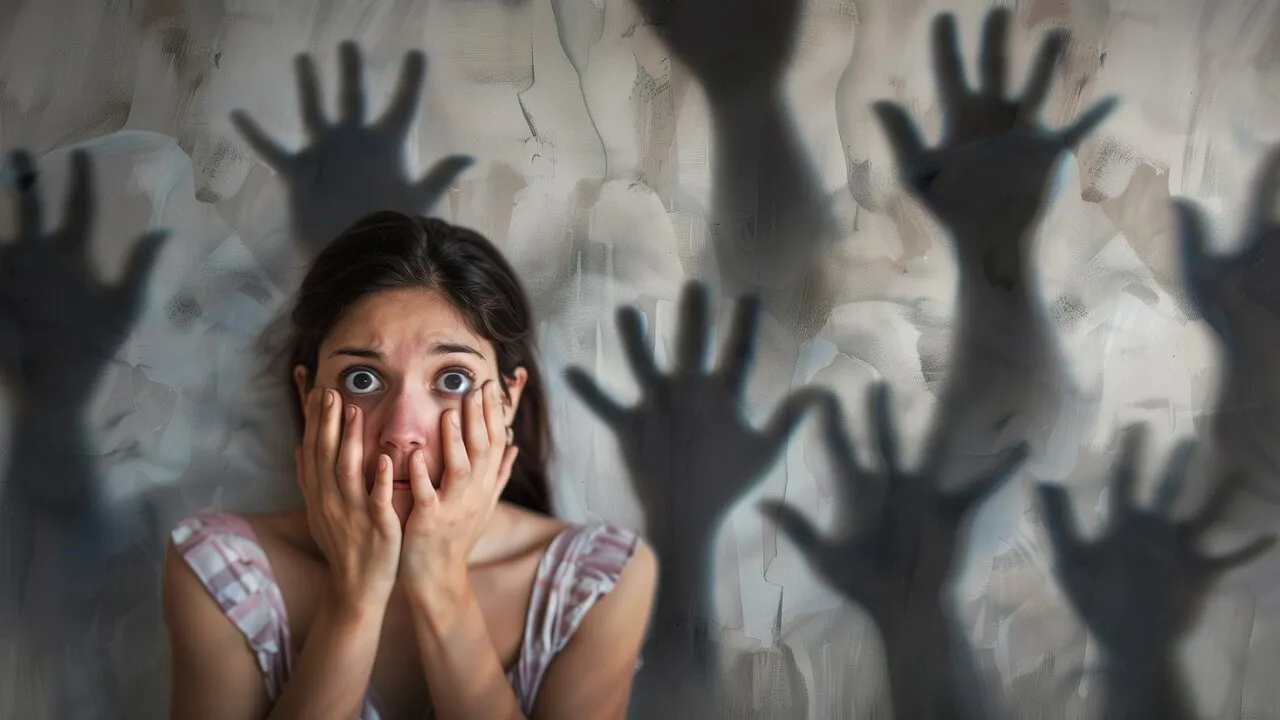
You meet someone new. They are kind, attentive, present. Everything about them says “safe.” And yet, somewhere deep inside your chest, a familiar tightness begins to coil.
What if they leave? What if they hurt me? What if I am too much?
Welcome to the reality of dating and loving after trauma.
How Trauma Rewires the Way You Love
When most people talk about anxiety in relationships, they picture someone who overthinks a late text message or panics before a first date. And while that is part of it, the deeper truth is far more consuming. For women who carry trauma, anxiety does not just show up on date night. It moves into every corner of your romantic life, whispering warnings that feel as real as the person sitting across from you.
I know this because I lived it.
At 22, a traumatic experience cracked my world wide open. My drink was spiked at a party. I woke up in a hospital with no memory of what had happened, surrounded by a terrified mother, a shaken father, and friends who could barely look me in the eye. That single night rewired something fundamental in the way I related to other people, especially the people I tried to love.
After that experience, my nervous system made a decision on my behalf: no one is safe. And when your body believes that at its core, romantic relationships become a minefield. Every act of vulnerability feels like a risk. Every new connection triggers the same ancient alarm. According to the American Psychological Association, trauma fundamentally alters the way our nervous system responds to perceived threats, and few things feel more threatening to a traumatized brain than emotional intimacy.
The cruel irony is that the thing you want most (connection, closeness, love) is the very thing your body has been trained to run from.
Have you ever pushed someone away, not because they did something wrong, but because getting close felt terrifying?
Drop a comment below and let us know…
The Patterns That Keep Showing Up
Before I understood what was happening inside me, I could not figure out why my relationships kept following the same painful script. I would meet someone wonderful. Things would feel good, maybe even great. And then, the moment it started to deepen, I would find a reason to pull away. Or I would cling so tightly that I smothered the very connection I was desperate to protect.
Sound familiar?
Research on attachment theory and trauma shows that early or significant traumatic experiences often shape our attachment style in relationships. Women who have experienced trauma are more likely to develop anxious or avoidant attachment patterns, sometimes swinging between both. One day you are checking their phone for reassurance. The next, you are emotionally shutting down because feeling anything at all is too overwhelming.
Looking back at my own history, the signs were there long before that night at the party. I was always the friend who left gatherings early. The one who made excuses to avoid plans. The one who preferred the quiet safety of her own space to the unpredictability of other people. Those tendencies did not disappear when I started dating. They amplified. That traumatic event took my existing anxiety and turned the volume up so loud that it drowned out every potential partner’s voice.
I could not hear “I love you” over the sound of my own fear.
The Specific Ways Anxiety Sabotages Your Love Life
Let me be specific, because I think naming these patterns is where healing begins.
Hypervigilance in the relationship. You scan for signs of betrayal or abandonment constantly. A change in their tone, a cancelled plan, a pause before they respond. Your brain catalogs everything as evidence that they are about to leave or hurt you.
Difficulty trusting, even when trust has been earned. They can show up perfectly for months, and your mind will still whisper, “Just wait. It is coming.” Trust feels like a luxury your nervous system cannot afford.
Emotional flooding during conflict. A small disagreement triggers a response that belongs to a much older, much bigger wound. You are not just arguing about the dishes. You are reliving every moment you have ever felt unsafe.
People-pleasing and boundary collapse. You say yes when you mean no. You shrink yourself to keep the peace. Because somewhere along the way, your brain decided that your needs are less important than making sure the other person stays.
Self-sabotage. Things are going well, so you pick a fight. You ghost. You create chaos, because chaos is familiar and calm feels suspicious.
Finding this helpful?
Share this article with a friend who might need it right now.
The Turning Point: Learning to Love Inward Before Loving Outward
Here is what nobody tells you about healing your love life after trauma: it does not start with finding the right partner. It starts with becoming the right partner to yourself.
After years of failed connections and self-imposed isolation, I realized that no relationship would ever feel safe until I felt safe within myself. That was the turning point. Not a new man, not a dating strategy, not a list of red flags to memorize. It was the decision to turn inward and meet the frightened version of me who had been running the show all along.
I became a student of my own patterns. I read everything I could about trauma bonding, attachment wounds, and emotional regulation. I found a mentor who understood the intersection of trauma and intimacy. I started having honest conversations with people who had walked similar paths.
Practices That Changed How I Show Up in Love
Journaling about my relationship patterns. Not just venting about a partner, but genuinely asking myself: what am I afraid of here? What old story is running? Harvard Health has noted that expressive writing can significantly reduce stress and help process traumatic experiences. For me, journaling became the place where I could separate my past from my present.
Learning to sit with discomfort instead of reacting. Meditation taught me that I could feel the anxiety rising in my body (the tight chest, the racing thoughts) without immediately acting on it. I did not need to send that panicked text. I did not need to start an argument to test whether they would stay. I could breathe, wait, and let the wave pass.
Taking an honest inventory of my relationships. This was painful but necessary. I looked at every social connection in my life and asked: is this person helping me heal, or reinforcing the belief that I am not safe? Some relationships had to change. Some had to end. And that was okay.
Creating a vision for the love I actually wanted. Not a checklist of traits in a partner, but a clear picture of how I wanted to feel in a relationship. Safe. Seen. Free to be imperfect. That vision became my compass when old patterns tried to pull me back toward what was familiar but damaging.
Loving Someone When Your Body Still Remembers the Hurt
Years into this work, I want to be honest with you. The anxiety has not disappeared. I do not think it ever will completely, and I have made peace with that.
But here is what has changed: I know my triggers now. I can feel the difference between a genuine red flag and an old wound being activated. I can communicate what I need to a partner without shame. I can sit in the discomfort of vulnerability without running.
The most transformative shift in my relationships came when I stopped treating my anxiety as something to hide from a partner and started treating it as information to share. When I stopped performing “easy, breezy, no baggage” and started saying, honestly, “This is where I have been. This is what I am working on. This is what I need.”
The right person will not be scared off by your truth. They will lean in.
What Healthy Love Actually Looks Like After Trauma
I used to think that healing meant reaching a point where relationships felt effortless. Where I would never feel anxious, never question, never struggle. That is not what happened. What happened was something better.
Healthy love after trauma looks like choosing honesty over performance. It looks like saying “I need reassurance right now” instead of picking a fight. It looks like recognizing when your past is projecting onto your present and gently redirecting yourself. It looks like allowing someone to love the parts of you that you have spent years trying to hide.
It looks like choosing, every single day, to stay open even when closing off feels safer.
I choose to feel my feelings without building a case against the person I love.
I choose to communicate my needs, even when it feels vulnerable.
I choose to trust, not blindly, but courageously.
I choose to believe that I am worthy of the kind of love that does not require me to shrink.
Because love after trauma is not about finding someone who “fixes” you. It is about doing the work to come home to yourself so that when the right person shows up, you are actually there to meet them.
It all starts with a choice. And you can make it today.
We Want to Hear From You!
Tell us in the comments which tip resonated most with you.
Read This From Other Perspectives
Explore this topic through different lenses