When Losing Everything in My Marriage Wasn’t the Real Heartbreak
The Breakup Wasn’t What Broke Me
Let me tell you something that took me years to understand, lovely. When my marriage fell apart and I found myself staring down the reality of starting over as a single mother of two boys, everyone assumed that was my lowest point. The paperwork, the division of assets (or lack thereof), the awkward conversations with family. They thought the relationship ending was the tragedy.
But it wasn’t.
The real heartbreak had been happening for years before I ever signed those papers. It was quieter than a dramatic split. It was the slow, aching erosion of who I was inside a partnership that had stopped seeing me. Not just as a wife, but as a whole person with desires, dreams, and a voice that deserved to be heard.
My rock bottom in love didn’t look like slamming doors or tearful goodbyes. It looked like silence at the dinner table. It looked like performing the role of “good wife” so convincingly that I forgot I was acting. It looked like losing myself so completely in someone else’s expectations that I couldn’t recognize my own reflection anymore.
Have you ever stayed in a relationship long past the point where you stopped recognizing yourself?
Drop a comment below and let us know. You are not alone in this, I promise.
How I Lost Myself Long Before I Lost the Marriage
Here’s what nobody warns you about in relationships. The losing yourself part doesn’t happen overnight. It’s not one big betrayal or one explosive fight that strips you of your identity. It’s a thousand tiny concessions.
It was me saying “I don’t mind” when I absolutely did mind. It was rearranging my entire schedule, my goals, my friendships around what kept the peace at home. It was swallowing my opinions at family gatherings because contradicting my partner felt like detonating a bomb.
Research on communication patterns in relationships from the Gottman Institute shows that stonewalling and contempt are among the most destructive dynamics in a partnership. I lived inside those dynamics daily, but I didn’t have the language for it then. I just knew something felt deeply wrong, and I assumed the problem was me.
My mind became my worst critic. It told me I had failed at love. It whispered that a “better” woman would have figured out how to make it work. It convinced me that leaving meant I was broken, not brave. I carried the weight of that narrative everywhere, from the grocery store to my boys’ school pickup line.
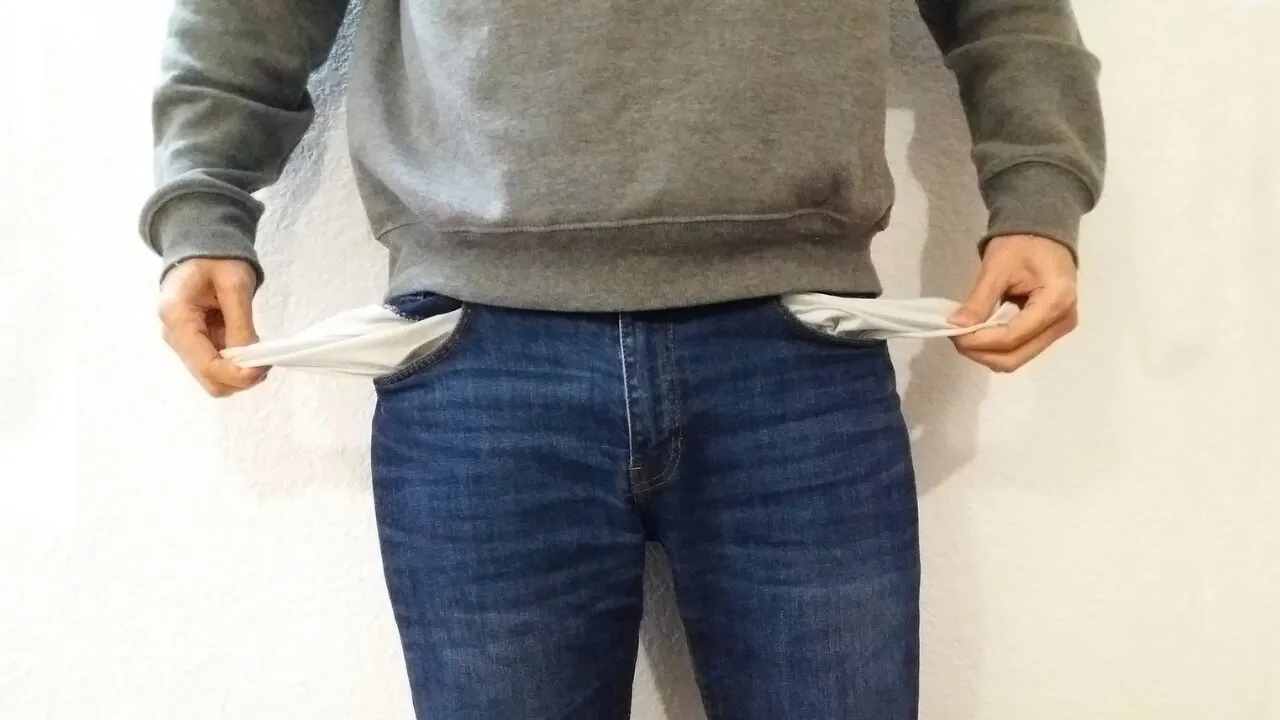
I had stopped trusting my own instincts about what a healthy relationship even looked like. And that, more than any empty bank account or legal filing, was the real collapse.
The Relationship Myths That Kept Me Trapped
So much of what kept me stuck wasn’t just my partner or even the marriage itself. It was the stories I had been told about love since I was a little girl.
“A good woman makes it work.”
This one ran deep, especially as a Latina raised in a traditional household. The message was clear: your job in a relationship is to hold it together. If the relationship fails, you failed. Period. There was no room in that narrative for the possibility that sometimes, the bravest act of love is walking away.
“You chose this, so you deal with it.”
As if choosing to love someone at twenty-two means you owe that version of yourself blind loyalty forever. People grow. People change. And sometimes two people grow in directions that no longer align. That’s not failure. That’s life.
“Think about the children.”
I did think about my children. Every single day. And eventually I realized that what I was modeling for them, a mother who had abandoned her own needs and voice for the sake of keeping up appearances, was not the lesson I wanted them to carry into their own future relationships.
According to research published in the American Psychological Association’s resources on divorce, children are more affected by ongoing parental conflict than by the divorce itself. Staying “for the kids” in a home filled with tension and resentment wasn’t protecting anyone. It was just prolonging everyone’s suffering.
Finding this helpful?
Share this article with a friend who might need it right now. Sometimes knowing someone else has walked this road makes all the difference.
What Rock Bottom Actually Taught Me About Love
When my physical world finally crumbled to match the internal chaos I’d been living in, something unexpected happened. For the first time in years, I had space.
Space to ask myself what I actually wanted from a partner. Space to examine the parts of my identity beyond being a mother and wife. Space to sit with the uncomfortable question: what does healthy love actually feel like?
I started learning about attachment styles and realized I had been operating from an anxious attachment pattern for most of my adult life, constantly seeking validation, terrified of abandonment, willing to shrink myself to avoid rejection. Understanding this didn’t fix everything overnight, but it gave me a framework. It helped me see that the way I had been showing up in my relationship wasn’t really about love. It was about fear.
I began to understand that real partnership isn’t about completing each other in that fairy-tale, “you complete me” kind of way. It’s about two whole people choosing each other daily, with eyes wide open. And you can’t be a whole person if you’ve spent years chipping away at yourself to fit into someone else’s mold.
Rebuilding My Relationship With Myself First
Before I could even think about dating again or what a future partnership might look like, I had to repair the most neglected relationship in my life: the one with myself.
This meant learning to set boundaries not as walls to keep people out, but as fences that defined where I ended and someone else began. It meant getting honest about my own patterns. The people-pleasing. The conflict avoidance. The way I would abandon my own needs the moment someone expressed displeasure.
It also meant forgiving myself for staying as long as I did. That was a hard one. For a long time, I carried shame about the years I “wasted” in a partnership that wasn’t serving either of us. But those years weren’t wasted. They taught me exactly what I didn’t want, and sometimes that clarity is worth more than a decade of theory.
I stopped discounting what I had survived. Going to a top university. Having the courage to travel beyond my neighborhood when most of my peers hadn’t. Raising two boys who were watching their mother choose herself for the first time. These weren’t small things. These were evidence that I had always been stronger than I believed.
What Healthy Love Looks Like on the Other Side
I won’t pretend the path forward has been smooth. Dating after divorce, especially as a single mother, comes with its own set of challenges. There’s the logistical reality of babysitters and bedtimes. There’s the vulnerability of opening your heart again when the last time you did, it cost you everything.
But here’s what I know now that I didn’t know before.
Healthy love doesn’t require you to abandon your dreams or silence your voice. It doesn’t ask you to perform a role. It doesn’t punish you for having needs or make you feel like wanting more makes you ungrateful.
Healthy love feels like breathing. Not the desperate, gasping kind. The deep, steady, intentional kind. The kind where you exhale fully because you trust that the next inhale will come.
A Psychology Today article on relationship health notes that one of the clearest signs of a healthy partnership is that both people feel free to be themselves. That’s it. No performance. No script. Just two people showing up as they are and being accepted.
The relationship that nearly destroyed me also gave me the greatest gift: the ability to recognize what real love isn’t, so I could finally find what it is.
I’m not going to stand here and tell you that hitting rock bottom was some beautiful, destined moment. It was messy and painful and lonely. But picking up the broken pieces of my love life allowed me to rebuild something I actually wanted to live inside. A relationship with myself that was honest. A standard for partnership that was rooted in mutual respect, not obligation.
And now, when I think about love, I don’t think about perfection or fairy tales. I think about freedom. The freedom to be fully myself and to be chosen, not despite that, but because of it.
That’s the kind of love worth waiting for, rebuilding for, and believing in.
We Want to Hear From You!
Tell us in the comments which part of this story resonated most with you. Whether you’re rebuilding after a breakup or rethinking what love means to you, your voice matters here.
Read This From Other Perspectives
Explore this topic through different lenses