The Sacred Art of Saying Goodbye When a Relationship Has Run Its Course
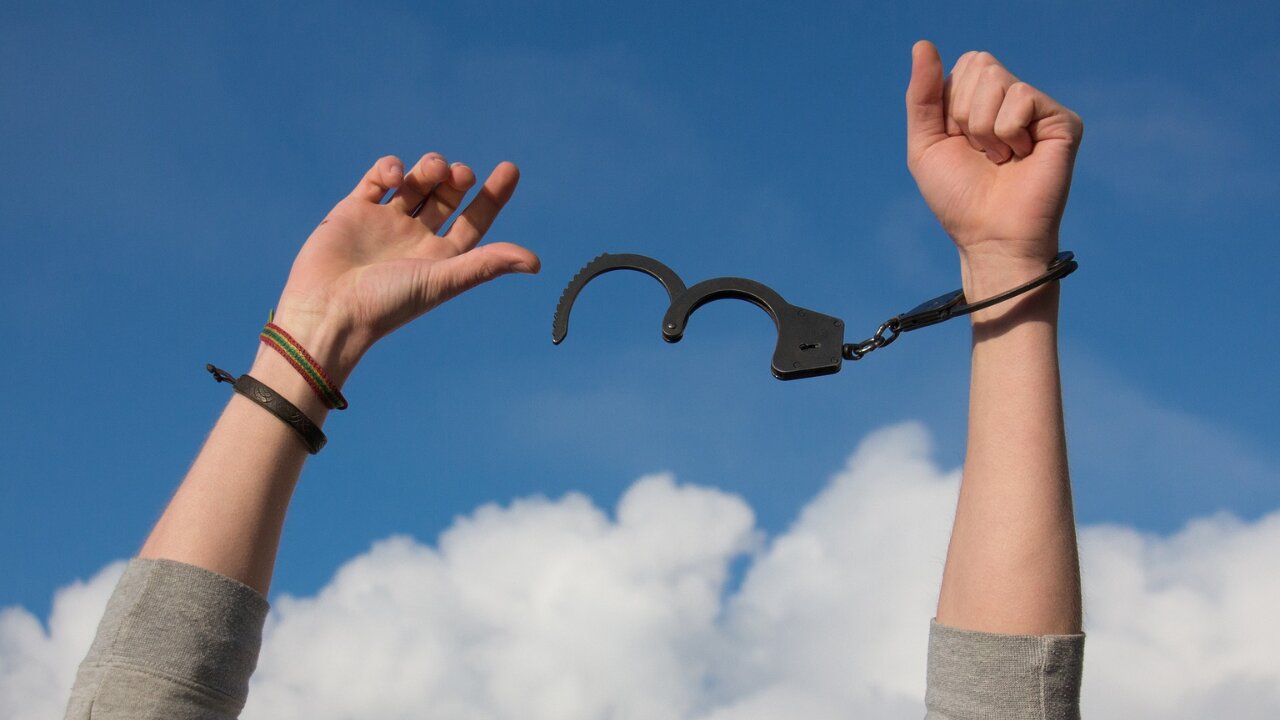
There comes a moment in every woman’s life when she recognizes that something, or someone, has reached its natural conclusion. Perhaps it’s a romantic partnership that once filled your heart but now leaves you feeling empty. Maybe it’s a job that helped you grow but has become a cage. It could be a friendship, a city you’ve called home, a habit you’ve outgrown, or even a belief system that no longer aligns with who you’re becoming.
Whatever you’re releasing, the act of letting go deserves more than a casual dismissal. It deserves ceremony. It deserves intention. It deserves the kind of sacred attention that honors both what was and what’s about to be.
Why We Need Ritual When Moving On
Our modern world has largely lost touch with ritual. We end relationships through text messages, leave jobs with a two-week notice and a perfunctory goodbye email, and move to new cities without ever properly acknowledging what we’re leaving behind. This disconnection from ceremony leaves unprocessed emotions floating in our energetic field, often manifesting as anxiety, depression, or an inability to fully commit to what comes next.
Research in psychology supports the power of ritualistic behavior during transitions. According to the American Psychological Association, rituals help us process difficult emotions and create psychological closure. They give our minds a concrete way to mark the end of one chapter and the beginning of another.
When you create a formal goodbye, you’re not just performing an arbitrary act. You’re signaling to your subconscious mind that this ending is real, acknowledged, and intentional. You’re giving yourself permission to grieve while simultaneously affirming your readiness to move forward.
What are you ready to release from your life right now?
Drop a comment below and let us know what’s been weighing on your heart.
Creating Your Sacred Space for Letting Go
Before you can properly say goodbye, you need to create an environment that supports the emotional and spiritual work you’re about to do. This isn’t about being perfect or having the right supplies. It’s about being intentional.
Choose Your Setting
Find a place where you feel safe and won’t be interrupted. This might be your bedroom with the door locked, a quiet corner of a park, or beneath a tree that’s always felt special to you. Nature often provides the best backdrop for this kind of work because it reminds us that endings are natural, that seasons change, and that death always precedes rebirth.
Engage Your Senses
Light a candle or some incense. Play soft, healing music without lyrics. Wrap yourself in a cozy blanket. Pour yourself a cup of tea. These small acts of self-care prepare your nervous system for the emotional release to come. They tell your body that you’re safe, that this process is intentional, and that you have time.
Prepare Your Heart
Take several deep breaths before you begin. Place your hand on your heart and acknowledge what you’re about to do. You might say something simple like, “I am ready to honor this ending” or “I give myself permission to let go.” This kind of self-compassion practice grounds you in the present moment and opens your heart to the ceremony ahead.
The Goodbye Letter Ceremony
The centerpiece of this sacred goodbye is a letter. Not an email, not a text, but an actual, physical letter that you will write by hand, read aloud, and eventually destroy. There’s something powerful about putting pen to paper, about forming words with your own hand, about creating a tangible object that represents your relationship and your readiness to release it.
Writing Your Letter
Address the letter to whatever or whoever you’re releasing. Be specific. “Dear Marcus” or “Dear My Fear of Failure” or “Dear This City That Has Been My Home.” Personifying what you’re releasing makes the goodbye feel real and direct.
In your letter, include:
- Acknowledgment of the relationship: How long has this been part of your life? What role has it played?
- Gratitude for the lessons: What did this relationship teach you? How did it help you grow?
- Recognition of the ending: Why is it time to let go? What has shifted?
- Your intention for release: What do you ask the universe to help you with? What support do you need?
- A final farewell: Say goodbye with love, not bitterness.
According to Harvard Health, expressive writing has been shown to reduce stress and help process difficult emotions. The act of putting your feelings into words helps your brain make sense of complex emotional experiences.
Reading Your Letter Aloud
Once you’ve written your letter, hold it in your hands. Feel its weight. This paper contains your truth, your gratitude, your grief, and your intention. When you’re ready, read it aloud. Speak slowly. Let each word land in your body. Don’t rush through uncomfortable parts.
If tears come, let them. If anger rises, let it. If you need to pause and breathe, pause and breathe. This isn’t a performance. It’s a release.
Finding this helpful?
Share this article with a friend who might need it right now.
A Template for Your Sacred Goodbye
If you’re unsure where to start, use this template as a foundation. Personalize it with your own words and feelings:
Dear [name of person, place, situation, habit, belief],
The time has come for me to say goodbye to you.
You have been part of my life for [time period], and I acknowledge all that our relationship has meant. I am grateful because you taught me [lesson]. You helped me [growth or experience].
However, I now recognize that our relationship no longer serves my highest good. I have reached a stage in my personal evolution where I am ready to peacefully and gratefully release you. In doing so, I create space for something new that will better serve who I am becoming.
I am ready to move forward.
I ask the Universe to help me release any cords of attachment that remain. I invite my spirit guides, ancestors, or whatever higher power resonates with me to support this transition. I ask for clarity of mind, peace of heart, and strength of body as I undergo this shift.
It has truly been a journey with you, [name]. I now release you with love. I free you. I allow you to dissolve from my life with gratitude for all that was.
Thank you. Farewell.
With love,
[Your name]
The Final Release: Destroying the Letter
After you’ve read your letter aloud, it’s time for the final act of release. Slowly tear the letter into small pieces. Feel each rip as a severing of the energetic cords that still connect you to what you’re releasing.
If you can do so safely, burn the pieces. Fire has been used across cultures and throughout human history as a symbol of transformation and purification. According to Psychology Today, fire rituals activate our sense of finality and transformation. Watching the paper turn to ash signals to your subconscious that the release is complete.
If burning isn’t possible, you can bury the torn pieces in the earth, release them into flowing water, or simply place them in a bag and throw them away. The key is the intention behind the action, not the specific method.
The Days After: Processing What Arises
Your ceremony marks a beginning, not an ending. In the days that follow, you may experience waves of emotion. Sadness, doubt, relief, fear, excitement, grief. These feelings are not signs that your ceremony failed. They’re evidence that it worked.
When difficult emotions arise, don’t resist them. Resistance only makes feelings persist. Instead, acknowledge what’s coming up. Name it: “I’m feeling sadness right now” or “I notice fear arising.” Then feel it fully, without judgment. Allow it to move through you like a wave.
This is the practice of getting to the root of your pain rather than numbing it or pushing it away. When you allow yourself to fully feel, you’ll discover that emotions have a natural lifespan. They rise, they peak, and they fall. They don’t last forever unless we refuse to let them move.
When Practical Steps Are Needed
If you’re releasing a relationship with a person or leaving a job, the ceremony doesn’t replace the practical conversations you’ll need to have. But it does change how you’ll have them.
By doing your internal work first, you approach these conversations from a place of clarity rather than reactivity. You’ve already processed the emotional charge, which means you’re less likely to say things you’ll regret or make decisions from fear. You’ve honored your own needs privately, which means you don’t need the other person to validate your choice.
This is especially important when evaluating whether a relationship is truly serving you. The ceremony helps you distinguish between temporary discomfort (which might be worth working through) and fundamental misalignment (which signals it’s time to go).
The Deeper Invitation
Learning to say goodbye well is one of the most important skills we can develop. It affects every area of our lives. How we end relationships shapes how we begin new ones. How we leave jobs determines how we show up in new roles. How we release old beliefs creates space for new understanding.
Every goodbye is an opportunity to practice integrity, gratitude, and trust. When we leave with intention rather than reactivity, with ceremony rather than casualness, we honor ourselves and whatever we’re leaving behind. We model what healthy endings look like. We prove to ourselves that we can navigate change with grace.
The sacred goodbye isn’t about pretending everything was perfect. It’s not about bypassing your anger or minimizing harm that may have been done. It’s about choosing to release with love anyway. It’s about refusing to let bitterness be the final note. It’s about trusting that something beautiful is waiting on the other side of this ending.
A Note on Self-Care After Your Ceremony
After completing your goodbye ritual, please be gentle with yourself. You’ve just done significant emotional and spiritual work. Your nervous system may feel raw. Your energy may be lower than usual.
Give yourself permission to rest. Take a long bath. Go to bed early. Eat nourishing food. Spend time in nature. Avoid making other big decisions for a few days if possible. Your job right now is simply to integrate what you’ve released and stay open to what’s coming next.
This isn’t indulgence. It’s wisdom. You’re creating the conditions for genuine healing and transformation.
We Want to Hear From You!
What are you ready to release from your life? Share in the comments below, and let’s support each other through this journey of letting go.