The Breakup Didn’t Break Me, Losing Myself Inside the Relationship Did
It Wasn’t the Ending That Destroyed Me
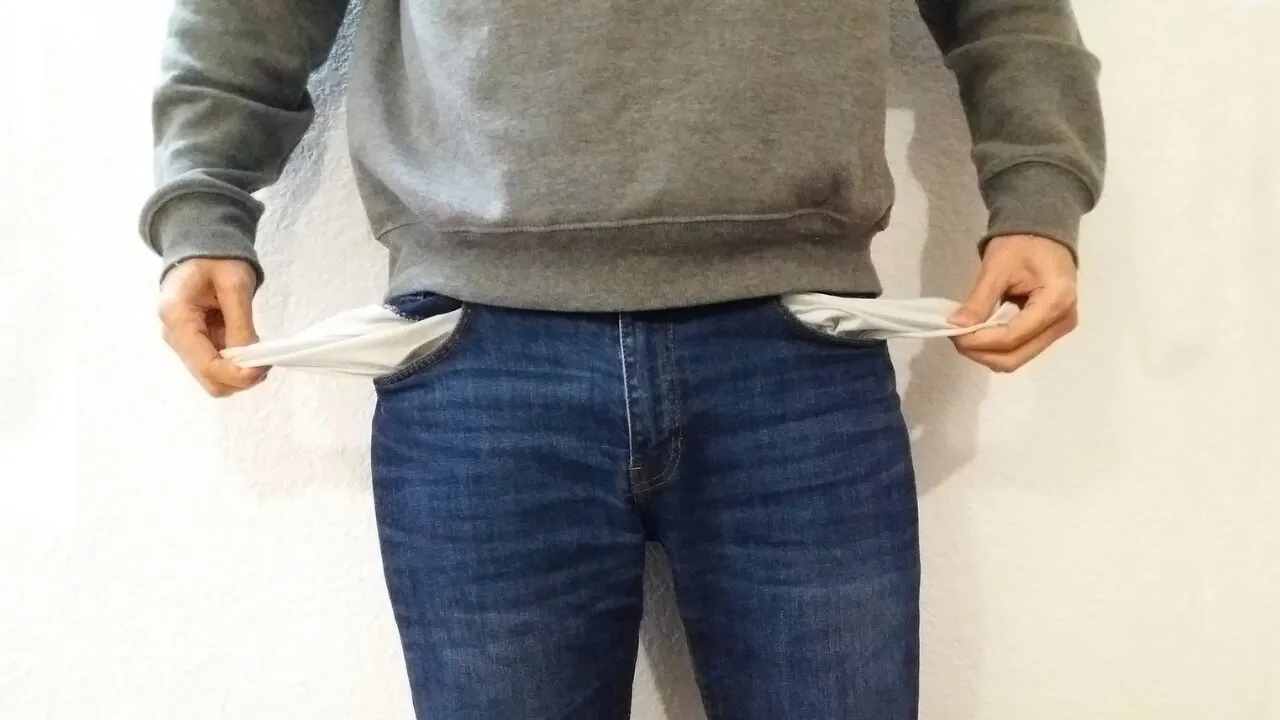
Let me tell you something that took me years to figure out, lovely. When my marriage fell apart and I found myself suddenly single with two little boys and a bank account full of nothing, everyone assumed that was my lowest point. The breakup. The divorce papers. The moment I went from “wife” to “single mother” in the eyes of the world.
But that wasn’t it. Not even close.
My real downfall happened long before the relationship ended. It happened slowly, quietly, inside the relationship itself. It happened every time I swallowed my own opinion to keep the peace. Every time I laughed at something that wasn’t funny because it was easier than explaining why it hurt. Every time I looked in the mirror and couldn’t recognize the woman staring back at me because she had been sculpted entirely by someone else’s expectations.
The breakup was just the earthquake that finally made the cracks visible. The structural damage had been happening for years.
According to research from the American Psychological Association, women are nearly twice as likely as men to experience depression, and relationship dynamics play a significant role in that disparity. The emotional labor, the identity compromises, the quiet erosion of self that happens when you pour everything into a partnership while neglecting your own foundation.
How I Disappeared Into My Relationship
It didn’t happen overnight. Nobody wakes up one morning and decides to abandon themselves for the sake of a relationship. It’s more like a slow leak. A tiny, almost imperceptible loss of air from a tire you didn’t even know was punctured.
First, I stopped voicing my preferences about small things. Where to eat. What to watch. What to do on weekends. Then the small things grew into bigger things. How to spend money. How to raise the kids. What kind of life we were actually building together.
I convinced myself that compromise was the same thing as love. But there’s a world of difference between healthy compromise and total self-abandonment. Compromise means two people meeting somewhere in the middle. What I was doing was walking all the way to his side of the room and pretending I had wanted to stand there all along.
The Gottman Institute, which has spent decades researching what makes relationships succeed or fail, identifies the loss of individual identity within a partnership as a major predictor of relationship breakdown. Healthy relationships require two whole people. When one person disappears into the other, the foundation starts to rot from the inside.
I stopped exploring the world the way I used to. I stopped dreaming about things that were just mine. My goals became “our” goals, which really meant his goals with my name attached. And the worst part? I didn’t even notice it was happening until there was almost nothing left of me to save.
Have you ever looked up mid-relationship and realized you couldn’t remember what you actually wanted for yourself anymore?
Drop a comment below and let us know. You’d be surprised how many women share that exact moment of recognition.
The Roles We Play to Keep Love Alive
Here’s what nobody tells you about romantic relationships, especially when you’re a young Latina woman raised on telenovela-sized expectations of devotion. You’re taught that a good partner sacrifices. That love means putting someone else first, always. That if the relationship is struggling, it’s because you aren’t trying hard enough, giving enough, bending enough.
So I bent. And I bent. And I bent until I was folded into a shape so unrecognizable that when someone asked me what I wanted out of life, I genuinely could not answer.
The Good Wife Performance
I played the role of the good, domestic wife because that was the script I’d been handed. I performed affection when I felt numb. I performed contentment when I felt trapped. I smiled through dinners with his family while my own dreams collected dust in the back of my mind like forgotten furniture in a storage unit.
What therapists call codependency is really just this: the gradual replacement of your own identity with the identity of the relationship. You stop being a person who is in a relationship and start being a person who exists only because of the relationship. Your mood depends on their mood. Your worth depends on their approval. Your entire emotional landscape becomes a mirror of theirs.
And when that relationship ends? You don’t just lose a partner. You lose the entire self you built around them. That is the real devastation. Not the breakup itself, but the terrifying emptiness of realizing you have no idea who you are without them.
When Leaving Feels Like Failure Instead of Freedom
When I finally left, I didn’t feel brave. I felt like a failure. My internal narrative wasn’t “I’m choosing myself.” It was “I couldn’t make it work. I wasn’t enough. I broke my family.”
That voice, the one that told me leaving was proof of my inadequacy, was the same voice that had kept me in the relationship long past its expiration date. It was the voice of every aunt who said “marriage is hard, you just push through.” Every friend who said “but he’s a good provider.” Every cultural expectation that told me a woman alone is a woman who failed.
Rewriting the Story of Your Breakup
It took me a long time to understand that leaving a relationship that was slowly dissolving my sense of self wasn’t destruction. It was rescue. I wasn’t taking a wrecking ball to my life. I was pulling myself out of a building that was already on fire.
But in the immediate aftermath, all I could see was rubble. Two kids. No money. No partner. No clear path forward. And the most painful part: no clear sense of who I even was outside the context of that relationship.
The financial struggle, the single motherhood, the loneliness of suddenly sleeping alone after years of sharing a bed with someone, those were real and they were hard. But they were survivable hardships. The thing that nearly took me out was the realization that I had spent years building my entire identity around another person, and now that person was gone, and so was I.
Finding this helpful?
Share this article with a friend who might need it right now.
Learning to Date Yourself Before Dating Anyone Else
After the divorce, well-meaning friends kept trying to set me up. “You need to get back out there,” they’d say, as if “out there” was some magical place where a new relationship would patch the hole in my chest.
But I knew, even in my most broken moments, that jumping into another relationship would just restart the cycle. I would find someone new and slowly, unconsciously, begin reshaping myself around them. Because that was the only way I knew how to love: by disappearing.
The Tiny Acts of Reclamation
So instead, I started dating myself. And I don’t mean that in a cute, bubble-bath-and-wine kind of way (though there was plenty of that too). I mean I started asking myself the questions I would ask on a first date.
What do you like to do for fun? What music moves you? What kind of mother do you want to be, not the kind you think you should be? What makes you laugh until your stomach hurts? What are you passionate about when nobody else’s opinion is in the room?
These questions, which should have been easy, were some of the hardest I’d ever had to answer. Because I had spent so long filtering every preference, every desire, every opinion through the lens of “will this make my partner happy?” that I had completely lost access to my own answers.
But slowly, one small choice at a time, I started to hear my own voice again. And she had a lot to say.
What Healthy Love Actually Looks Like
Here is what I’ve learned about relationships since rebuilding myself from the ground up. Love is not supposed to require you to become someone else. A partner who truly loves you doesn’t need you to shrink. They don’t need you to abandon your dreams, silence your opinions, or perform a version of yourself that keeps things comfortable for them.
Healthy love is two whole people choosing each other every day, not two half-people clinging to each other out of fear of being alone.
The Boundaries I Never Knew I Needed
The version of me who entered that marriage didn’t know what boundaries were. She thought boundaries were walls, and walls meant you didn’t love someone enough. Now I understand that boundaries are the very thing that makes real intimacy possible. You can’t truly let someone in if you don’t know where you end and they begin.
Today, I approach relationships with a completely different foundation. I check in with myself regularly. Am I saying yes because I want to, or because I’m afraid of what happens if I say no? Am I sharing my real opinion, or the one I think will cause the least friction? Am I growing in this relationship, or am I shrinking?
These aren’t paranoid questions. They’re maintenance. They’re the relationship equivalent of checking your oil and your tire pressure before a long drive. Because the kind of self-loss I experienced doesn’t announce itself with a dramatic entrance. It sneaks in through a thousand tiny surrenders.
Your Breakup Is Not Your Identity
If any part of this story sounds familiar to you, I need you to hear this. The end of your relationship is not proof that you are unworthy of love. It might actually be proof that you are finally ready to learn what real love looks like, starting with how you love yourself.
The real downfall in a relationship is never the moment it ends. It’s the moment you stop being honest about who you are inside of it. And the real redemption isn’t finding someone new to complete you. It’s becoming whole enough that the next person you choose gets the real you, not a performance, not a compromise, not a watered-down version designed for someone else’s comfort.
You have survived the ending. Now give yourself permission to begin again, this time as yourself.
We Want to Hear From You!
Tell us in the comments which part of this story hit home for you. Your honesty might be exactly what another woman needs to read today.
Read This From Other Perspectives
Explore this topic through different lenses