Social Media is Quietly Ruining Your Relationship and You Might Not Even See It
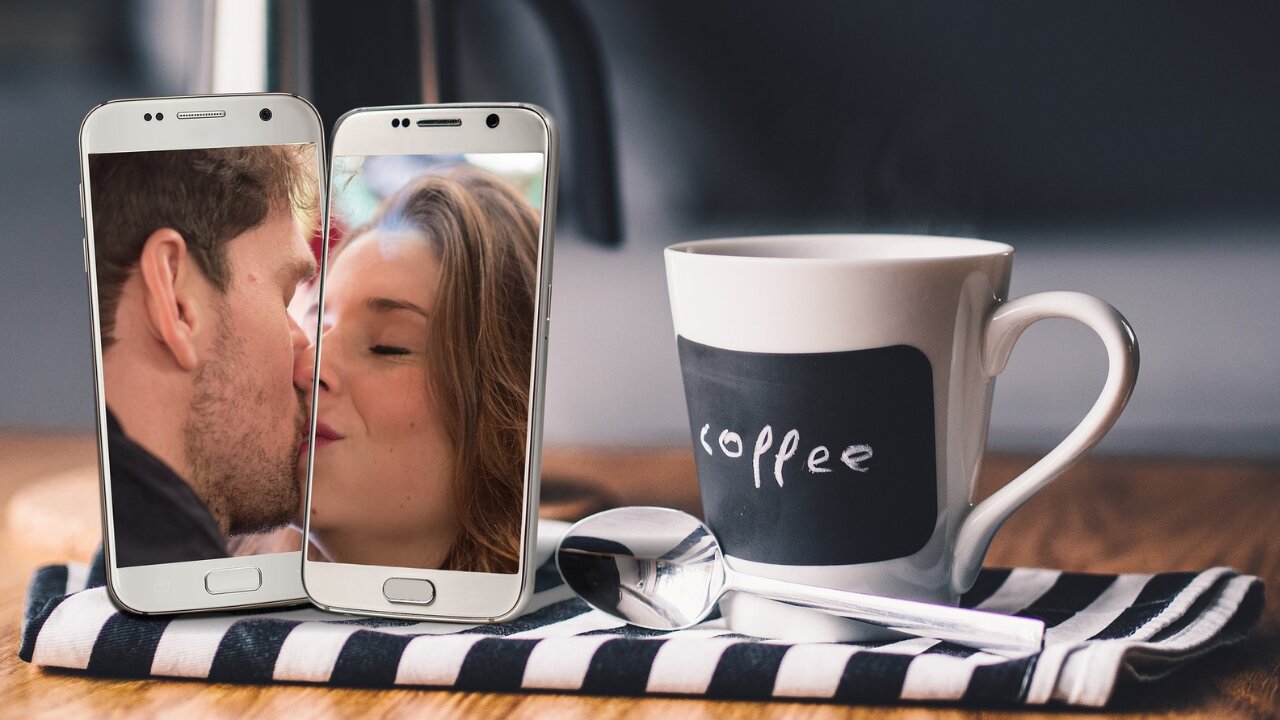
We scroll through Instagram before our morning coffee. We check notifications during dinner. We fall asleep with our phones glowing beside us on the pillow. Social media has woven itself so deeply into our everyday routines that we barely notice how much space it takes up anymore. And while staying connected has its perks (hello, group chats and recipe reels), there is a quieter side to all this digital noise that most of us don’t talk about enough: the toll it can take on our relationships.
This is not about demonizing social media or telling you to delete every app on your phone. It is about being honest with yourself. Because the truth is, some of the habits we have developed online are slowly chipping away at trust, intimacy, and emotional connection with the people we love most. And the scariest part? Most of us don’t even realize it is happening.
The Past Has a Way of Finding You Online
One of the most disruptive things about social media is how effortlessly it collapses the distance between your past and your present. A friend request from an old flame. A comment from someone you used to know. A late-night message that starts with “hey, remember when…” Suddenly, people who had no place in your current life are back, and they are just one click away.
Research from the American Psychological Association has shown that reconnecting with past romantic partners through social media is a common source of conflict in committed relationships. And it makes sense. These platforms remove all the natural barriers that once kept certain chapters of your life closed.
Here is the thing: nostalgia can feel warm and harmless, but it is rarely as innocent as it seems. If someone from your past is reaching out and it makes you feel a little flutter, that is worth paying attention to. Not because you are a bad person, but because feelings like that thrive in secrecy. The healthiest thing you can do is be transparent with your partner about it. The past is the past for a reason, and not every door that opens deserves to be walked through.
Has an old friend request or message ever stirred up something unexpected in your relationship?
Drop a comment below and let us know how you handled it. Your honesty might help someone else navigate the same situation.
Boundaries Get Blurry When Everything is Public
Social media has this strange way of making boundaries feel optional. There is an unspoken pressure to accept every friend request, follow back everyone who follows you, and keep your digital doors wide open. But relationships need boundaries to stay healthy, and that includes your online life.
Think about it. Does your partner’s coworker really need access to your vacation photos and family updates? Does that person you met once at a party need to see your stories every day? These might seem like small, harmless things, but they add up. Every person you invite into your digital space is another set of eyes on your relationship, another potential source of misunderstanding or discomfort.
Having an open conversation with your partner about social media boundaries is not controlling. It is caring. Talk about what feels comfortable and what does not. Maybe you both agree that certain things stay off social media. Maybe you decide to keep your friend lists smaller and more intentional. There is no one-size-fits-all answer here, but the conversation itself is what matters.
The Comparison Trap is Real (and It Hurts)
You know the feeling. You are scrolling through your feed and suddenly everyone else’s relationship looks better than yours. They are going on fancy trips. They are posting love letters to each other. Their photos look effortless and romantic. And then you look at your own life and wonder why your partner never does any of that.
But here is what we all know deep down and still forget: social media is a highlight reel. Nobody posts the arguments, the boring Tuesday nights, the moments of doubt. A study published in the Journal of Computers in Human Behavior found that people who used Facebook more frequently experienced greater feelings of jealousy and relationship dissatisfaction. Not because their relationships were worse, but because they were constantly measuring them against a curated illusion.
This comparison game does not just affect how you see your relationship. It affects how you see yourself. When your selfie does not get the response you hoped for, or when another woman’s body looks nothing like yours, it is easy to spiral. But your worth is not measured in likes, and your relationship is not defined by how it looks to strangers online. Learning to stop comparing yourself to others on social media is one of the most freeing things you can do for both your self-esteem and your partnership.
Insecurity and Mistrust Can Spiral Fast
Social media gives insecurity a megaphone. What starts as a casual glance at your partner’s followers can quickly turn into a full investigation. Who liked their photo? Why did they follow that person? What does that comment mean? Before you know it, you are deep in someone’s profile at 1 a.m., feeling anxious about something that probably means nothing.
This kind of behavior is more common than most people admit, and it is incredibly damaging. According to Psychology Today, social media surveillance is linked to increased conflict, decreased trust, and lower relationship satisfaction. The irony is that the more you monitor, the more suspicious everything starts to look, even when there is nothing to find.
If you find yourself constantly checking your partner’s activity online, it might be time to ask yourself what is really going on. Is this about them, or is it about a fear you are carrying? Sometimes the healthiest move is to put the phone down and have an honest, face-to-face conversation about what you are feeling. Real trust is not built through surveillance. It is built through vulnerability and communication.
Finding this helpful?
Share this article with a friend who might need it right now.
When Scrolling Becomes an Addiction
Be honest with yourself for a second. How many times have you picked up your phone during a conversation with your partner? How often do you reach for it first thing in the morning, before you have even said good morning to the person lying next to you?
We joke about being “addicted” to our phones, but the science backs it up. Social media platforms are designed to keep you scrolling. Every notification, every like, every new post triggers a small dopamine hit that keeps you coming back for more. And while that might seem harmless, the time and attention you pour into your screen is time and attention you are taking away from your relationship.
Think about what your evenings look like. Are you sitting together but both staring at separate screens? Are you half-listening while your partner talks because you are reading a comment thread? These small moments of disconnection add up over time. They send a subtle but clear message: this phone is more interesting than you are. And no one wants to feel like they come second to an algorithm. Overthinking patterns in relationships can get worse when we fill every quiet moment with scrolling instead of genuine connection.
Quality Time is Disappearing
Real intimacy requires presence. Not the kind where you are physically in the same room but mentally somewhere else. Actual, undivided, I-am-here-with-you presence. And social media is one of the biggest thieves of that kind of attention.
It is wild how much time we spend just “keeping up” with people online. Responding to stories, catching up on feeds, watching reels. None of it is bad on its own, but when it starts eating into the hours you could be spending with your partner, something has to give.
Try this: set some phone-free zones in your relationship. Maybe it is during meals. Maybe it is the first 30 minutes after you both get home from work. Maybe it is the entire bedroom. Whatever works for you, the point is to carve out space where your partner knows they have your full attention. You might be surprised how much closer you feel when there is no screen between you.
Oversharing Invites Opinions You Did Not Ask For
There is a fine line between sharing your life and oversharing it, and social media makes it incredibly easy to cross. When you post about a fight with your partner, or vent about something they did, you are inviting hundreds (or thousands) of people into a private moment. And those people will have opinions. Lots of them.
The problem is that outsiders rarely have the full picture. They see a snapshot, form a judgment, and share it freely. And once those opinions are in your head, they are hard to shake. Suddenly you are questioning your relationship based on what strangers think, rather than what you actually feel.
Your relationship deserves a certain level of privacy. Not everything needs to be documented, debated, or displayed. The strongest couples are often the ones who set healthy boundaries with outside influences and protect their space fiercely. Share the joy if you want to, but keep the sacred things sacred.
So What Do You Actually Do About It?
None of this means you need to quit social media cold turkey. That is not realistic for most of us, and honestly, it is not necessary. What matters is awareness. Pay attention to how social media makes you feel, how it affects your behavior, and whether it is adding to or taking away from your relationship.
Start small. Have an honest conversation with your partner about your digital habits. Set some boundaries together. Commit to phone-free moments. And most importantly, remind yourself that the relationship happening right in front of you is infinitely more valuable than anything on your screen.
The couples who thrive in the social media age are not the ones who ignore it. They are the ones who refuse to let it run the show.
We Want to Hear From You!
Tell us in the comments which tip resonated most with you, or share how social media has affected your relationship. Your story might be exactly what another woman needs to read today.