Why Putting Yourself First Is the Secret to Finding Work That Actually Matters
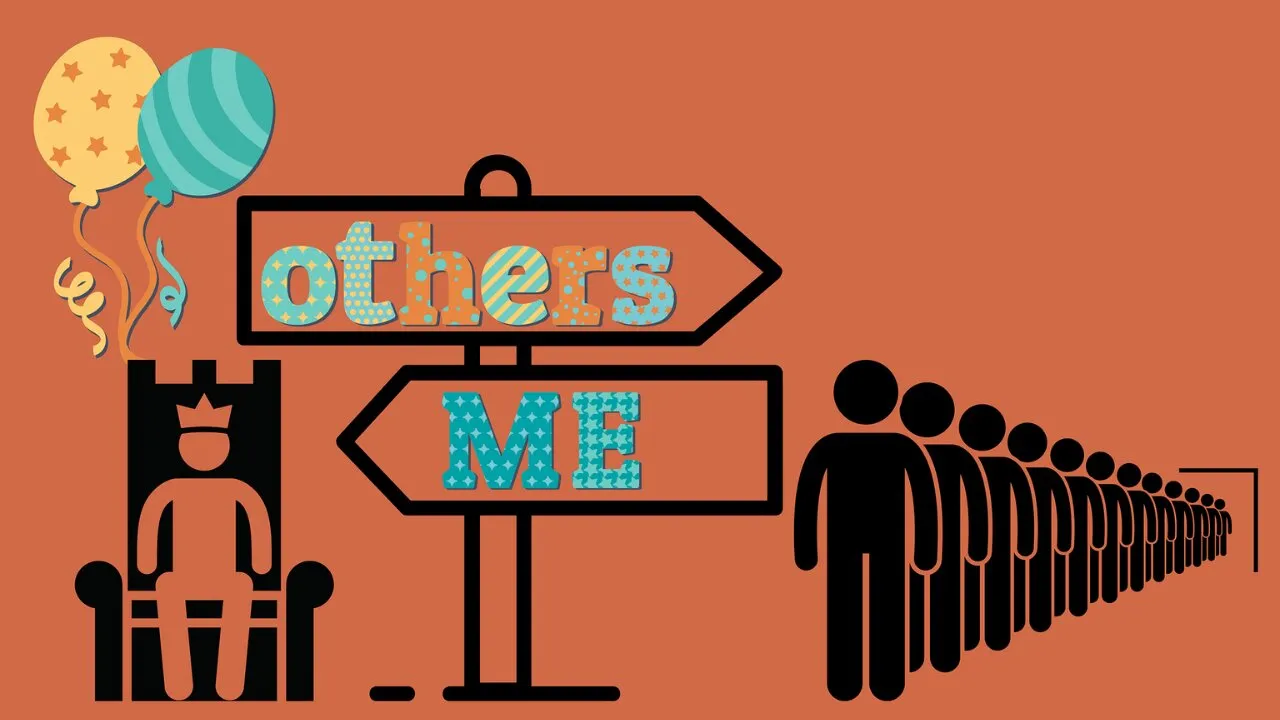
There is a quiet crisis happening in the lives of ambitious women everywhere. Not the loud, dramatic kind that forces you to make a change. The slow, creeping kind. The kind where you wake up one morning and realize you have spent years building a career, chasing goals, and checking boxes that someone else designed for you. You have been so busy being useful, so committed to proving your value through output and sacrifice, that you forgot to ask the most important question of all: what do I actually want?
If that hits a nerve, stay with me. Because putting yourself first is not just a wellness trend or a self-care slogan. It is the single most important thing you can do if you want to find and sustain work that genuinely lights you up.
The Trap of Building Someone Else’s Dream
Most of us were taught that success means being indispensable. Show up early, stay late, say yes to every project, volunteer for the extra task. Be the reliable one. Be the one who never complains. And for a while, it works. You get the promotions, the praise, the sense of accomplishment that comes from being needed.
But here is what nobody tells you. Being needed and being fulfilled are two completely different things.
According to Gallup’s State of the Global Workplace report, only 23% of employees worldwide feel genuinely engaged at work. That means the vast majority of people are showing up, doing the thing, and feeling almost nothing about it. And women in particular carry an extra burden here because we are socialized to equate our worth with what we give. So we keep giving, even when the work has stopped giving anything back to us.
The problem is not laziness. The problem is not a lack of gratitude. The problem is that you have been pouring your energy into everyone else’s priorities and calling it ambition. Real ambition, the kind that sustains you over decades, starts with getting brutally honest about what matters to you.
Have you ever looked at your career and realized you were building something you never actually chose?
Drop a comment below and tell us about the moment you started questioning the path you were on.
Why Self-Prioritization Is a Career Strategy, Not a Guilty Pleasure
We tend to frame putting yourself first as something you earn after the work is done. Rest after the deadline. Joy after the milestone. Purpose after the paycheck is secure. But this framing has it backwards.
When you consistently deprioritize your own needs, your creativity suffers. Your decision-making gets cloudy. You lose the ability to think strategically about your own life because all your mental bandwidth is consumed by other people’s agendas. The American Psychological Association has documented how chronic stress and self-neglect impair cognitive function, reduce motivation, and erode the exact kind of big-picture thinking you need to build a meaningful career.
On the other hand, when you make space for yourself, something shifts. You start hearing your own ideas again. You notice what excites you. You have the energy to take risks, to explore new directions, to say no to opportunities that look impressive but feel empty. Putting yourself first is not a retreat from ambition. It is the fuel that makes real ambition possible.
The Oxygen Mask Principle, Applied to Your Career
You have heard the airplane analogy before. Put on your own oxygen mask first. But let’s take it beyond survival and into purpose.
When you are running on empty, you default to safe choices. You take the predictable promotion instead of the lateral move that excites you. You stay in the comfortable role instead of pitching the project that scares you. Depletion does not just make you tired. It makes you risk-averse. And finding your purpose almost always requires a willingness to take risks, to follow curiosity into unfamiliar territory, to bet on yourself even when the outcome is uncertain.
You cannot do any of that if you are barely holding it together. The women who build careers around their passions are not superhuman. They have simply learned to protect their energy fiercely enough that they have something left over for the work that matters most.
The Difference Between Strategic Selfishness and Selfish Ambition
Let’s name the thing that makes this complicated. There is a real difference between putting yourself first in a way that serves your purpose and being self-centered in a way that burns bridges.
Selfish ambition is climbing over people. It is hoarding opportunities, refusing to collaborate, treating every interaction as a transaction. It comes from scarcity and fear.
Strategic selfishness is something entirely different. It is saying, “I cannot take on this project because I need to protect my bandwidth for work that aligns with where I am going.” It is leaving a stable job because you know in your bones that your best work lives somewhere else. It is choosing to disappoint someone today so you can show up as a more whole, more purposeful version of yourself tomorrow.
As Harvard Business Review research on self-awareness shows, people who understand their own values, strengths, and motivations make better career decisions, build stronger professional relationships, and experience greater overall satisfaction. That self-awareness starts with paying attention to yourself, not just to what everyone else needs from you.
Understanding how to reclaim your energy when work feels stale is one of the most practical first steps you can take toward this shift.
Finding this helpful?
Share this article with a friend who has been giving her best energy to everyone else’s goals.
How to Start Putting Yourself First (Without Blowing Up Your Life)
You do not need to quit your job tomorrow or make some dramatic declaration. Reclaiming your priorities can start quietly, with small but intentional shifts.
Audit Where Your Energy Actually Goes
For one week, pay attention to how you spend your time and, more importantly, how each activity makes you feel. Not just “busy” or “productive” but genuinely alive, curious, engaged. Write it down. You will start to see patterns. Some tasks drain you completely while others make the hours disappear in the best way. This is not trivial information. This is your compass.
Practice Saying No to Good Things
The hardest part of putting yourself first is not saying no to bad opportunities. It is saying no to good ones that are simply not yours. That volunteer leadership role that would look great on your resume but eat your weekends. That side project your friend invited you into that sounds fun but pulls you away from the thing you actually need to build. Learning to say “that is a wonderful opportunity, but it is not for me right now” is one of the most powerful career skills you will ever develop.
Protect Your Creative Hours
Every person has a window during the day when they think most clearly and creatively. For some it is early morning. For others it is late at night. Identify yours and guard it ruthlessly. Do not schedule meetings during that time. Do not check email. Do not let anyone else’s urgency hijack the hours when you do your best thinking. This is where purpose-driven work happens, in the space you refuse to give away.
Reconnect With What Used to Excite You
Somewhere along the way, you probably abandoned interests and ambitions that did not seem practical or productive. Maybe you used to write, paint, code, garden, build things with your hands. Maybe you had a business idea that felt too wild to pursue. Go back to those things. Not because they need to become your career, but because they reconnect you to the part of yourself that knows what you love. And that reconnection is the foundation of finding your purpose.
Exploring the subconscious beliefs that hold you back can help you understand why you abandoned those passions in the first place.
The Ripple Effect on Your Career and Beyond
Here is the part that surprises most women. When you start putting yourself first, your work actually gets better. Not worse. Better.
You bring more originality to the table because you are no longer too exhausted to think creatively. You attract better opportunities because people can sense when someone is operating from alignment rather than obligation. You become the kind of leader, collaborator, and creator that others want to work with, not because you say yes to everything, but because when you say yes, you mean it completely.
And the ripple extends beyond your career. When other women see you building a life around your actual passions, it gives them permission to do the same. Having a creative tribe that supports your growth makes this ripple effect even more powerful. You stop being a cautionary tale of burnout and become proof that it is possible to be ambitious and whole at the same time.
Your Purpose Needs You at Full Capacity
The work you are here to do, the ideas you are meant to bring into the world, the impact you are capable of making, none of it can happen if you keep running yourself into the ground for goals that are not even yours.
Your purpose is not waiting for you at the end of a long road of self-sacrifice. It is waiting for you to clear enough space to hear it. It is waiting for you to stop performing productivity and start practicing presence. It is waiting for you to trust that your own needs, desires, and instincts are not obstacles to your ambition but the very source of it.
So put yourself first. Not because you have earned it. Not because you have checked every box. But because the world needs what only a rested, aligned, purposeful version of you can create. And you cannot build that from empty.
We Want to Hear From You!
What is one thing you are going to stop giving your energy to so you can focus on what actually matters? Tell us in the comments.
Read This From Other Perspectives
Explore this topic through different lenses