When Cancer at 22 Forced Me to Finally Find My Real Purpose
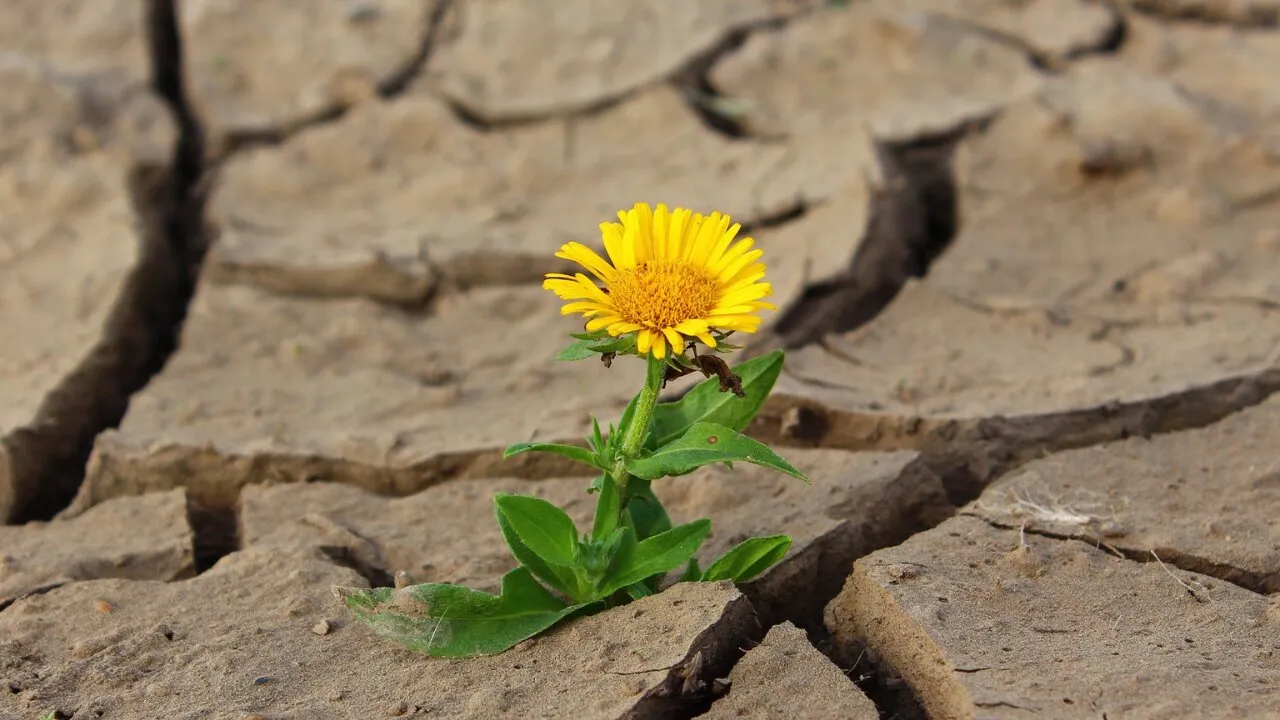
Everything I Thought I Wanted Was Built on Someone Else’s Blueprint
At twenty-two, I was doing everything right. University degree in progress. Social life thriving. A clear, predictable path stretching out in front of me like a highway I never questioned. I was headed somewhere, or at least that is what I told myself. The truth? I had no idea where I was actually going. I was just following the road because it was paved.
Then I got the phone call. A doctor who almost did not bother running tests because I was “so healthy” told me I had late-stage blood cancer. Curable, but aggressive. And in a single moment, the highway I had been cruising down crumbled beneath me.
Here is what nobody tells you about a life-threatening diagnosis in your early twenties: it does not just threaten your body. It obliterates every assumption you have ever made about what your life is supposed to look like. The degree you were chasing, the career you were planning, the five-year goals you had pinned to some invisible vision board in your mind. All of it becomes irrelevant when you are not sure you will be here next year.
But that obliteration? It turned out to be the most important thing that ever happened to my sense of purpose.
Have you ever had a moment that completely shattered the plan you thought you were supposed to follow?
Drop a comment below and tell us what broke the blueprint for you.
The Myth of “On Track” and Why Crisis Exposes It
Before cancer, I was living on autopilot. Going to university because that is what you do. Mapping out a career because that is what responsible people do. Making plans because the world around me made it very clear that not having a plan meant you were falling behind.
But here is the thing about autopilot. It gets you somewhere, sure. It just rarely gets you where you actually want to go.
Research from the Harvard Business Review suggests that many people choose career paths based on external expectations, financial pressure, or social norms rather than genuine alignment with their strengths and values. We build entire lives around goals we never actually chose for ourselves. And it often takes a major disruption to see it clearly.
Cancer was my disruption. When the chemotherapy started and I could barely get through a day without collapsing, every ambition I had was stripped down to its skeleton. And what I found underneath was startling: most of what I had been working toward did not actually matter to me. Not really. I had been performing purpose without ever feeling it.
If you have ever felt like you are going through the motions, building a life that looks impressive on paper but feels hollow when you are alone with your thoughts, you already know what I am talking about. You do not need a cancer diagnosis to recognize it. You just need the honesty to admit it.
What Happens When All Your Plans Get Cancelled
When cancer pulled me out of my degree, away from my social life, and into hospital rooms, something unexpected happened. For the first time in my life, I was not busy. I was not “productive.” I was not checking things off a list. I was just existing. And in that painful, terrifying stillness, I started hearing a voice I had been drowning out for years: my own.
It asked uncomfortable questions. What do you actually care about? If you survive this, what kind of life do you want to build? Not what your parents want. Not what your friends expect. Not what looks good on LinkedIn. What do you want?
I did not have answers right away. But the questions themselves were a beginning. Understanding how to stop procrastinating on the things that truly matter starts with knowing what those things are. And for years, I had been procrastinating on the biggest task of all: figuring out my actual purpose.
Post-Traumatic Growth Is Not Just Healing, It Is Redirecting
You have probably heard the concept of post-traumatic growth. The American Psychological Association defines it as positive psychological change that emerges from the struggle with highly challenging life circumstances. Most people talk about it in terms of gratitude or emotional resilience. And those are real. But there is a dimension that gets overlooked: purpose clarity.
Studies consistently show that people who survive serious illness or trauma often experience a dramatic shift in their priorities and goals. They do not just become more grateful. They become more directed. More intentional about how they spend their time, who they spend it with, and what work they pour their energy into.
That is exactly what happened to me. Cancer did not just make me appreciate life more. It rewired my entire relationship with ambition. Before, ambition meant achieving things the world valued. After, ambition meant building a life that aligned with what I valued. Those are two wildly different things.
Finding this helpful?
Share this article with a friend who might need it right now.
Rebuilding Your Ambition from the Inside Out
After treatment ended, I had to rebuild. Not just physically, but motivationally. The old version of my drive was gone. The goals I had before cancer felt like they belonged to someone else. And that is a disorienting place to be, standing at the beginning of the rest of your life with no roadmap.
But it was also the most liberating thing I have ever experienced.
For the first time, I got to choose. Not react, not comply, not follow. Choose. I started asking myself a question every single morning that I still ask today: “If I only had this one year, what would I build?” Not in a morbid way. In a clarifying way. Because when you have actually faced the possibility of not having next year, that question stops being hypothetical. It becomes the sharpest tool you own.
I started building my life around three principles that emerged from the wreckage of my old plans:
- Alignment over achievement. I stopped chasing goals that sounded impressive and started pursuing work that felt meaningful. If it did not light something up inside me, it was not worth my limited energy.
- Urgency without panic. Cancer taught me that time is not unlimited, but it also taught me that rushing through life out of fear is just another way of not living. I learned to move with intention, not anxiety.
- Creation over consumption. During chemo, I consumed endlessly. TV, social media, other people’s stories. When I got better, I made a deliberate shift toward creating. Writing, building, contributing. That shift changed everything.
The Miracle That Proved My New Path Was Right
Months after chemotherapy ended, my partner and I conceived twins. Twin girls. This after being told that strong chemo would likely destroy my fertility. According to the American Cancer Society, certain chemotherapy regimens can cause permanent infertility in women. The odds were not in our favor.
But those girls showed up anyway. And they did not just give me joy. They gave me rocket fuel. Because now the question was not just “what kind of life do I want to live?” It was “what kind of life do I want to model for my daughters?”
That question upgraded my purpose from personal to generational. I was no longer just building for me. I was building a life that would teach two little girls what it looks like when a woman chooses her own path, even when the world tells her she cannot.
Finding Your Purpose Does Not Require a Crisis (But It Does Require Honesty)
I want to be clear about something. You do not need cancer to find your purpose. You do not need a near-death experience or a devastating loss to wake up and start living with intention. What you need is radical honesty with yourself about whether the life you are currently building is one you actually chose.
If you stripped away every expectation placed on you by your family, your culture, your social circle, and your Instagram feed, what would be left? What would you pursue if nobody was watching and nobody was keeping score?
That answer, whatever it is, is the seed of your purpose. And it deserves your attention far more than the next promotion, the next milestone, or the next checkbox on a list someone else wrote for you.
Practical Ways to Start Uncovering Your Real Purpose
If the idea of “finding your purpose” feels overwhelming, start small. These are the exact practices that helped me rebuild my sense of direction after everything fell apart:
- The one-year audit. Write down everything you spent significant time on in the last year. Circle the things that made you feel alive. Cross out the things you did purely out of obligation. The pattern will tell you something important.
- The energy inventory. For one week, track what gives you energy and what drains it. Purpose lives where your energy flows naturally, not where you force it.
- The “why” journal. Every night, write one sentence about why you did what you did that day. Not what you accomplished. Why. Over time, your real motivations become impossible to ignore.
- The subtraction method. Instead of adding more goals, remove the ones that do not genuinely excite you. Purpose often reveals itself when you stop cluttering your life with other people’s priorities.
- The conversation test. Notice which topics make you lose track of time when you talk about them. That obsessive enthusiasm is not random. It is a signal.
Learning to build something meaningful without burning yourself out is the next step once you know what direction you are headed.
Your Purpose Is Not a Destination, It Is a Way of Moving Through the World
I am only twenty-five now. My twins are two. I have a life that I consciously built because I learned, the hard way, what happens when you let the current carry you instead of choosing your own direction.
I would never call cancer a gift. The pain was real. The fear was suffocating. The nights I spent wondering if I would live long enough to figure out what I was meant to do with my life were some of the darkest hours I have known. I would not give that experience to anyone.
But I am deeply grateful for the clarity it forced on me. Because purpose is not something you find once and then carry like a trophy. It is a daily practice of asking yourself, “Am I building something that matters to me?” and having the courage to adjust when the answer is no.
If you are feeling lost right now, if you are going through the motions of a life that does not feel like yours, take that discomfort seriously. It is not a flaw. It is a signal. It is your deepest self telling you that the blueprint you are following was not designed for you.
You do not need a crisis to change direction. You just need the willingness to be honest about where you are heading and the courage to choose a different road. The fact that you are reading this, that something in these words resonated, tells me you already have both.
Trust yourself. Not the plan. Not the expectations. Yourself.
We Want to Hear From You!
What is one goal or plan you are holding onto right now that you are not sure is really yours? Tell us in the comments. Sometimes saying it out loud is the first step toward finding what is.
Read This From Other Perspectives
Explore this topic through different lenses