What You Eat Is Part of Your Purpose: Rethinking Plant-Based Living as a Creative, Intentional Practice
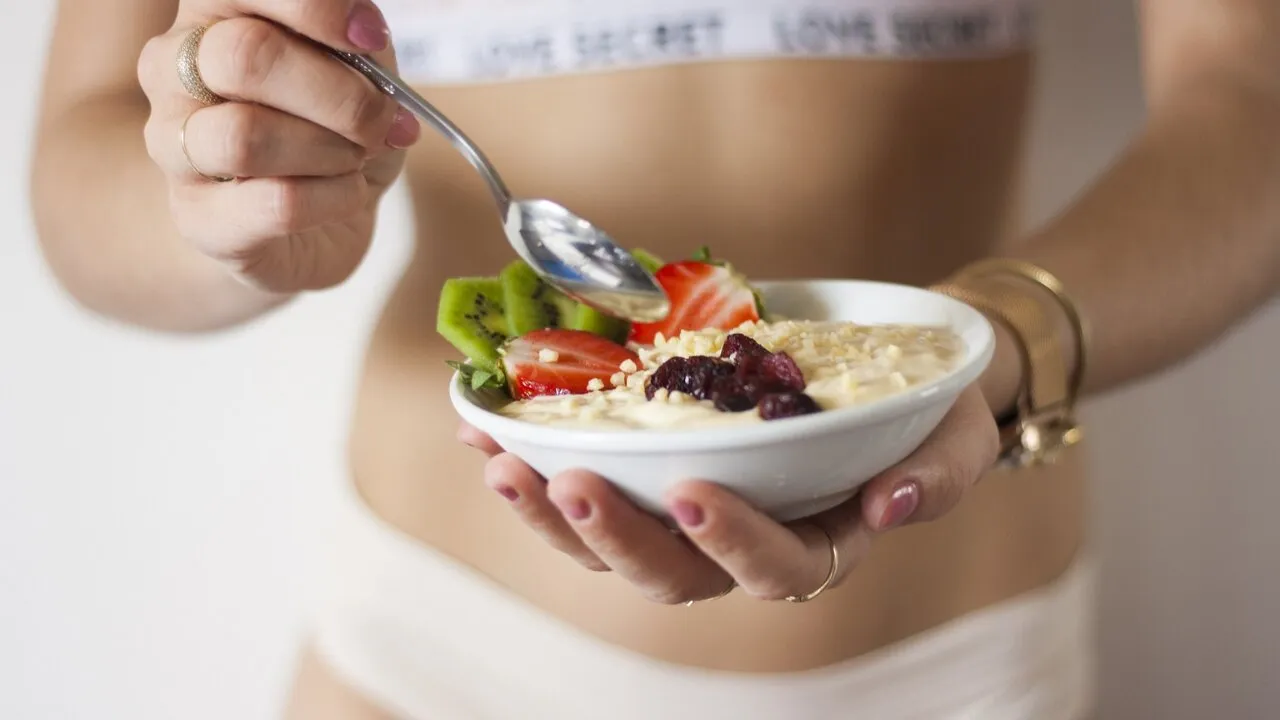
Your Kitchen Is a Mirror of How You Show Up in Life
You have goals. Big ones. You have a vision for your career, your creative projects, your legacy. You spend time thinking about purpose, about alignment, about doing work that actually matters. And yet there is a good chance you have not connected the dots between what you eat and how powerfully you pursue the things you care about most.
I am not here to lecture you about nutrition labels or guilt you into giving up your favorite comfort food. What I want to talk about is something deeper. The way you feed yourself is one of the most revealing indicators of how seriously you take your own life. Not in a punishing way. In a purposeful way. When you start treating meals as an act of intention rather than an afterthought, something shifts in every other area of your life too.
Plant-based eating, when approached with curiosity and creativity rather than restriction, becomes less about what you are giving up and more about what you are building. It becomes a daily practice of showing up for yourself. And if you are someone who is already working on living with more passion and direction, this might be the missing piece you did not know you needed.
Have you ever noticed how the way you eat shifts when you are deeply aligned with a project or goal you love?
Drop a comment below and let us know how your energy and focus change when you are intentional about food.
Why Purpose-Driven Women Need to Rethink the Way They Fuel
Here is what nobody tells you about ambition. It is expensive, energetically speaking. The kind of focus required to build something meaningful, to stay disciplined on a creative project, to push through the unglamorous middle stages of any worthwhile goal, that demands consistent, high-quality fuel. And most of us are running on caffeine, convenience, and whatever we can grab between meetings.
Research from the Harvard Health Blog consistently shows that plant-rich diets are associated with better cognitive function, more stable energy levels, and reduced inflammation. Translation: the foods that come from the earth are the same ones that help you think more clearly, create more freely, and sustain your effort over the long haul.
This is not about perfection. It is about recognizing that your body is the vehicle through which every single one of your dreams gets executed. You would not put low-grade fuel in a car you were counting on for a cross-country drive. The same logic applies here.
7 Ways to Turn Plant-Based Eating Into a Purpose Practice
1. Start with the simplest possible act of self-respect.
Grab a piece of fruit. That is it. An apple, a banana, a handful of berries. It sounds almost too simple to matter, but this is the point. Purpose is not built in grand gestures alone. It is built in the micro-decisions you make when nobody is watching. Choosing to eat something that actually nourishes you, even when you are busy, even when it would be easier to skip it, is a small but meaningful vote for the version of yourself who is going somewhere.
The women I know who are doing extraordinary things in their careers and creative lives almost always have one thing in common. They do not neglect the basics. They know that getting what matters done starts with how you treat yourself in the quiet moments.
2. Make meal prep a weekly ritual of commitment to your goals.
Sunday meal prep is not just a health hack. It is a statement. It says, “I am planning for a week where I show up as my best self.” Chop your vegetables, your carrots, bell peppers, cucumbers, broccoli, and store them in clear containers with hummus ready to go. When hunger hits midweek and you are deep in a project, you will not have to break your flow to figure out food. You already handled it. That is what intentional living looks like in practice.
Think of it this way. Every hour you spend meal prepping on Sunday is an hour of focused, uninterrupted creative energy you are banking for later. It is not glamorous, but neither is most of the work that actually moves the needle.
3. Use leftovers as a creativity exercise.
Here is something I love about plant-based cooking. It forces you to get creative. Last night’s roasted vegetables become today’s soup with some veggie broth, spices, and a squeeze of lemon. That little bit of leftover rice or quinoa becomes a stir-fry with whatever is in the fridge. This kind of resourceful thinking, making something wonderful from what is already available, is the exact same skill you need in business, in art, in life.
According to the American Psychological Association, creative problem-solving is strengthened through practice in low-stakes environments. Your kitchen is one of the best training grounds you have. The constraints of working with what is on hand (rather than running to the store for a complicated recipe) teach you to innovate under pressure. That transfers directly to your work.
4. Build a sandwich that reflects your standards.
A veggie wrap loaded with hummus, baby spinach, roasted red peppers, avocado, and sprouts, drizzled with balsamic, is not a compromise. It is a choice. And the quality of your choices, in food, in work, in relationships, communicates something to your own subconscious about what you believe you deserve.
I know that sounds like a lot of weight to put on a sandwich. But the women who are genuinely living with purpose tend to be the ones who refuse to cut corners, even on the small things. Excellence is a habit, not an event.
Finding this helpful?
Share this article with a friend who is building something meaningful and could use a reminder to take care of herself along the way.
5. Keep a trail mix stash as your emergency purpose fuel.
Almonds, shredded coconut, dried mango, dark chocolate chunks, hemp seeds. Keep a bag in your workspace, your car, your purse. This is not about being the kind of person who always has snacks (though that is a nice bonus). This is about eliminating the decision fatigue that drains your energy for the work that actually matters.
Every decision you make throughout the day, what to eat, what to wear, how to respond to that email, draws from the same finite pool of mental energy. When you remove food decisions by having a nourishing option already within reach, you free up that energy for the choices that move your purpose forward. This concept of breaking self-sabotaging patterns applies just as much to how you eat as to how you work.
6. Cook something that excites you, not because you should, but because creation is the point.
A quick stir-fry with coconut aminos, colorful vegetables, sesame seeds, and cashews over quinoa is more than dinner. It is a ten-minute act of creation. You are combining flavors, adjusting as you go, making something from separate ingredients that becomes greater than the sum of its parts. Sound familiar? It should. That is exactly what you do when you are building a business, writing a book, or designing a life you are proud of.
Do not underestimate the value of creating something with your hands at the end of a long day spent in your head. It grounds you. It reminds you that you are capable of producing tangible, beautiful things. And that matters more than most people realize.
7. End the day with something sweet that you made yourself.
Melt half a cup of coconut oil, whisk in vanilla extract, your favorite liquid sweetener, sifted cacao powder, and a pinch of sea salt. Dip strawberries in it. That is it. Five ingredients, five minutes, and you have created something genuinely delightful.
There is a lesson in this that extends far beyond dessert. The things that feel indulgent and luxurious do not have to be complicated or expensive. They just have to be intentional. The same is true of a meaningful career, a fulfilling creative practice, or a life lived on your own terms. Simple ingredients, arranged with care, become something extraordinary.
The Connection Between How You Eat and How You Create
A study published in the Frontiers in Nutrition journal found that higher fruit and vegetable consumption is linked to greater curiosity, creativity, and overall psychological well-being. This is not a coincidence. When your body is not fighting inflammation, processing heavy foods, or managing energy crashes, your mind is free to do what it does best. Create, strategize, dream, and build.
The women I admire most, the ones who seem to operate with this quiet, steady fire, almost always have a thoughtful relationship with food. Not obsessive, not restrictive, but intentional. They treat eating as part of the infrastructure of their ambition, not as an afterthought or a source of guilt.
If you have been feeling stuck in your purpose, if the passion feels dimmer than it used to, consider looking at the most basic layer of your daily life first. Not your vision board, not your five-year plan, but your plate. Sometimes the most powerful shift starts in the kitchen.
You do not have to overhaul everything overnight. Start with one of these seven approaches this week. Notice how your energy shifts, how your focus sharpens, how the afternoon slump that usually derails your best work starts to fade. Your purpose deserves a body that can keep up with it. And feeding yourself well, with creativity and care, is one of the most grounded, practical ways to honor the life you are building.
Common Questions About Plant-Based Eating and Living With Purpose
Can changing what I eat really affect my productivity and focus?
I am too busy building my business to meal prep. Is it worth the time?
How do I stay motivated to eat well when I am stressed or overwhelmed?
Does plant-based eating have to be all or nothing?
What if I do not consider myself creative in the kitchen?
We Want to Hear From You!
Tell us in the comments which of these seven approaches you are trying first, and how it connects to the bigger thing you are building right now.
Read This From Other Perspectives
Explore this topic through different lenses