The Discomfort of Growth Is Not a Sign to Stop
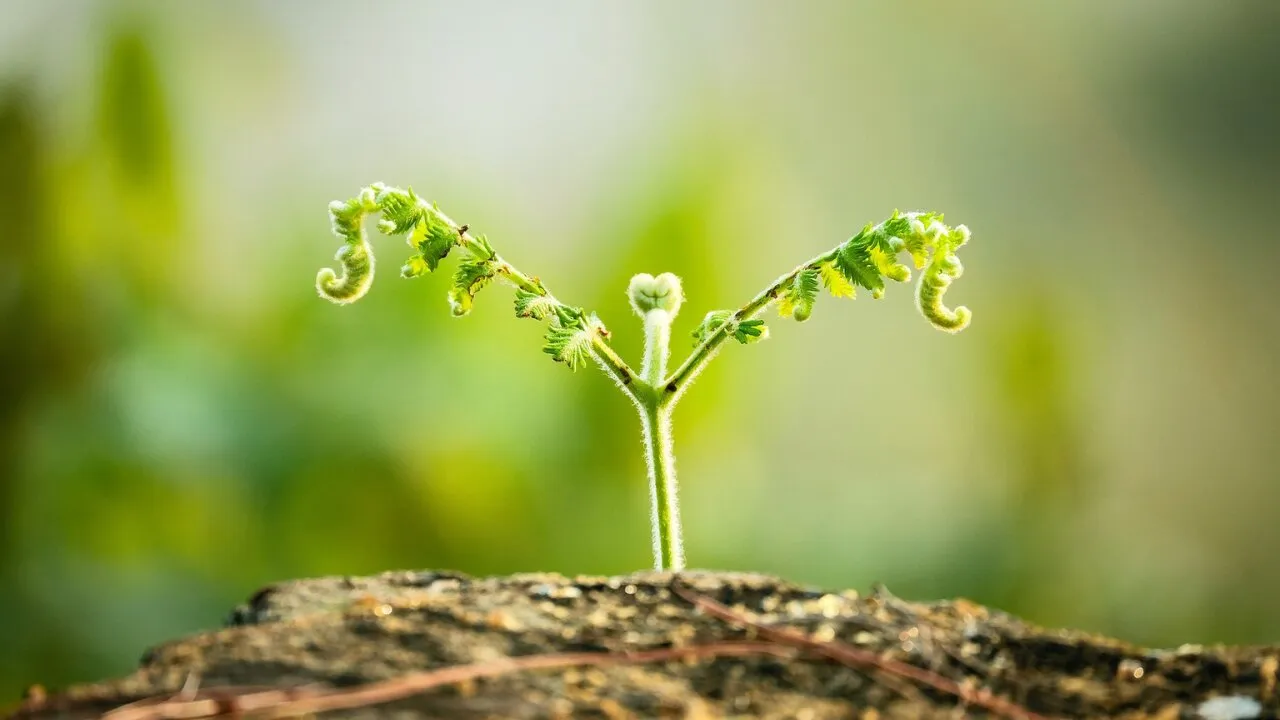
There is a moment in every ambitious pursuit where the excitement fades and the real work begins. The goal that once lit you up now feels heavy. The project that sparked inspiration has become a grind. And somewhere in that gap between enthusiasm and achievement, a quiet voice whispers: maybe this is not for me.
If you have ever felt that pull to quit right when things get hard, you are not broken. You are not weak. You are simply standing in the most misunderstood phase of growth, the phase that separates those who dream from those who actually build the life they have been imagining.
The discomfort of growth is not a warning sign. It is a mile marker. And learning to recognize it for what it truly is can change everything about how you pursue your goals.
Why Growth Always Feels Uncomfortable
Your brain is wired to protect you. Neuroscience research confirms that the amygdala, the part of the brain responsible for threat detection, does not distinguish well between genuine physical danger and the psychological vulnerability of trying something new. According to research published in Psychology Today, when we push past familiar patterns, our stress response activates as though we are in real danger, flooding us with cortisol and triggering the urge to retreat.
This is why starting a new business feels terrifying. Why writing a book feels impossible around chapter three. Why training for a competition becomes soul-crushing long before the event arrives. Your nervous system is doing exactly what it was designed to do: keeping you safe inside the known.
But safe and successful are rarely found in the same place.
I learned this firsthand during 15 years as a competitive martial artist, traveling the world and competing in karate tournaments. Every single training cycle followed the same pattern. The beginning was electric. I would map out my plan, set clear goals, buy fresh gear, build playlists, and dive into new techniques with my coaches. Everything felt alive with possibility.
And then, inevitably, the wall arrived.
The Wall: That Moment When Everything Tells You to Quit
It always came in the middle. The novelty had worn off. The tournament was still months away. I was training alone in the dark, in a park, on a Saturday night in the middle of winter while everyone else was out living what looked like a much more enjoyable life. Running the same drills for the thousandth time. No coach beside me, no crowd watching, no competitor pushing me. Just me and the work.
And the thoughts would start creeping in:
“I would love to be asleep right now. I miss my friends. What am I even doing with my life? This is not living. This is painful.”
Perhaps you recognize this moment. Maybe for you it is not a training field but a creative project that has lost its spark. A business plan that looked brilliant on paper but now feels impossible in execution. A personal transformation, whether it is a fitness journey, a career pivot, or a commitment to deeper self-care, that suddenly feels like too much effort for uncertain reward.
The specifics change. The experience does not.
Have you ever been right in the middle of pursuing something meaningful and suddenly felt the overwhelming urge to quit?
Drop a comment below and let us know what you were working toward and how you handled that moment.
Reframing Discomfort as a Stage, Not a Signal
Early in my martial arts career, I took those painful thoughts seriously. I believed them. They caused real stress, real self-doubt, and made me resist pushing forward because I interpreted the discomfort as evidence that I was on the wrong path.
But after experiencing the exact same cycle every single tournament for over a decade, and then spending another ten years coaching other high performers through their own versions of it, something became undeniably clear.
The discomfort is not a sign you should stop. It is a predictable, inevitable stage in every meaningful pursuit. It is not personal. It is structural.
Research from Harvard Business Review on growth mindset confirms that people who understand struggle as part of the learning process (rather than evidence of inadequacy) consistently outperform those who interpret difficulty as a sign they lack ability. The discomfort is not telling you something is wrong. It is telling you something is working.
Think about it this way. It would not be called a comfort zone if leaving it felt comfortable. The very definition requires that departure feels uneasy. So instead of treating that unease as a red flag, what if you treated it as confirmation that you are doing exactly what growth demands?
The Real Stages of Every Meaningful Achievement
After years of living this cycle and guiding others through it, I have come to see that success follows a remarkably consistent path:
Stage 1: Clarity
You get clear on what you want. The vision is vivid. The motivation is high. You feel certain this is the right direction.
Stage 2: Release
You let go of the fears and doubts that surface immediately. You choose courage over comfort and take the first steps.
Stage 3: Action
You begin. You plan, prepare, and execute. The early momentum carries you forward with energy and excitement.
Stage 4: The Wall
The discomfort arrives. Doubt floods in. The work feels tedious, pointless, or overwhelming. Every part of you wants to quit. This is where most people stop.
Stage 5: Surrender and Persistence
You do what is within your control. You release what is not. You keep showing up, not because it feels good, but because you understand the process. And you find ways to bring lightness back into the work.
Stage 6: Trust
Something shifts. You begin to trust the process itself. The resistance softens. Flow returns, deeper and more resilient than the initial excitement ever was.
Stage 7: Achievement
You arrive. Not just at the goal, but as a changed person. Someone who has been forged by the very discomfort you once wanted to escape.
The revelation is simple but powerful: the moment you want to quit is just Stage 4. It is not the end of the story. It is the middle. And recognizing it as a stage rather than a verdict changes everything about how you respond to it.
Finding this helpful?
Share this article with a friend who might need it right now.
How to Move Through Discomfort Instead of Running From It
Knowing the discomfort is normal is one thing. Actually navigating it in the moment is another. Here is the approach that has served me and the women I have coached through some of their most challenging growth periods.
Feel It and Name It
When the resistance hits, do not push it away or pretend it is not there. Name what you are feeling out loud or on paper. “I feel exhausted by this.” “I feel doubt about whether this will work.” “I feel resentful that this is so hard.” Research on affect labeling shows that simply naming an emotion reduces its intensity. The act of articulating what you feel creates a small but meaningful distance between you and the emotion, enough space to choose your next move consciously rather than reactively.
Know It Is Part of the Process
Remind yourself, firmly and without drama: “This is normal. This is Stage 4. This does not mean I should stop. This means I am exactly where every person who has ever achieved something meaningful has stood.” The discomfort is not evidence of failure. It is evidence of progress. You would not feel this resistance if you were not genuinely stretching beyond who you have been.
Do the Next Right Thing
You do not need to feel inspired to take action. You do not need to see the entire path clearly. You just need to do the next thing that is within your control. Send the email. Write the paragraph. Complete the rep. Show up to the meeting. Action in the presence of doubt is one of the most powerful things a person can do, because it teaches your nervous system that discomfort is survivable.
Release What You Cannot Control
Part of what makes the discomfort stage so heavy is the weight of outcomes. Will it work? Will people like it? Will it be worth the sacrifice? These questions are unanswerable in the middle of the process. Let them go. Focus entirely on effort and execution. The results will come, but only if you stay in the work long enough to let them.
Bring Back the Lightness
Growth does not have to be grim. Once you have named the discomfort and committed to continuing, actively seek ways to make the process enjoyable again. Change your environment. Work alongside someone you admire. Revisit your original vision and reconnect with why this mattered to you in the first place. Celebrate small wins. The journey is long, and simplifying your approach often brings the spark back.
The Resistance Is Proportional to the Reward
Here is something that took me years to fully understand: the greater the resistance you feel, the more potential for transformation exists on the other side.
Small changes produce small discomfort. Life-altering changes produce profound discomfort. If you are feeling massive resistance, massive doubt, massive urges to quit, that is not a sign you have chosen wrong. It is a sign you have chosen something big enough to genuinely change your life.
The doubts and fears that surface during growth are not you. They are not your intuition telling you to stop. They are the natural, predictable response of a nervous system encountering the unknown. They are signposts, not stop signs. And every woman who has ever built something extraordinary has stood exactly where you are standing and chosen to keep going.
A woman who can own every stage of the creative process, including the ugly, uninspired, doubt-filled middle, reaches a kind of grace that cannot be manufactured. It can only be earned by walking through the fire and discovering that you are still whole on the other side.
So the next time you hit the wall, do not panic. Do not quit. Name it. Know it. And then do the next thing. Because Stage 5 is waiting for you, and it is where the magic starts to return.
We Want to Hear From You!
Tell us in the comments which stage you are in right now and what is helping you push through.