Your Body Keeps the Score: How Hidden Beliefs Sabotage Your Health Goals

You started the year with a plan. Maybe it was finally sticking to a consistent exercise routine, improving your sleep, cutting back on sugar, or simply taking better care of yourself. You felt motivated, energized, ready. And then, somewhere around week three, something shifted. You skipped a workout. Then another. The meal prep stopped. The early bedtimes slipped. And before you knew it, you were right back where you started, wondering what went wrong.
If this sounds painfully familiar, I want you to take a deep breath and release every ounce of guilt you’re carrying about it. Because here’s the truth that most wellness advice completely overlooks: the reason you can’t seem to stick to healthy habits has very little to do with willpower, discipline, or motivation. It has everything to do with what’s happening beneath the surface of your conscious mind.
The 95% of Your Mind That’s Running the Show
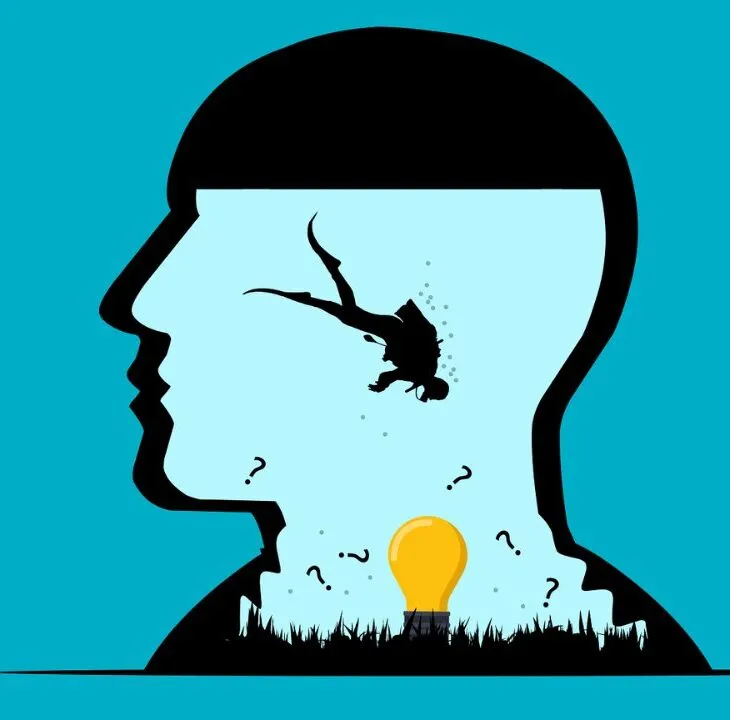
Here’s a fact that might surprise you. According to cognitive neuroscience research, your conscious mind (the part that sets intentions, makes plans, and decides “I’m going to eat more vegetables”) is only responsible for roughly 5% of your daily cognitive activity. The other 95%? That’s your subconscious mind, quietly running the show from behind the curtain.
Your subconscious holds your deepest beliefs, emotional patterns, ingrained habits, and survival responses. It was largely programmed during your earliest years, absorbing messages from your caregivers, your environment, and your experiences about what’s safe, what’s possible, and what you deserve. And when it comes to your health and wellness, those old programs are often the invisible force pulling you away from the very things you say you want.
Think about it this way. Your conscious mind says, “I want to be healthy and strong.” But if your subconscious holds a belief like “taking care of myself is selfish” or “I don’t deserve to feel good in my body,” those two parts of you are in direct conflict. And in that battle, the subconscious wins nearly every time. Not because you’re weak, but because it’s simply more powerful.
Have you ever noticed a pattern where you self-sabotage just when you’re starting to feel good in your body?
Drop a comment below and let us know what health habit has been hardest for you to stick with.
How Subconscious Beliefs Show Up in Your Body
The mind-body connection isn’t just a wellness buzzword. It’s a well-documented reality. Your subconscious beliefs don’t just affect your thoughts and behaviors; they physically manifest in your body. Chronic stress held in tight shoulders. Digestive issues that flare up when you’re anxious. Fatigue that no amount of sleep seems to fix.
Research published in the American Psychological Association’s resources on stress shows that emotional and psychological stress directly impacts nearly every system in your body, from your immune function to your cardiovascular health. When you’re carrying unresolved beliefs about your worth, your safety, or your right to take up space, your nervous system stays in a low-grade state of fight or flight. And a body stuck in survival mode is not a body that thrives.
This is why you can follow the “perfect” diet, take all the right supplements, and still feel exhausted. This is why you can know exactly what you should be doing for your health and still find yourself reaching for comfort food at 10 p.m. or scrolling your phone instead of sleeping. Your body is responding to internal programming that your conscious mind isn’t even aware of.
Three Ways to Uncover the Beliefs Blocking Your Wellness
The good news is that you’re not stuck. Once you understand that hidden beliefs are at the root of your health struggles, you can start the real work of bringing them to light. Here are three approaches that I’ve found genuinely transformative, not just for changing habits, but for changing the inner landscape that creates those habits in the first place.
1. Track Your Body’s Signals, Not Just Your Symptoms
Most of us have been trained to think of our bodies as machines that need fixing. Headache? Take a pill. Tired? Drink coffee. Gaining weight? Eat less, move more. But your body is constantly communicating with you, and those symptoms are often messages from your subconscious that something deeper needs attention.
Start paying attention to when your body tenses up, shuts down, or acts out. Notice the situations that trigger physical responses. Does your stomach knot up before social events? Do you get headaches every Sunday evening before the work week? Does your appetite disappear when you feel overwhelmed, or do you find yourself eating past the point of fullness when you’re lonely?
Keep a simple body awareness journal for two weeks. Each evening, note what physical sensations you experienced during the day and what was happening emotionally at the time. Patterns will emerge, and those patterns are clues pointing directly to the subconscious beliefs driving your health behaviors. This kind of self-awareness practice can be the foundation for real, lasting change.
2. Use the “Why” Ladder to Find the Root
When you catch yourself falling off a health habit, resist the urge to simply recommit harder. Instead, get curious. Ask yourself why, and then keep asking.
Let’s say you’ve been avoiding exercise even though you genuinely want to move your body more. Sit with it and start digging.
“Why don’t I want to go to the gym?”
“Because I feel uncomfortable there.”
“Why do I feel uncomfortable?”
“Because I feel like people are watching me and judging my body.”
“Why does that bother me so much?”
“Because I believe my body isn’t acceptable the way it is.”
“Where did that belief come from?”
“My mother was always on a diet and made comments about my weight as a teenager.”
Now you’re somewhere real. The issue was never about the gym, the schedule, or your fitness level. It was about a deeply held belief that your body is something to be ashamed of. No workout plan in the world can override that until you address it directly.
This technique is similar to what therapists call “downward arrow” questioning, and it’s remarkably effective at exposing the beliefs that sit beneath surface-level health struggles. You can use it for anything: why you can’t sleep, why you keep canceling doctor’s appointments, why you turn to food for comfort, or why rest feels impossible.
Finding this helpful?
Share this article with a friend who might need it right now.
3. Let Your Body Speak Through Free Writing
Sometimes the most powerful thing you can do for your health doesn’t happen in a gym or a kitchen. It happens with a pen and a blank page.
Free writing, sometimes called stream-of-consciousness journaling, is one of the simplest ways to access what your subconscious mind is holding onto. The practice is straightforward: sit down, set a timer for 10 to 15 minutes, and write without stopping, editing, or censoring yourself. Let whatever comes out flow onto the page.
You might start with a prompt like, “What does my body need me to know?” or “What am I really feeling about my health right now?” And then just write. Don’t worry about grammar, logic, or whether it makes sense. The point is to bypass your conscious mind’s tendency to filter and control, and let the deeper truths rise to the surface.
Research by psychologist James Pennebaker has shown that expressive writing can reduce stress, improve immune function, and even lead to fewer doctor visits. It’s not magic. It works because when you give your subconscious a voice, you release the emotional tension that’s been stored in your body. And a body that isn’t carrying the weight of unexpressed beliefs and emotions is a body that can actually heal, rest, and thrive.
You might be amazed by what surfaces. Grief you didn’t know you were still holding. Anger at yourself for not being “enough.” Fear of what would actually happen if you let yourself be healthy and happy. These aren’t comfortable discoveries, but they are the ones that change everything.
Why This Matters More Than Any Diet or Workout Plan
The wellness industry is worth billions of dollars, and it thrives on the assumption that if you just find the right program, the right supplement, the right routine, you’ll finally get the results you want. But the truth is that no external solution can fix an internal conflict.
If you believe deep down that you don’t deserve to feel good, you will unconsciously sabotage every attempt to improve your health. If your nervous system learned in childhood that the world isn’t safe, no amount of meditation apps will convince your body to fully relax. If you internalized the message that your needs don’t matter, you will always put yourself last, no matter how many self-care articles you read.
This isn’t about blaming your past or your parents. It’s about understanding that you are not broken for struggling with your health. You are simply running on outdated programming that no longer serves you. And the moment you start to see that, really see it, is the moment everything begins to shift.
Gentle Steps Forward
Rewiring subconscious beliefs isn’t an overnight process, and it doesn’t require perfection. What it requires is patience, curiosity, and a willingness to be honest with yourself about what’s really going on beneath the surface.
Start small. Choose one of the three practices above and commit to it for just one week. Pay attention to what comes up without judging it. If strong emotions surface, let them. Your body has been waiting for permission to release what it’s been carrying.
And if you find that the beliefs running your health behaviors are deeply rooted or overwhelming, consider working with a therapist, somatic practitioner, or mindset coach who specializes in the mind-body connection. There is no shame in asking for support. In fact, recognizing what’s truly holding you back and reaching out for help is one of the bravest, most health-affirming things you can do.
Your body wants to feel good. Your mind wants to be free. And you deserve both. The path forward isn’t about pushing harder. It’s about going deeper.
We Want to Hear From You!
Tell us in the comments which tip resonated most with you.
Read This From Other Perspectives
Explore this topic through different lenses