What Building a Personal Brand Actually Does to Your Body (and How to Undo the Damage)
Let’s talk about something that nobody in the personal branding space wants to acknowledge. While everyone is busy optimizing their content calendars and perfecting their Instagram grids, their bodies are quietly falling apart. Disrupted sleep. Chronic neck and shoulder tension. Cortisol levels that have not returned to baseline in months. Digestive issues that started “out of nowhere” right around the time the business took off.
I see this pattern constantly. Someone builds something incredible online, gains traction, starts making real money, and then wonders why they feel terrible all the time. They chalk it up to “just being busy” or tell themselves they will rest when they hit the next milestone. But the body does not negotiate with your business plan. It keeps score whether you are paying attention or not.
Here is the thing most business coaches will never tell you: your personal brand is a health decision. Every late night editing content, every meal skipped because you were on a call, every rest day sacrificed for a launch is making a withdrawal from a finite account. And the interest rate on that debt is brutal.
The Nervous System Toll of Being “Always On”
When your business is built around who you are, your nervous system never fully gets the signal that work is over. You are not clocking out and leaving an office. You are living inside your workplace, and your brain knows it.
Research from the American Psychological Association has consistently shown that chronic work-related stress contributes to cardiovascular problems, weakened immune function, and increased inflammation. For entrepreneurs and personal brands, this stress is compounded by the fact that professional rejection feels deeply personal. A post that flops is not just a marketing miss. It feels like YOU flopped.
This keeps your sympathetic nervous system activated far longer than it was ever designed to be. Your body stays in a low-grade fight-or-flight state, pumping out cortisol and adrenaline while suppressing the functions it considers “non-essential” in an emergency: digestion, tissue repair, immune surveillance, reproductive health. Your body is essentially triaging, and the things that keep you healthy long-term are the first to get deprioritized.
If you have noticed that you get sick every time you finish a big launch, that is not a coincidence. Your immune system was suppressed during the push and only started catching up once the acute stress passed. Your body was whispering the whole time. You just could not hear it over the notifications.
When was the last time you felt genuinely rested, not just “not working”?
Drop a comment below and be honest. Sometimes naming it is the first step toward changing it.
Your Sleep Is Probably the First Thing That Went
I want you to think back to before you started building your brand. How did you sleep then versus now? If the answer makes you uncomfortable, you are not alone.
Sleep is almost always the first casualty of entrepreneurship. You stay up late working on “just one more thing.” You scroll your phone in bed checking engagement. Your mind races through tomorrow’s to-do list the moment your head hits the pillow. And then your alarm goes off and you power through on caffeine, telling yourself you will catch up on sleep this weekend.
But sleep debt does not work like financial debt. You cannot make a lump sum payment on Saturday and call it even. The National Sleep Foundation emphasizes that consistent sleep deprivation affects cognitive function, emotional regulation, metabolism, and hormone balance. For someone running a personal brand, this means your decision-making gets worse, your creativity suffers, your patience thins, and your body starts holding onto weight in ways that confuse you because “nothing changed” in your diet.
Everything changed. Your sleep changed, and sleep touches everything.
Small Shifts That Actually Work
You do not need a complete lifestyle overhaul. You need a non-negotiable wind-down boundary. Pick a time, any time, after which screens related to work are done. Not because some productivity guru told you to, but because your circadian rhythm is begging you to. Start with thirty minutes before bed. Put the phone in another room. Let the comments wait until morning. The world will survive without your reply for eight hours.
What Sitting at a Desk Is Doing to Your Actual Body
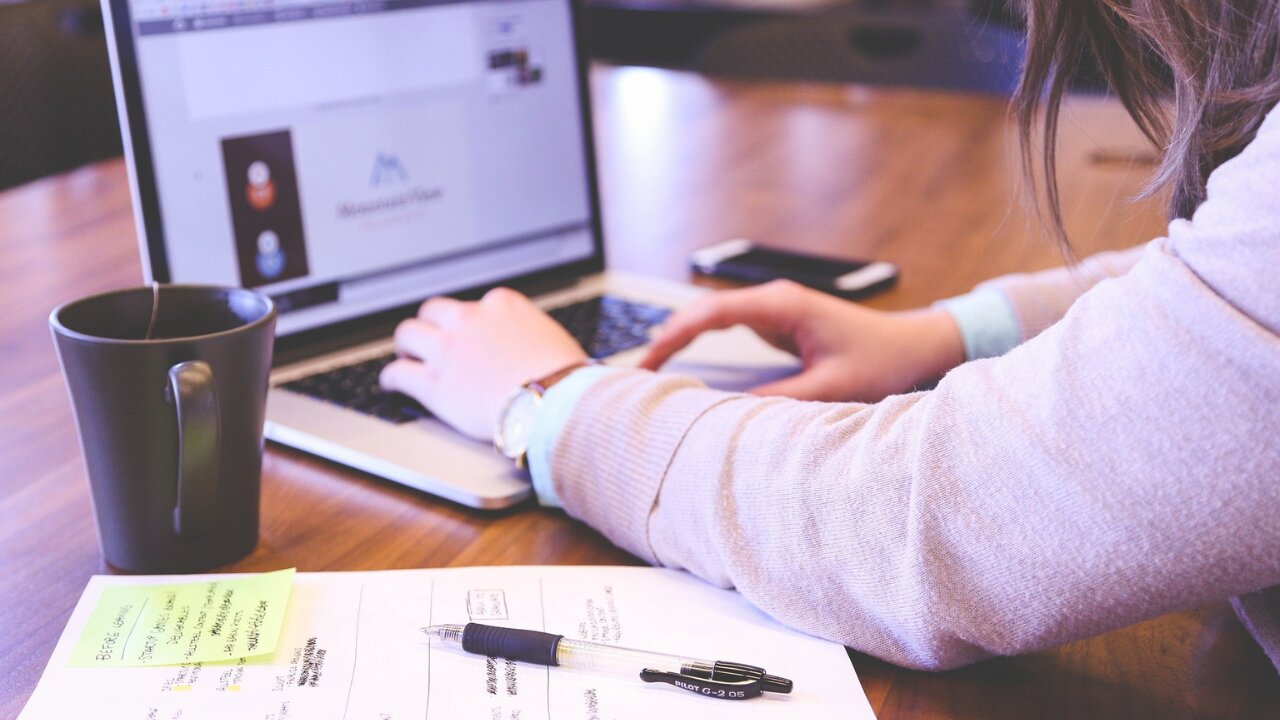
Personal branding in 2026 is largely a sedentary activity. You are sitting to write content, sitting to record videos, sitting on calls, sitting to engage on social media. And the cumulative effect of all that sitting is doing measurable damage that goes far beyond a stiff neck.
Prolonged sitting compresses your hip flexors, weakens your glutes, rounds your shoulders forward, and reduces blood flow to your lower extremities. Over time, this contributes to chronic pain patterns that become your new normal. You stop noticing the tension because it is always there. That headache you attribute to stress? It might be coming from your forward head posture. That lower back ache? Your hip flexors are pulling your pelvis out of alignment from eight hours in a chair.
The fix is not necessarily a gym membership you will abandon in three weeks. It is movement woven into the fabric of your workday. A five-minute walk between tasks. Stretching your hip flexors before you sit down for your next content batch. Standing while you take calls. These micro-movements add up to something significant when they become habitual.
Consider it this way: your body deserves care not just on vacations or weekends, but on every ordinary Tuesday when you are deep in work mode.
Finding this helpful?
Share this article with a friend who is building something online and forgetting to take care of the body doing all the building.
The Nutrition Spiral Nobody Talks About
When you are in work mode, food becomes fuel at best and an afterthought at worst. You skip breakfast because you are in flow. Lunch is whatever you can eat with one hand while the other types. Dinner is ordered in because you do not have the energy to cook after a full day of creating, engaging, and strategizing.
This is not a moral failing. It is a predictable consequence of a lifestyle that rewards output over self-maintenance. But the nutritional deficit catches up with you in ways that directly impact your ability to do the work you love. Blood sugar crashes tank your focus. Inadequate protein intake slows recovery and contributes to that persistent brain fog. Dehydration (because coffee does not count the way you wish it did) affects your concentration and mood.
Research published in the Lancet on nutrition and chronic disease has repeatedly demonstrated the link between dietary patterns and both mental and physical health outcomes. You cannot hack your way around this with supplements and caffeine forever.
The most sustainable approach I have seen work is not meal prepping twelve containers on Sunday. It is simply eating real food at regular intervals. Three meals. Actual plates. Sitting down. It sounds embarrassingly basic, and that is exactly why it works. You do not need another complicated system. You need to build small habits that respect the fact that your body requires consistent nourishment to function.
Mental Health Is Not a Content Category, It Is Your Life
There is a strange irony in the personal brand world where people post beautifully designed graphics about mental health awareness while quietly deteriorating behind the scenes. Anxiety becomes “just how I am.” Comparison spirals become “motivation.” Emotional exhaustion becomes “passion.”
But rebranding your symptoms does not make them go away. If you are experiencing persistent anxiety, disrupted sleep, loss of interest in things you used to enjoy, difficulty concentrating, or a general sense of numbness, those are not quirky entrepreneur traits. Those are signals that your mental health needs attention.
The isolation factor compounds this. Building a personal brand can be profoundly lonely work. You make decisions alone, you process rejection alone, and the highlight reel you present online creates a gap between your public persona and your private experience that gets wider over time. That gap is exhausting to maintain.
Therapy is not a luxury for personal brand builders. It is as essential as your wifi connection. Having one space where you are not performing, not optimizing, not “showing up” for an audience, is critical for your psychological survival. If therapy is not accessible right now, at minimum find one person in your life who gets to see the unfiltered version of you. Someone with whom you can drop the brand entirely and just be a human having a hard time.
Building a Brand That Your Body Can Actually Sustain
None of this means you have to choose between your health and your ambitions. It means you have to stop treating your health as something you will get to once the business is stable. The business will never feel stable enough for that. There will always be another launch, another opportunity, another reason to push through.
Start with an honest audit. Not of your business metrics, but of your body. How are you sleeping, really? What does your energy look like throughout the day? Where are you holding tension? When was your last proper medical check-up? What are you eating, and when? How often do you move in ways that are not just walking to your desk?
Then pick one thing. Not five things. One. The one that feels most urgent, most doable, most likely to create a ripple effect. Maybe it is a bedtime boundary. Maybe it is a daily walk. Maybe it is finally booking that appointment you have been postponing for six months.
Your personal brand can only be as strong as the person behind it. And that person, the one reading this right now, is a body that needs sleep, movement, nourishment, rest, and care. Not eventually. Not after the next launch. Now.
The most radical thing you can do for your brand is to take your health seriously before your body forces you to.
We Want to Hear From You!
Tell us in the comments: what is the one health habit that took the biggest hit when your brand started growing? Let’s get honest about it.
Read This From Other Perspectives
Explore this topic through different lenses