Vegan Ginger and Coconut Cookies That Actually Taste Like a Treat
A Cookie Worth Making (and Eating)
Let’s talk about cookies. Not the sad, dry, “healthy” kind that taste like cardboard with good intentions. I’m talking about cookies that make you close your eyes when you take that first bite. Cookies that smell like the holidays. Cookies that happen to be vegan, but nobody would ever guess it.
These vegan ginger and coconut cookies are exactly that. They’re chewy in the middle, slightly crisp on the edges, and packed with warming spices that make your kitchen smell like a cozy winter evening. The best part? You can eat them without that heavy feeling of guilt weighing you down afterward.
I developed this recipe because I was tired of choosing between flavor and feeling good about what I eat. According to Harvard Health, plant-based eating doesn’t mean sacrificing enjoyment. It means getting creative with ingredients that nourish your body while still satisfying your soul. These cookies prove that point perfectly.
Why This Recipe Works
What makes these cookies special isn’t just what’s in them, but what’s not in them. No eggs, no butter, no refined white sugar. Instead, we’re using whole food ingredients that bring both flavor and nutrition to the table.
The ginger provides that signature warmth and kick. If you’ve been curious about transitioning to a plant-based diet, baking is honestly one of the easiest places to start. Swapping out a few ingredients doesn’t change the experience of biting into a freshly baked cookie. It just makes you feel better afterward.
The coconut adds texture and a subtle sweetness that pairs beautifully with the molasses. Speaking of molasses, blackstrap molasses is the secret weapon here. It’s not just for flavor. According to the USDA Nutrient Database, blackstrap molasses contains iron, calcium, magnesium, and potassium. So yes, you’re essentially getting minerals while eating cookies. I love that for us.
What’s your go-to comfort food during the colder months?
Drop a comment below and let us know your favorite cozy treats to bake!
The Ingredients You’ll Need
One of my favorite things about this recipe is that you probably already have most of these ingredients in your pantry. No specialty health food store trips required. No obscure powders that cost half your grocery budget. Just simple, wholesome ingredients that come together beautifully.
For the Cookie Base
- 2 cups whole wheat flour (or gluten-free flour blend for my GF friends)
- 1/2 cup demerara sugar (the larger crystals add a slight crunch)
- 3 tablespoons blackstrap molasses (this is non-negotiable for that deep, rich flavor)
- 3 tablespoons coconut milk (full-fat works best, but any plant milk will do)
- 1 teaspoon ground cinnamon
- 1 teaspoon ground ginger (or a 2cm cube of fresh ginger for extra intensity)
- 1 teaspoon baking soda
- A pinch of fine sea salt
- Unsweetened coconut shreds for topping
Optional Add-Ins
Once you’ve mastered the base recipe, feel free to experiment:
- A handful of vegan dark chocolate chips
- Chopped crystallized ginger for texture
- A drizzle of tahini mixed into the dough
- Orange zest for a citrusy brightness
Understanding Your Ingredients
Let’s take a moment to appreciate what each ingredient brings to these cookies. This isn’t just about following a recipe. It’s about understanding why certain ingredients work together and how they benefit your body.
The Power of Ginger
Ginger has been used for thousands of years, both as a spice and for its wellness properties. Research published in the International Journal of Preventive Medicine highlights ginger’s traditional uses for digestive support and its anti-inflammatory compounds. In cookies, ginger provides that warming sensation that feels like a hug from the inside.
When you’re celebrating the holidays, having treats that actually support your wellbeing makes the season feel even more special.
Coconut: More Than Just Flavor
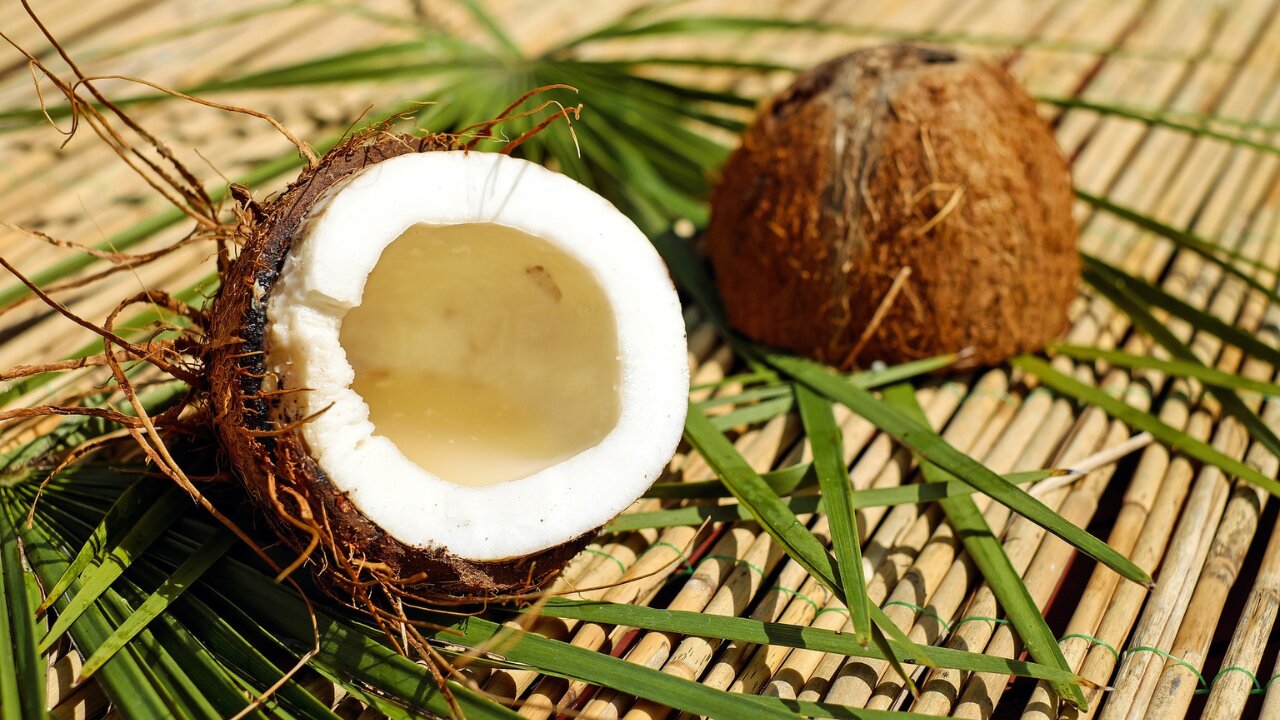
The coconut in this recipe does double duty. Coconut milk creates moisture and richness in the dough without dairy, while coconut shreds on top add visual appeal and a satisfying texture contrast. Coconut contains medium-chain triglycerides (MCTs), which your body processes differently than other fats.
Blackstrap Molasses: The Unsung Hero
Don’t sleep on blackstrap molasses. This thick, dark syrup is what remains after sugar cane has been processed. Unlike refined sugar, it retains the minerals from the original plant. It gives these cookies their distinctive deep, almost caramel-like flavor while providing iron (particularly important for women) and other minerals.
Finding this helpful?
Share this article with a friend who might need it right now.
Step by Step Instructions
Alright, let’s get into the actual baking. Put on your favorite playlist, pour yourself something warm to drink, and let’s make some magic happen in your kitchen.
Step 1: Prep Your Oven and Pan
Preheat your oven to 180°C (350°F). Line a baking sheet with parchment paper or a silicone baking mat. This prevents sticking and makes cleanup so much easier.
Step 2: Combine Your Wet Ingredients
In a small bowl or measuring cup, whisk together the coconut milk and blackstrap molasses until they’re fully combined. If you’re using fresh ginger instead of ground, this is where it gets incorporated. Grate your fresh ginger finely (or pulse it in a food processor with the wet ingredients) until smooth. Fresh ginger has a brighter, more intense flavor than dried, so use it if you really love that ginger kick.
Step 3: Mix Your Dry Ingredients
In a large mixing bowl, combine the flour, demerara sugar, cinnamon, ground ginger (if using), baking soda, and salt. Whisk these together well to ensure the leavening agent is evenly distributed. This matters because it affects how evenly your cookies rise.
Step 4: Bring It All Together
Create a well in the center of your dry ingredients and pour in the wet mixture. Stir with a wooden spoon or spatula until a soft dough forms. It should be pliable and easy to work with, similar to play-dough consistency. If it feels too dry, add another splash of coconut milk. If it’s too sticky, add a tablespoon more flour.
Step 5: Shape Your Cookies
Using an ice cream scoop (or just your hands), portion out balls of dough about the size of a golf ball. Place them on your prepared baking sheet, leaving about 2 inches between each one. Gently press each ball down with the palm of your hand or the bottom of a glass to flatten slightly. These don’t spread much during baking, so the shape you create now is roughly the shape you’ll end up with.
Step 6: Add the Coconut Topping
Take your coconut shreds and press them gently onto the top of each flattened cookie. This creates that beautiful texture and makes them look bakery-worthy. Don’t be shy with the coconut. It toasts slightly in the oven and becomes wonderfully fragrant.
Step 7: Bake to Perfection
Slide your baking sheet into the preheated oven and bake for 10 to 15 minutes. The exact time depends on your oven and how crispy you like your cookies. For chewier cookies, pull them at the 10-minute mark. For crispier edges, go closer to 15 minutes. The cookies will still be soft when they come out but will firm up as they cool.
Step 8: Cool and Enjoy
Let the cookies cool on the baking sheet for 5 minutes before transferring them to a cooling rack. This prevents them from breaking apart while they’re still warm and delicate. Once cooled completely, store them in an airtight container for up to a week. Though honestly, they rarely last that long.
Tips for Perfect Cookies Every Time
After making these cookies dozens of times, I’ve learned a few tricks that make the difference between good cookies and amazing ones.
Temperature Matters
Make sure your coconut milk is at room temperature before mixing. Cold liquid can make the dough harder to work with and affect how the cookies bake. Just set it out on the counter for 20 minutes before you start.
Don’t Overmix
Once you add the wet ingredients to the dry, mix only until everything is just combined. Overmixing develops the gluten in the flour too much, which can make your cookies tough rather than tender.
Invest in Good Molasses
Not all molasses is created equal. Blackstrap molasses has that deep, robust flavor we’re looking for. Regular or “mild” molasses will work, but your cookies won’t have quite the same richness. Look for unsulphured blackstrap molasses for the best flavor.
Fresh Spices Make a Difference
Ground ginger and cinnamon lose their potency over time. If your spices have been sitting in your cabinet for years, consider replacing them. Fresh spices have a brighter, more intense flavor that really shows in baked goods.
Making These Cookies Your Own
This recipe is just a starting point. Once you’ve made it a few times and understand how the dough behaves, feel free to experiment. Taking ownership of recipes in the kitchen is part of developing your personal style and finding your passion for cooking.
Gluten-Free Variations
For a completely gluten-free version, substitute the whole wheat flour with your favorite gluten-free baking blend. Look for one that contains xanthan gum, which helps bind gluten-free baked goods together. Bob’s Red Mill and King Arthur both make reliable blends.
Lower Sugar Options
If you’re watching your sugar intake, you can reduce the demerara sugar to 1/3 cup. The molasses provides a lot of sweetness on its own, so the cookies will still taste delicious. You could also experiment with coconut sugar as a replacement.
Nut Butter Addition
Adding 2 tablespoons of almond butter or tahini to the wet ingredients creates a richer, slightly nuttier cookie. This also adds protein, making them more satisfying as a snack.
Storing and Sharing
These cookies make wonderful gifts. Stack them in a mason jar tied with ribbon, arrange them in a decorative tin, or pack them in a simple box lined with parchment paper. They travel well and hold up nicely for several days.
For longer storage, you can freeze the baked cookies for up to two months. Layer them between sheets of parchment paper in a freezer-safe container. When you’re ready to enjoy them, let them thaw at room temperature for about 30 minutes, or warm them briefly in a 150°C (300°F) oven.
You can also freeze the unbaked dough balls. Shape them, place them on a baking sheet in the freezer until solid, then transfer to a freezer bag. When the cookie craving strikes, bake them directly from frozen, adding just 2 to 3 extra minutes to the baking time.
The Joy of Mindful Baking
There’s something deeply satisfying about making something with your own hands. In a world where we can order anything to our door in minutes, the act of measuring ingredients, mixing dough, and waiting for cookies to bake is almost meditative. It forces you to slow down and be present.
Baking these cookies can be a form of self-care. Put your phone in another room, focus on the sensory experience of cooking, and give yourself permission to enjoy the process. The end result is just the bonus.
Whether you’re making these for yourself, for your family, or to share with friends, know that you’re creating something with love and intention. That energy goes into the food, and people can taste it.
We Want to Hear From You!
Tell us in the comments how your cookies turned out, or share your favorite flavor variations!