The Body Keeps the Score: How Real Self-Care Rebuilt My Physical and Mental Health From the Ground Up
When My Body Finally Forced Me to Listen
For years, I treated my body like it was just along for the ride. I looked great on the outside, but internally, I was falling apart.
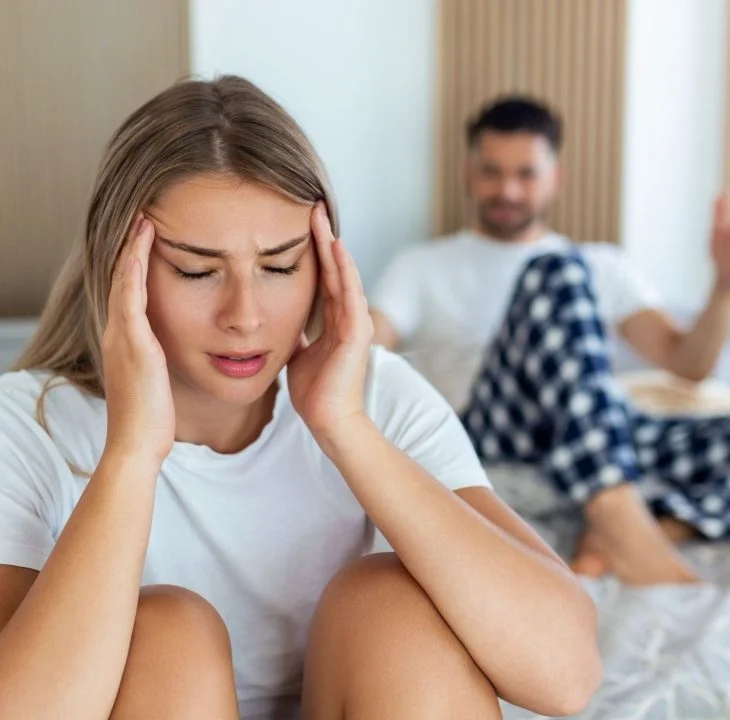
I was the woman with the perfect blowout and the curated outfit who could barely sleep through the night. My anxiety lived in my chest like a permanent weight. I was getting sick constantly, running on caffeine and adrenaline, and calling it “hustle.” My digestive system was a wreck. My skin kept breaking out. And I was so disconnected from my own physical signals that I genuinely did not know when I was hungry, tired, or overwhelmed.
Sound familiar? If you have ever powered through exhaustion, skipped meals because you were too stressed to eat, or ignored every signal your body was sending because you had too much on your plate, you are not alone. According to the American Psychological Association’s annual Stress in America survey, a significant majority of adults report that stress has a direct impact on their physical health, contributing to headaches, fatigue, digestive issues, and sleep disruption. We are literally making ourselves sick by refusing to slow down.
The turning point for me came during a period of intense emotional upheaval. I was simultaneously training to become a mental health therapist and living in a way that completely contradicted everything I was learning. I was teaching clients about nervous system regulation while my own nervous system was in overdrive. I was talking about the mind-body connection in class and then going home to skip dinner, lie awake until 2 a.m., and drag myself through the next day on sheer willpower.
Something had to break. And what broke, thankfully, was the illusion that I could keep treating my body like an afterthought and still function as a whole, healthy person.
Have you ever ignored your body’s warning signs until it forced you to stop?
Drop a comment below and let us know what that wake-up call looked like for you. Your story could be the nudge someone else needs today.
The Myth of “Looking Healthy” vs. Actually Being Healthy
Here is something nobody tells you: looking polished and being well are two completely different things.
During my most unhealthy years, I was a master of external presentation. My nails were done. My workouts were consistent (though driven by anxiety, not actual wellness). I drank green smoothies and posted about them. From the outside, I probably looked like the picture of health.
But underneath that curated surface, my body was keeping a very different score. Chronic insomnia. Frequent colds and infections because my immune system was depleted. Constant stomach issues that I blamed on “sensitive digestion” instead of recognizing as stress responses. Muscle tension so persistent that I did not even notice it anymore. It had become my baseline.
Harvard Health Publishing has documented extensively how chronic stress rewires the gut-brain axis, creating a feedback loop where emotional distress manifests as physical symptoms, and those physical symptoms increase emotional distress. My body was not betraying me. It was trying desperately to communicate with me. I just was not listening.
This disconnect between appearance and actual wellness is something I see constantly, especially among women who have been conditioned to prioritize how they look over how they feel. We learn early that “having it together” means looking put together. But your body does not care about your outfit. It cares about whether you slept, whether you ate something nourishing, whether your nervous system has had a chance to come down from high alert. True health is not about restriction or performance. It is about listening and responding.
What Real Healing Actually Looked Like (It Was Not Pretty)
After I finally acknowledged that my approach to health was completely backwards, I spent months doing the most unglamorous work of my life. No dramatic transformation montage. No 30-day challenge with before and after photos. Just slow, deliberate, sometimes boring rebuilding of my relationship with my own body.
I started with sleep. Not “optimized sleep” with expensive supplements and blue light glasses. Just going to bed at a reasonable hour and letting myself rest. For someone who had spent years wearing her exhaustion like a badge of honor, this felt revolutionary and, honestly, a little uncomfortable. Who was I if I was not the woman who could function on four hours of sleep?
Then I tackled nutrition. Not dieting (I had done plenty of that). Actual nourishment. Learning to eat foods that made my body feel good rather than foods that fit some external standard of “clean eating.” I stopped skipping meals. I started noticing how different foods affected my energy, my mood, my ability to think clearly.
I also had to completely reframe my relationship with exercise. For years, my workouts had been punishment disguised as self-care. I exercised to burn off anxiety, to control my body, to earn the right to eat. Shifting to movement that actually felt good (walks, yoga, dancing in my kitchen) was a process that took months. But when exercise stopped being a transaction and started being something I did because my body craved it, everything changed.
Research from the World Health Organization confirms that regular physical activity significantly reduces symptoms of depression and anxiety, improves sleep quality, and enhances cognitive function. But the key word there is “regular,” not “punishing.” Sustainable movement that you actually enjoy does more for your long-term health than any intense program you abandon after three weeks.
Finding this helpful?
Share this article with a friend who might need it right now.
Eight Wellness Practices That Actually Changed My Life
Over the past eleven years, I have refined and tested these practices through some of the most physically and emotionally demanding seasons of my life, including becoming a mother of twins. Here is what has consistently kept me grounded, healthy, and connected to my body.
1. Building a Sleep Routine That Sticks
Sleep became my foundation. I maintain a consistent sleep schedule, rarely staying up past a set time. This was not easy to establish, especially after having children. But I learned that everything (my patience, my immune function, my ability to think clearly) falls apart without adequate rest. Protecting sleep is protecting every other aspect of my health.
2. Moving for Joy, Not Punishment
I exercise regularly, but the intention behind it has completely shifted. Movement is now about stress release, energy, and feeling strong. My husband and I support each other in making time for physical activity, not to look a certain way, but because we both know we show up as better, more regulated humans when we have had that outlet.
3. Eating to Nourish, Not to Perform
Healthy eating in our household is about fueling our bodies and brains well. We cook real food, we involve our kids, and we have let go of rigid food rules. When I eat well, I think more clearly, have more patience, and experience fewer of the mood crashes that used to derail my entire day.
4. Tuning Into Body Signals
When I feel anxiety rising, fatigue setting in, or tension building, I pause. Sometimes that means a twenty-minute nap. Sometimes it means a hot bath or ten minutes of meditation. The practice is not about having a perfect response to every signal. It is about refusing to feel guilty for taking care of myself when my body asks for it.
5. Honest Conversations About Wellbeing
I talk openly about my health with the people closest to me. When my self-care has slipped, I say so. When I notice someone I love is running on empty, I name it gently. These conversations create accountability and normalize the idea that wellness is an ongoing practice, not a destination you arrive at and never leave.
6. Gratitude as a Mental Health Practice
My daily journaling practice is not just about positivity. It is a mental health tool. Writing down what I am grateful for each morning rewires my brain to scan for the good instead of fixating on threats. Over time, this practice has measurably reduced my baseline anxiety and improved how I move through difficult days.
7. Allowing the Ebbs
I used to believe that healthy meant feeling great all the time. Now I know that real wellness includes allowing yourself to have hard days without spiraling into self-judgment. Some weeks, my self-care is impeccable. Other weeks, I survive on takeout and fall asleep on the couch. Both are part of the process, and neither defines my worth or my health long-term.
8. Regular Wellness Check-Ins
Weekly, I take stock of where I am physically, mentally, and emotionally. Am I sleeping enough? Have I moved my body? Am I eating in a way that supports me? Is my stress manageable? These check-ins take minutes, but they catch small imbalances before they snowball into burnout or illness. Think of it as preventive maintenance for your entire self.
Your Body Is Not the Enemy
The single most important shift in my health journey was this: I stopped treating my body like a problem to solve and started treating it like a partner to listen to.
Every symptom I had ignored for years (the insomnia, the digestive issues, the chronic tension, the constant colds) was my body trying to tell me something. When I finally started listening, the healing that followed was not instant or dramatic. It was gradual and steady. And it touched every single area of my life, from my relationships to my work to my ability to be present with my children.
If you are reading this and recognizing your own patterns in my story, please hear me: you do not need a complete overhaul. You do not need to buy anything or follow anyone’s program. Start with one thing. Go to bed thirty minutes earlier tonight. Eat a meal that actually nourishes you tomorrow. Take a walk without your phone this weekend. Your body has been waiting for you to come home to it. And when you do, it will meet you there with open arms.
We Want to Hear From You!
Tell us in the comments which tip resonated most with you. What is one thing you are going to do for your body today?
Read This From Other Perspectives
Explore this topic through different lenses