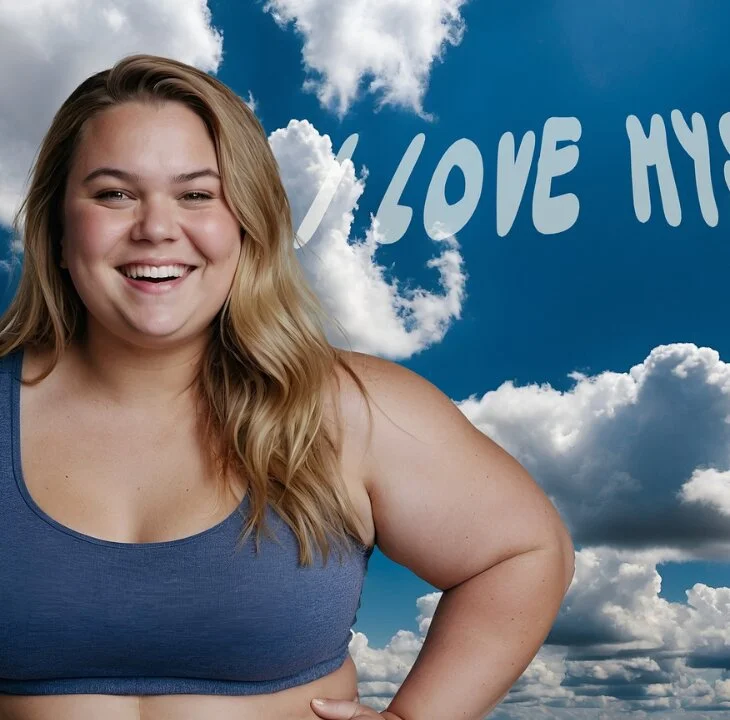
The Body Keeps the Score: 10 Ways Self-Love Shapes Your Physical and Mental Health

We talk about self-love like it lives entirely in the mind, like it is some abstract feeling you either have or you do not. But your body is listening to every thought you think about yourself. Every harsh inner criticism, every skipped meal because you “don’t deserve” a break, every night of lost sleep because you are grinding through guilt. Self-love is not just emotional wellness. It is a biological event that shapes your hormones, your immune system, your gut health, and your longevity.
Research published in Harvard Health has shown that people with higher self-compassion have lower levels of cortisol, reduced inflammation markers, and stronger immune responses. In other words, how you treat yourself on the inside directly rewires what happens in your body.
As a wellness writer, I have spent years exploring the intersection of emotional health and physical outcomes. What I have found, both in the research and in my own life, is that self-love is not a luxury. It is preventive medicine. Here are ten dimensions of self-love that directly impact your health, and what happens in your body when you practice each one.
Your Nervous System Knows When You Are Lying to Yourself
Self-awareness, the ability to honestly recognize what you need, want, and feel, is the starting point for every health decision you make. When you override your body’s signals (pushing through exhaustion, ignoring pain, eating when you are not hungry because stress tells you to), you are essentially training your nervous system to distrust its own feedback loop.
The vagus nerve, which connects your brain to your gut, heart, and immune system, responds to internal honesty. When you acknowledge what you actually feel instead of suppressing it, your vagal tone improves. Better vagal tone means lower resting heart rate, improved digestion, and a calmer stress response. Self-awareness is not just introspection. It is a physiological skill.
Start small. Before you eat, ask yourself if you are genuinely hungry or emotionally hungry. Before you say yes to a commitment, check whether your body tightens or relaxes. These micro-moments of honesty retrain your entire system.
When was the last time you paused to ask your body what it actually needed before making a health decision?
Drop a comment below and let us know what came up for you.
Self-Acceptance Lowers Inflammation (Literally)
Chronic self-rejection is not just painful emotionally. It is inflammatory. When you are constantly at war with your body, criticizing your weight, hating your skin, wishing you looked different, your brain interprets that internal hostility as a threat. The result is a sustained cortisol response that drives systemic inflammation, the root cause of conditions ranging from autoimmune disorders to cardiovascular disease.
A landmark study from Dr. Kristin Neff’s Self-Compassion Research Lab found that individuals who practiced self-acceptance had significantly lower levels of interleukin-6, a key inflammation marker. They also reported fewer physical symptoms like headaches, digestive issues, and chronic fatigue.
Self-acceptance in the health context does not mean giving up on your goals. It means approaching yourself with love while you work toward them. Your body responds to the emotional tone of your inner dialogue just as powerfully as it responds to the food you eat.
Self-Care as Preventive Medicine
True self-care is not a reward for productivity. It is the foundation that makes everything else possible. And yet so many of us treat it as optional, something we will get to once the to-do list is done. From a clinical perspective, this is backwards.
The National Institute of Mental Health identifies consistent self-care practices (adequate sleep, regular movement, balanced nutrition, and stress management) as the single most effective way to reduce your risk of both mental and physical illness. These are not nice-to-haves. They are non-negotiables.
The basics that move the needle most
Sleep is where your brain clears metabolic waste and your body repairs tissue. Aim for seven to nine hours, and protect your sleep environment like the health asset it is. Movement does not need to be punishing to be effective. A daily 30-minute walk lowers blood pressure, improves insulin sensitivity, and boosts serotonin. Nutrition works best when it comes from a place of nourishment rather than restriction. Ask yourself what your body needs to function well today, not what you need to cut out to look different.
Self-Compassion Rewires Your Stress Response
The way you speak to yourself when things go wrong has a measurable effect on your cortisol levels. Harsh self-criticism activates the amygdala (your brain’s threat detection center) and floods your system with stress hormones. Self-compassion, on the other hand, activates the mammalian care system, releasing oxytocin and endorphins that calm the nervous system.
This is not abstract. If you berate yourself after missing a workout, your body stays in fight-or-flight mode. If you respond with kindness (“I was exhausted today, and rest was the right call”), your body downregulates the stress response within minutes. Over time, this pattern creates a fundamentally different hormonal landscape.
Self-forgiveness follows the same pathway. Holding onto guilt about health “failures” (the diet you broke, the habit you dropped) keeps your body marinating in stress chemicals. Letting go is not weakness. It is a biological reset.
Finding this helpful?
Share this article with a friend who might need it right now.
Self-Trust and Interoception: Listening to Your Body’s Wisdom
Your body sends you signals all day long. Hunger, fatigue, pain, restlessness, that subtle feeling that something is off. Self-trust, in a health context, means learning to hear and honor those signals instead of overriding them with willpower or external rules.
The clinical term for this is interoception, the ability to sense and interpret your body’s internal states. Research shows that people with strong interoceptive awareness make better health decisions, recover faster from illness, and experience lower rates of anxiety and depression. They eat when hungry, rest when tired, and seek medical attention when something feels wrong rather than pushing through.
Diet culture, hustle culture, and the “no days off” mentality have systematically taught us to distrust our own bodies. Rebuilding that trust is one of the most radical health interventions you can make.
Self-Esteem and the Confidence to Advocate for Your Health
Here is something that does not get discussed enough: self-esteem directly impacts health outcomes because it determines whether you advocate for yourself in medical settings. People with low self-worth are less likely to push back when a doctor dismisses their symptoms, less likely to seek second opinions, and less likely to believe they deserve quality care.
Women in particular face this challenge. Studies consistently show that women’s pain is undertreated and their symptoms are more frequently attributed to anxiety or stress. Having the self-esteem to say “something is wrong and I need you to take it seriously” can literally be the difference between early detection and a missed diagnosis.
Self-esteem also shapes your daily health behaviors. When you believe you are worth taking care of, you naturally invest in better food, consistent movement, and regular check-ups. It stops being discipline and starts being devotion.
Self-Empowerment: Taking Ownership of Your Wellness
Self-empowerment in health means moving from passive patient to active participant. It means educating yourself about your body, asking questions, understanding your lab results, and making informed choices rather than blindly following prescriptions (literal or cultural).
This does not mean rejecting medical expertise. It means partnering with it. The most empowered patients are the ones who come prepared, who track their symptoms, who understand the connection between their lifestyle and their outcomes. They do not hand over all responsibility to a system. They collaborate with it.
Your health is not something that happens to you. It is something you participate in every single day, through every meal, every movement, every thought you choose to entertain or release.
Self-Respect Means Setting Health Boundaries
Self-respect shows up in health through the boundaries you set and enforce. It looks like saying no to the extra shift when you are running on four hours of sleep. It looks like leaving the party early because your body needs rest. It looks like refusing to shrink yourself to fit someone else’s comfort zone, whether that means your physical size or your emotional needs.
People who struggle with self-respect tend to chronically over-give, and their health pays the price. Burnout, adrenal fatigue, weakened immunity, and chronic pain are all downstream consequences of consistently putting everyone else’s needs above your own.
Setting boundaries is not selfish. It is a health behavior, as essential as hydration and sleep.
Pleasure, Joy, and Their Effect on Longevity
Joy is not a bonus. It is a biomarker. Research in psychoneuroimmunology (the study of how emotions affect immune function) has repeatedly shown that positive emotional states boost natural killer cell activity, improve wound healing, and reduce cardiovascular risk.
When you allow yourself pleasure, whether that is a long bath, a favorite meal cooked slowly, dancing in your living room, or an afternoon with zero obligations, your body floods with dopamine and serotonin. These are not just “feel-good” chemicals. They regulate immune function, support gut health, and protect against cognitive decline.
If your wellness routine feels like punishment, it is working against you. Health should include things that make you feel alive, not just things that keep you alive.
Self-Expression and the Cost of Suppression
Unexpressed emotions do not disappear. They lodge in the body. Chronic suppression of feelings has been linked to increased risk of heart disease, weakened immune response, and higher rates of chronic pain conditions. The research on this is not fringe; it is well-established in psychosomatic medicine.
Self-expression, whether through journaling, conversation, creative outlets, or simply allowing yourself to cry when you need to, acts as a release valve for emotional pressure. It keeps your nervous system from staying locked in a state of internal tension.
Speaking your truth is not just good for your soul. It is good for your blood pressure, your digestion, and your sleep quality. The body does not lie, and it does not forget what you refuse to say.
Where to Start: One Branch at a Time
If you have read through all ten of these dimensions and feel overwhelmed, take a breath. You do not need to overhaul your entire life this week. Pick the one area where you feel the biggest gap between what you need and what you are currently giving yourself. That is your entry point.
Maybe it is sleep. Maybe it is learning to speak kindly to yourself after a setback. Maybe it is finally making that doctor’s appointment you have been avoiding. Whatever it is, start there. Your body will respond. It always does.
Self-love is not a wellness trend. It is the operating system your body runs on. When you upgrade the way you treat yourself, every health metric follows.
We Want to Hear From You!
Which dimension of self-love has the biggest impact on your health right now? Tell us in the comments.
Read This From Other Perspectives
Explore this topic through different lenses