Burnout Recovery Is Possible: How to Heal and Protect Yourself Going Forward
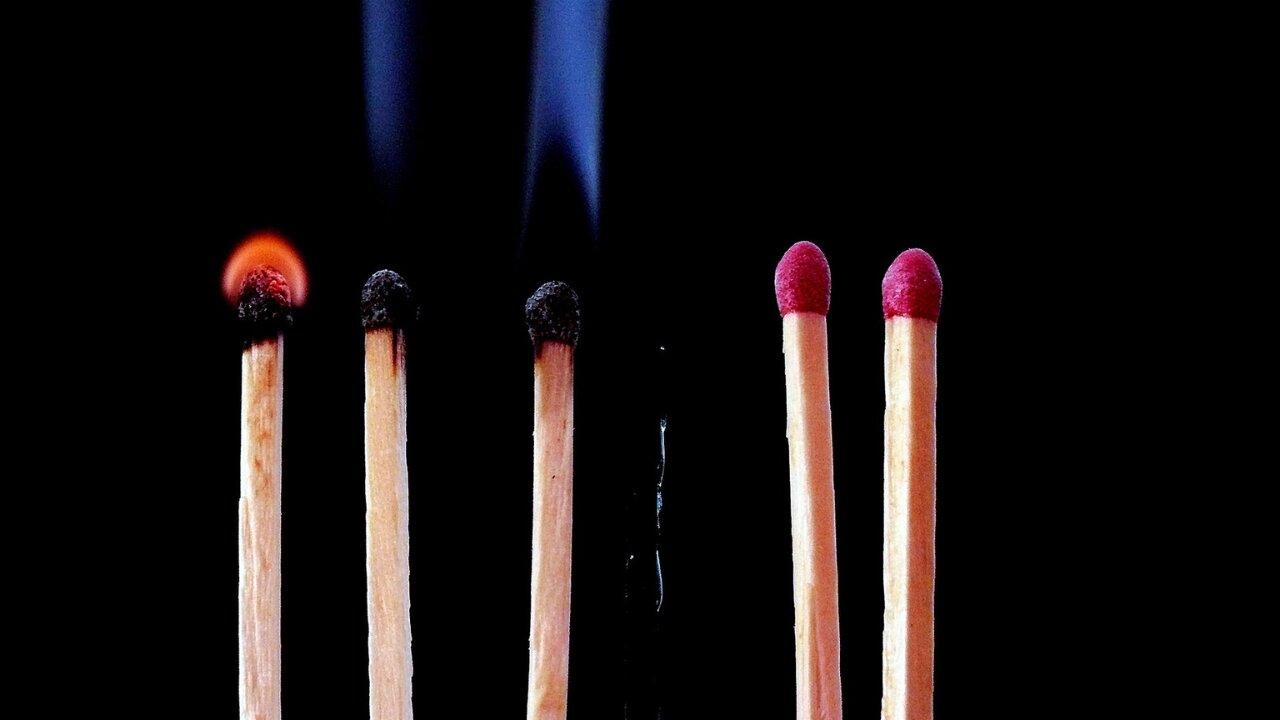
When Your Body Finally Says “Enough”
There is a particular kind of exhaustion that sleep cannot fix. It is not the tiredness you feel after a long day or a busy week. It is deeper than that, more pervasive, like every cell in your body has collectively decided to stop cooperating. If you are reading this and nodding along, chances are you have already crossed the line from “just tired” into full burnout.
According to the World Health Organization, burnout is classified as an occupational phenomenon resulting from chronic workplace stress that has not been successfully managed. It is characterized by three dimensions: feelings of energy depletion or exhaustion, increased mental distance from your job (or life responsibilities), and reduced professional efficacy. In other words, you are running on empty, you feel detached from everything, and nothing you do feels like it matters.
The tricky part? Most women do not realize they are in burnout until they are already deep in it. We live in a culture that glorifies busyness and treats exhaustion like a badge of honor. Being “always on” is not just expected, it is celebrated. But your body was never designed to operate in a constant state of stress, and eventually, it will force you to stop.
The good news is that burnout is not a permanent state. You can recover, and you can build a life that does not keep dragging you back to this place. Here is how.
Acknowledge What Is Really Happening
The first and most important step in burnout recovery is also the hardest: admitting that you are not okay.
If you are someone who has always been the strong one, the dependable one, the person who holds it all together, this can feel almost impossible. There is a reason burnout tends to hit high achievers and caregivers the hardest. These are people who have built their identity around being capable, productive, and always available. Admitting that you are struggling can feel like admitting failure.
But here is what is actually true: recognizing burnout is not a sign of weakness. It is a sign of self-awareness, and it takes real courage.
Research published in Psychology Today highlights that one of the biggest barriers to burnout recovery is denial. People minimize their symptoms, convince themselves they just need “one good night of sleep,” or push through because they feel they have no other option. This denial prolongs the cycle and makes recovery harder.
So be honest with yourself. Say it out loud if you need to: “I am burned out, and I need to make changes.” Tell someone you trust. You do not have to perform wellness for anyone. You do not have to pretend you are fine when you are falling apart. The moment you stop pretending is the moment healing can actually begin.
For many women, this admission brings an overwhelming sense of relief. The weight of maintaining the facade is heavier than most people realize. Letting it go, even just with one person, creates space to breathe.
Have you ever caught yourself saying “I’m fine” when you were anything but?
Drop a comment below and let us know what finally made you realize you had hit the wall. Your honesty could be the thing that helps another woman stop pretending.
Release the Guilt and Self-Blame
Once you have acknowledged what is going on, the next hurdle is the wave of guilt and frustration that often follows. Your inner critic might start running through all the things you “should” have done differently. You should have set boundaries sooner. You should have said no more often. You should have seen this coming.
Stop. Please.
Beating yourself up for reaching burnout is like blaming yourself for getting caught in the rain when nobody told you a storm was coming. You were doing the best you could with what you knew at the time. That is not a cliche; it is the truth.
It is completely natural to feel frustrated, sad, or even angry about where you have ended up. Those emotions are valid, and you should let yourself feel them. But there is a difference between processing your emotions and setting up permanent residence in them. Feel what you need to feel, and then gently redirect your energy toward moving forward.
Self-compassion is not self-indulgence. According to research from Dr. Kristin Neff’s self-compassion research program, treating yourself with the same kindness you would offer a close friend actually accelerates recovery from stress and emotional exhaustion. You would never tell your best friend she was a failure for burning out. Extend that same grace to yourself.
Give Your Body the Rest It Is Begging For
When you are in burnout, your nervous system has been stuck in fight-or-flight mode for far too long. Your cortisol levels are likely elevated, your sleep quality has probably suffered, and your body is running on adrenaline and willpower instead of actual energy.
The only way to break this cycle is rest. Real, intentional, guilt-free rest.
This does not mean scrolling through your phone on the couch (though that has its place too). It means actively giving your body and mind permission to do nothing productive. Sleep in on Saturday. Cancel plans that drain you. Say no to the extra project. Watch that show you have been meaning to get to. Sit outside and just breathe.
Here is something important to understand: recovery from burnout is not a weekend project. If it took months (or years) for your body to reach this state, it is going to take more than two days of rest to undo it. Be patient with the process. Think of rest as medicine, not laziness. You are not being unproductive; you are healing.
Practical ways to build more rest into your life include prioritizing sleep hygiene (consistent bedtime, no screens before sleep, a cool and dark room), incorporating short periods of stillness throughout your day, and learning to distinguish between activities that restore your energy and those that deplete it. Even five minutes of quiet breathing between tasks can help regulate your nervous system.
If you have been curious about how a self-love approach can help you navigate overwhelming situations, the same principles apply here. Choosing yourself is not selfish; it is survival.
Finding this helpful?
Share this article with a friend who might need it right now.
Ask for Help (and Be Specific About What You Need)
This one is non-negotiable, and it is the step that most high-functioning women skip. Asking for help can feel vulnerable, especially when you have spent years being the person everyone else leans on. But trying to recover from burnout while still carrying the full weight of your responsibilities is like trying to fill a bathtub with the drain open.
You need to lighten your load, and that means letting other people carry some of it.
Start small if you need to. Ask your partner to handle school pickups this week. Accept your neighbor’s offer to walk the dog. Let a friend bring dinner instead of insisting you are fine. Delegate tasks at work instead of absorbing everything yourself.
The key is being specific. People genuinely want to help, but they often do not know how. Instead of a vague “I’m struggling,” try “Could you pick up groceries on Tuesday?” or “I need someone to cover the morning meeting this week.” Specific requests are easier for people to say yes to, and they give you tangible relief.
Asking for help is not a sign of failure. It is a sign that you are finally taking your recovery seriously. The strongest thing you can do right now is admit that you cannot (and should not) do it all alone.
Make Small, Sustainable Changes to Prevent Relapse
Here is the part that separates true recovery from a temporary break: if you go back to doing exactly what you were doing before, you will end up right back where you started. Burnout is your body’s way of telling you that something in your life is fundamentally unsustainable. Listening to that message means making real changes.
But before you panic, know this: the changes do not have to be dramatic. You do not need to quit your job, move to a different city, or overhaul your entire existence. In fact, small and consistent changes tend to be far more effective than grand gestures.
Consider shifts like these:
Protect your mornings
Instead of reaching for your phone the moment you wake up, take five slow breaths. Drink a glass of water. Give yourself ten minutes before the world starts demanding things from you.
Create boundaries around work
Set a time when you stop checking emails. Close the laptop. The work will still be there tomorrow, and it will go better when you are rested.
Move your body gently
This is not about intense workouts (those can actually increase cortisol when you are already burned out). Go for a walk outside. Stretch. Do some yoga. Movement that feels good, not punishing, is what your body needs right now.
Audit your commitments
Look at your calendar for the next month. What can you cancel, postpone, or delegate? If the thought of something fills you with dread rather than purpose, that is useful information.
Reconnect with what brings you joy
Burnout has a way of stripping the color out of life. Think about what used to light you up before everything became about survival mode. Maybe it is reading, painting, cooking, or spending time with people who make you laugh. Start reintroducing those things, even in small doses. Rediscovering your sense of passion and purpose is a vital part of rebuilding a life that energizes rather than depletes you.
Remember, it is the small things you do consistently that create the biggest shifts in your overall health and wellbeing. You do not need a revolution. You need a few thoughtful, repeatable habits that remind your body it is safe to slow down.
The Road Back to Yourself
Burnout recovery is not linear. There will be days when you feel like you are making incredible progress, and days when you feel like you are right back at square one. That is normal. Healing never moves in a straight line.
What matters is that you keep choosing yourself. Keep resting when your body asks for it. Keep asking for help when you need it. Keep making those small daily choices that add up to a fundamentally different way of living.
You did not arrive at burnout overnight, and you will not leave it overnight either. But you will leave it. One gentle, self-compassionate step at a time, you will find your way back to feeling like yourself again. And when you do, you will have the tools and the awareness to make sure you never end up back in this place.
You have already done the hardest part: you recognized what was happening and you started looking for a way out. That takes more strength than most people realize. Trust the process, trust yourself, and know that the version of you on the other side of this is going to be wiser, stronger, and far more protective of her peace.
We Want to Hear From You!
Tell us in the comments which step resonated most with you, or share what has helped you recover from burnout. Your experience could be exactly what someone else needs to hear today.