When Trauma Changes You, It Changes Your Relationships Too
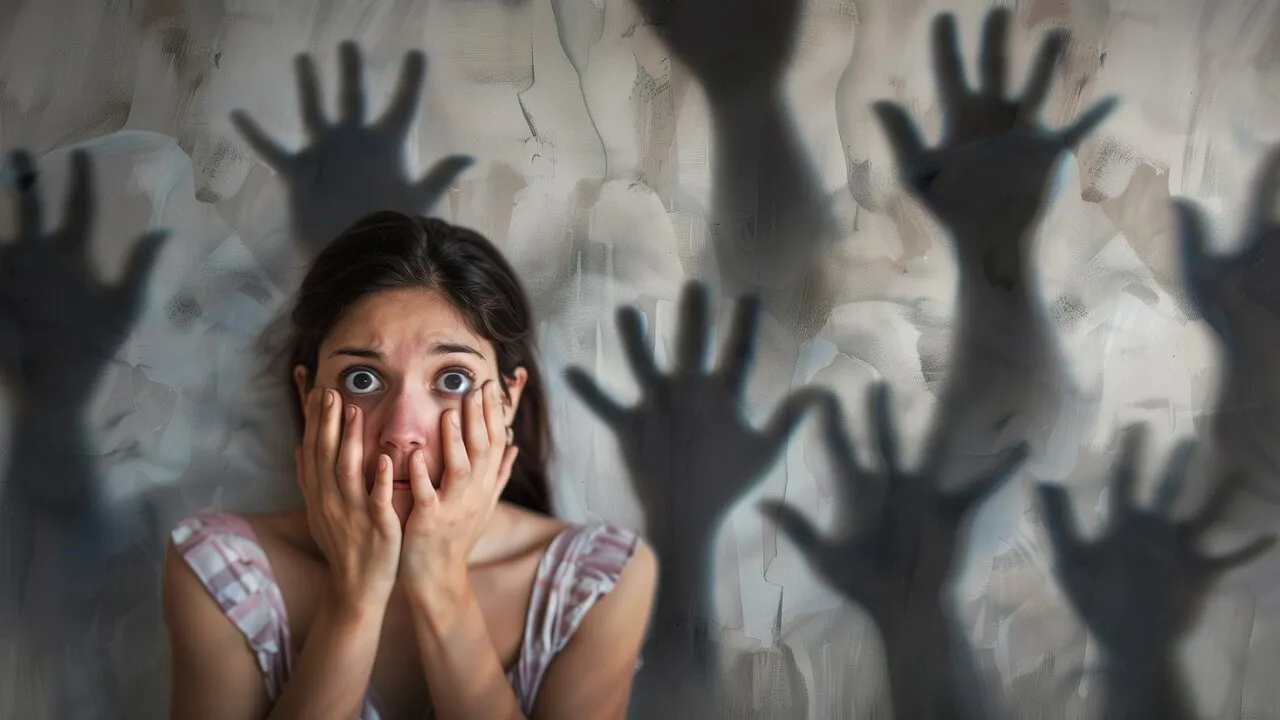
Nobody tells you this part. When something breaks inside you, the fracture lines spread outward. They reach into your friendships, your family dinners, your phone calls, your ability to show up for the people you love most. Trauma does not just live inside your body. It moves into every relationship you have.
I learned this the hard way.
The Night That Rewrote Every Relationship I Had
I was 22 when my drink was spiked at a party. One sip of something wrong, and then nothing. I woke up in a hospital with no memory of what happened between the dance floor and the fluorescent lights above my bed. The stories people told me afterward were terrifying. I had jumped out of cars, run through traffic, screamed at my own mother, pulled my hair out in front of people who loved me.
But here is the thing that haunted me more than the event itself: the look on my mum’s face the next morning. The careful way my dad held his voice steady when he spoke. The text messages from friends that were a little too cheerful, a little too careful. Everyone around me had been shaken, and nobody knew how to talk about it.
That night did not just give me anxiety. It rewired the way I existed inside my closest relationships. Overnight, I became someone my family did not quite recognize, and I could not explain to them what was happening because I did not understand it myself.
Has a difficult experience ever changed the way you relate to the people closest to you?
Drop a comment below and let us know…
How Anxiety Quietly Pushes Away the People You Need Most
After that night, panic attacks became my constant companion. I stopped going out. I stopped answering calls. I canceled plans so often that eventually people stopped inviting me. Not because they did not care, but because I had trained them to expect my absence.
The cruel irony of anxiety after trauma is that it makes you pull away from the very people who could help you heal. Your nervous system screams that everyone is a threat, even the people who have proven, over and over again, that they are safe. Research from the Journal of Traumatic Stress confirms that traumatic events often activate and intensify anxiety patterns that were already present, and those heightened responses do not stop at the individual. They ripple outward into every social connection.
My mother started walking on eggshells. My dad became hyper-protective in ways that felt suffocating rather than supportive. My closest friends split into two groups: those who tried too hard to fix me, and those who quietly drifted away because they did not know what to say. I could not blame any of them. They were all doing the best they could with something none of us had a manual for.
I became a master of the convincing smile. The “I am fine, honestly” that shut down any further questions. I thought I was protecting my family from worry. In reality, I was building walls that made everyone feel shut out.
The Friends Who Stayed (and What They Taught Me)
Not everyone left. A few friends refused to accept my disappearing act. They were not dramatic about it. They did not stage interventions or send long emotional messages. They just kept showing up. A text every few days. An invitation with zero pressure attached. A voice note that said, “No need to reply, just thinking of you.”
Those small, consistent gestures meant more than any of them probably realized.
According to the American Psychological Association, one of the most significant factors in recovering from trauma is the quality of social support available to a person. Not the quantity of friends, not grand gestures, but the presence of even a few people who offer steady, nonjudgmental connection.
I think about this often. The friends who stayed did not try to understand my anxiety. They did not need to. They simply refused to let distance become permanent. And that consistency, that quiet persistence, became part of my healing in ways that no book or podcast could replicate.
If you are someone who has a friend going through something similar, please hear this: you do not need to have the right words. You just need to keep the door open.
Learning to Let People Back In
The hardest part of healing within relationships was admitting that I needed them. I had spent so long convincing myself that isolation was safety. That needing people was weakness. That if I could just figure this out on my own, I would not burden anyone else with my mess.
But humans are not built for solitary healing. We are wired for connection. A study published in PLOS ONE found that perceived social support is one of the strongest predictors of post-traumatic growth, meaning that the relationships around us do not just help us survive difficult experiences. They help us grow through them.
Letting people back in was not a single moment. It was a series of small, terrifying choices. Saying yes to coffee with a friend I had not seen in months. Telling my sister the truth when she asked how I was instead of defaulting to “fine.” Allowing my mother to comfort me instead of insisting I did not need it.
Each of those moments felt like stepping off a ledge. And each time, someone was there to catch me.
Finding this helpful?
Share this article with a friend who might need it right now.
Rebuilding Family Dynamics After Everything Shifts
Family relationships carry a particular weight when trauma enters the picture. These are the people who knew you before. They remember the version of you that existed without panic attacks and canceled plans, and sometimes, without meaning to, they grieve that version right in front of you.
My parents did not know how to help me, and their attempts often missed the mark. My dad tried to solve the problem logically, offering practical fixes for something that did not respond to logic. My mum absorbed my pain like a sponge, carrying it alongside her own fear about what had happened to her daughter. My siblings oscillated between concern and frustration, not understanding why I could not just “get over it.”
None of their responses were wrong. They were just human.
What eventually helped was something I did not expect: honesty without performance. Instead of pretending I was fine or dumping every raw feeling on them at once, I started sharing in small, honest pieces. “I am having a hard day” was enough. “I need to leave early, but it is not about you” was enough. These small truths gave my family something concrete to hold onto instead of the confusing silence I had been offering them for months.
Over time, those small truths built a new kind of closeness. Not the effortless, unexamined closeness of before, but something deeper. Something that had been tested and had survived.
The Friendships That Had to End
Not every relationship survived this chapter, and I have learned to make peace with that. Some friendships were built on a version of me that no longer existed. The one who always said yes, who never needed anything, who was easygoing and uncomplicated. When I could no longer be that person, some people did not know what to do with what was left.
Letting go of those friendships was painful, but it was also necessary. Part of healing meant taking an honest inventory of who was in my life and whether those connections were supporting or undermining the work I was doing on myself. This was not about blame. Some people are wonderful humans who simply are not equipped to hold space for your healing, and that is okay.
The friendships that remained (and the new ones that formed) were rooted in something more honest. More mutual. More real. They could hold the full picture of who I was, anxiety and all, without flinching.
Showing Up Differently in Every Relationship
Years into this journey, I still have anxiety. I have made my peace with the fact that it is part of me. But the way it shows up in my social life has changed dramatically.
I used to cancel plans and then spiral into guilt about canceling, which made the anxiety worse, which made me cancel more. Now I communicate early and honestly. “I would love to come, but I might need to leave early” is a sentence that has saved more friendships than I can count. It sets an expectation without apology and gives the other person a chance to meet me where I am.
I have also learned to stop performing wellness for the people around me. For a long time, I thought being a good friend or daughter meant hiding the hard parts. Showing up with a smile regardless. Never being “too much.” But real relationships require real people, and real people sometimes struggle.
The women in my life who I admire most are not the ones who have it all together. They are the ones who are honest about when they do not. That honesty creates permission for everyone around them to be honest too, and that is where genuine connection lives.
What I Wish I Had Known
If I could go back and tell my 22-year-old self one thing, it would be this: the people who matter will not leave. And the ones who leave were not meant to walk this road with you. That is not a loss. That is clarity.
I would also tell her that asking for help is not a burden. It is a gift to the people who love you, because it gives them a way to participate in your healing instead of watching helplessly from the sidelines.
Every single day, I make the choice to show up honestly in my relationships. To let people see me, fully, without the protective armor I used to wear. To say “I am struggling” when I am struggling, and “I need you” when I need someone. These are not signs of weakness. They are the foundation of every meaningful relationship I have today.
Your people are waiting for you to let them in. You do not have to do this alone. You never did.
We Want to Hear From You!
Tell us in the comments which tip resonated most with you.
Read This From Other Perspectives
Explore this topic through different lenses