What Your Mom’s Beauty Routine Taught You (and What You Can Teach Your Daughter)
The Beauty Rituals We Inherit from the Women Around Us
Think back for a second. Close your eyes if you need to. Picture the bathroom counter of the woman who raised you. Maybe it was your mom, your grandmother, or an aunt who stepped in when you needed her most. Can you see the bottles lined up? The jar of cold cream, the pink lotion, the perfume she saved for special occasions?
Here is something most of us never stop to consider: our relationship with beauty products is one of the most deeply inherited things we carry. Long before we understood what parabens were (or weren’t), we were learning what “taking care of yourself” looked like by watching the women in our lives. And now, whether we realize it or not, we are passing those same lessons forward to the girls and women in our own circles.
The truth is, what we put on our skin matters. Our skin absorbs what we apply to it, carrying those ingredients straight into the bloodstream. But this is not just a health conversation. It is a family conversation, a friendship conversation, and a deeply personal one about the rituals we share with the people we love.
What beauty habit did you pick up from your mom or grandmother without even thinking about it?
Drop a comment below and let us know. We bet you will be surprised how many of us share the same memories.
How Family Shapes Our Relationship with Beauty
Research from the American Psychological Association’s Journal of Family Psychology consistently shows that family is the single most powerful influence on how women develop their self-image and health behaviors. Beauty routines are no exception. When your mother handed you your first moisturizer or told you to “always wash your face before bed,” she was doing more than skincare. She was teaching you a form of self-respect.
But here is where it gets complicated. Many of the products our families have used for generations are loaded with synthetic chemicals, endocrine disruptors, and ingredients that do more harm than good. That is not our mothers’ fault. They trusted what was available. They believed the labels. And honestly, so did we for a long time.
The shift toward cleaner, more natural beauty is not about rejecting what our families taught us. It is about honoring the intention behind those rituals (taking care of yourself, showing up for your body) while updating the tools we use. Think of it as keeping grandma’s recipe but swapping in better ingredients.
The Kitchen Table Conversations That Change Everything
Some of the most important beauty education does not happen in a dermatologist’s office. It happens over coffee with your sister. It happens when your best friend texts you a photo of an ingredient label and asks, “Should I be worried about this?” It happens when your teenage daughter comes home from school convinced she needs a ten-step skincare routine because everyone on social media says so.
These are the moments that matter. And they are happening in every family, every friend group, every day.
When we start having honest conversations with the people closest to us about what we are actually putting on our bodies, something powerful shifts. It stops being about vanity and starts being about care. Real, tangible, “I love you enough to tell you the truth” kind of care.
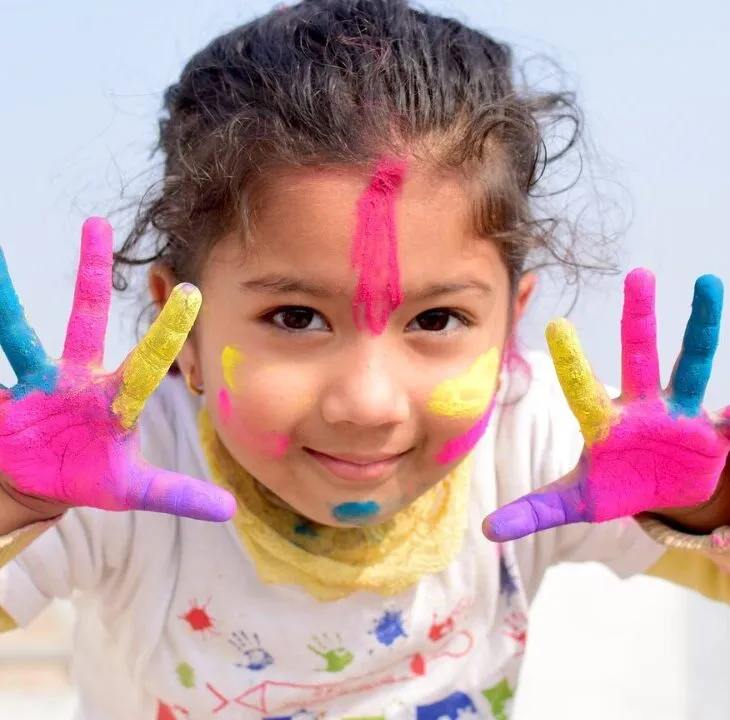
Teaching the Next Generation Without the Shame
If you have daughters, nieces, or young women in your life, you already know the pressure they face. The beauty industry spends billions convincing them they need to fix, cover, and correct. According to the Environmental Working Group’s Skin Deep database, the average woman uses 12 personal care products daily, exposing herself to roughly 168 unique chemical ingredients. For teens trying to keep up with trends, that number can be even higher.
So how do we guide them without lecturing? How do we share what we have learned without turning into the “crunchy aunt” everyone avoids at Thanksgiving?
It starts with invitation, not instruction.
Make It a Shared Experience
Instead of handing your daughter a list of “bad ingredients” (which, let’s be honest, will end up in the trash), try making natural beauty something you explore together. Here are some ways families are doing this beautifully:
1. DIY nights with your people. Gather your daughters, your sisters, your closest friends. Pick one simple recipe, like an oil cleanser using high quality jojoba or coconut oil, and make it together. The act of creating something with your hands alongside someone you love turns a beauty tip into a memory. Jojoba oil, by the way, is a liquid wax that closely mirrors our skin’s own sebum, making it one of the gentlest cleansers you can use.
2. Read labels together. Next time you are at the store with your teen, pick up a bottle and play “Can You Pronounce It?” If neither of you can identify most of the ingredients, that tells you something. Make it a game, not a guilt trip. Simple, affordable choices can make a big difference without overwhelming anyone.
3. Share the “why” through story, not statistics. Your daughter might not care that parabens disrupt the endocrine system. But she might care that you switched to natural products because you noticed your skin changed after she was born, and you wanted to be healthier for her. Personal stories land where data often doesn’t.
4. Respect her autonomy. If your teen wants to keep her favorite drugstore moisturizer, let her. Plant seeds. Don’t uproot her choices. The goal is a relationship where she feels safe asking questions, not one where beauty becomes another source of conflict.
Finding this helpful?
Share this article with a friend who might need it right now. Sometimes the best beauty advice comes from the people who know us best.
The Friends Who Changed My Routine (and Maybe Saved My Skin)
I will be the first to admit that my biggest beauty shifts did not come from articles or influencers. They came from friends.
One friend introduced me to dry brushing after she had been doing it for months and could not stop talking about how her skin felt. She showed up at my house with an extra brush and a bottle of essential oil and just said, “Trust me.” That afternoon ritual of adding a drop of essential oil to the bristles and brushing before a shower became something we did together when we visited each other. It was not about beauty. It was about connection.
Another friend gently pointed out that the “natural” products I was so proud of were not as clean as I thought. She did not shame me. She just shared what she had learned and let me come to my own conclusions. That is the kind of friendship that changes your life in quiet, lasting ways.
This is what the beauty industry misses entirely. Our self-care routines are rarely solo acts. They are woven into our relationships. The face mask you do with your roommate on Sunday nights. The moisturizer your sister swears by that you finally tried. The way your mom still reminds you to drink water for your skin every single time you call.
When Beauty Routines Become Bonding Rituals
There is something ancient and deeply human about grooming rituals shared between people who love each other. Across cultures and centuries, women have gathered to prepare oils, share remedies, and care for each other’s bodies. The National Institutes of Health has published research showing that shared self-care activities within social groups improve both mental health outcomes and adherence to healthier practices.
We have lost some of that in our modern, isolated routines. But it does not take much to bring it back.
Practical Ways to Build Beauty Rituals into Your Relationships
With your partner: Share what you are learning about ingredients and cleaner products. Cook meals rich in skin-nourishing foods together (think purple cabbage, leafy greens, and fermented foods like kimchi). Taking care of your body as a team creates a different kind of intimacy.
With your kids: Let them see you choosing carefully. When they ask why you use “that weird oil” instead of the foamy soap, tell them. Kids absorb values through observation far more than through instruction.
With your friends: Start a small “clean swap” group. Each month, one person researches and recommends a natural alternative to a common product. It keeps everyone accountable without anyone feeling preached at.
With your mom: This one is tender. If your mother is still using the same products she has used for 30 years, approaching the topic requires gentleness. Maybe gift her a beautiful bottle of high quality oil cleanser for her birthday. Maybe do a face treatment together next time you visit. Let the experience speak louder than any ingredient list.
It Was Never Just About the Products
At the end of the day, the movement toward cleaner beauty is really a movement toward intentional living within our relationships. It is about paying attention. To what we put on our skin, yes, but also to the conversations we have with our daughters about self-worth. To the way we show up for our friends when they are struggling with confidence. To the legacy of care we received from the women before us and the legacy we are building for the women who come after.
Your skin is your largest organ. It absorbs what touches it. But your heart absorbs something too: the way the people around you make you feel about caring for yourself. When beauty becomes something we share rather than something we perform alone in front of a mirror, it transforms from a routine into a ritual. And rituals, when shared with the people we love, have a way of healing things no product ever could.
So tonight, maybe call your mom and ask her about that cold cream she used to keep on the bathroom counter. Text your best friend about that new oil cleanser you have been curious about. Sit with your daughter and talk about what “taking care of yourself” really means.
Because the most beautiful thing you can do for your skin, and your soul, is let the people who love you be part of the journey.
We Want to Hear From You!
Tell us in the comments which tip resonated most with you. Have you ever shared a beauty ritual with someone you love? We would love to hear your story.
Read This From Other Perspectives
Explore this topic through different lenses