What Becoming a New Mom Taught Me About Healing, Boundaries, and Self-Compassion
Motherhood as an Unexpected Teacher
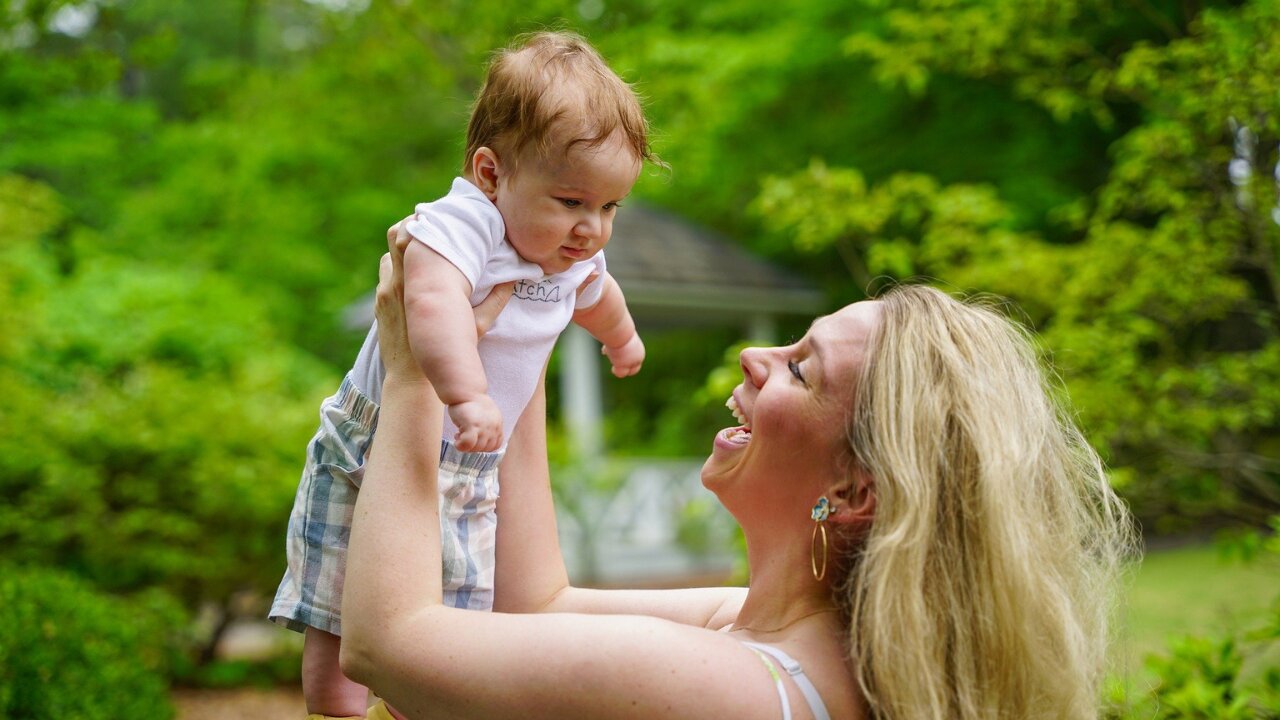
When my son Jett was born, something shifted inside me that no book, podcast, or wellness blog had ever managed to reach. Becoming a new mom cracked me open in ways I did not anticipate, revealing lessons about healing, boundaries, surrender, and self-compassion that apply far beyond the nursery.
These are not lessons reserved for parents. They belong to anyone navigating change, processing difficult emotions, or simply trying to show up more honestly in their own life. Whether you are in the thick of new parenthood or facing an entirely different kind of transformation, I believe these insights will resonate with you.
Giving Ourselves Permission to Reflect and Heal
The day Jett arrived, I felt a surge of pride unlike anything I had ever experienced. I could feel the strength of generations of women flowing through me, and I was completely in awe of what the human body can do. But like so many birth stories, mine did not unfold the way I had envisioned.
I had hoped for an all natural water birth, peaceful and calm. Instead, our little boy was posterior and stuck in a position that prevented him from descending. The second half of delivery looked nothing like the plan I had carefully imagined.
Afterward, I found myself doing what many of us do after a life changing event. I pushed forward. There was a newborn who needed constant care, and I told myself there was no time to sit with what had happened. I needed to be strong, capable, and present.
But here is what I have learned: when we skip over the processing, the emotions do not disappear. They simply go underground. Research from the American Psychological Association confirms that unprocessed traumatic experiences can surface later as anxiety, depression, and difficulty forming secure attachments. This applies not only to birth but to any significant life event we have not given ourselves permission to feel.
When I shared this realization on social media, I was flooded with messages from women who still carried unprocessed emotions around their birth experiences, some from years or even decades ago. The emotions we refuse to acknowledge do not fade quietly. They shape how we show up in our relationships, our work, and our sense of self.
A Simple Practice for Emotional Release
Healing does not require a dramatic overhaul. It can begin with something small. Light a candle in a quiet room, open a journal, and let whatever needs to surface flow onto the page. You do not need to label the emotion or understand its origin. Simply creating space without judgment is a powerful first step.
One practice that has helped me enormously is the Hawaiian prayer called Ho’oponopono:
“I love you, I am sorry, Please forgive me, Thank you”
This simple mantra creates a container for releasing what no longer serves us while cultivating compassion for ourselves and others. It reminds us that healing is not about perfection. It is about willingness.
Have you ever carried an unprocessed emotion longer than you realized?
Drop a comment below and let us know what helped you finally release it.
The Art of Setting Loving Boundaries
When Jett was born, my partner and I asked for a full week before welcoming visitors (apart from my mum and sisters who live nearby). I was learning how to breastfeed, figuring out how to care for this tiny human, and desperately trying to catch up on rest. Adding other people and their energy into the mix would have pushed me past my capacity.
That week of quiet allowed us to settle into our new rhythm far more quickly than I expected. But I have spoken with many couples who felt pressured to accommodate everyone else’s excitement at the expense of their own wellbeing. They said yes when they needed to say not yet, and resentment followed.
Why Boundaries Strengthen Relationships
I have found that when we are unclear about our own limits, we end up blaming others for overstepping. But the truth is, we simply have not loved ourselves enough to communicate what we actually need. According to Psychology Today, healthy boundaries are essential for maintaining mental health and building respectful relationships.
When we set a boundary with kindness and clarity, we are not shutting people out. We are giving them a roadmap for how to genuinely support us. Most people respect honesty far more than they resent it. Clear, compassionate communication almost always strengthens a relationship rather than damaging it.
This lesson extends well beyond new parenthood. Whether you are navigating a demanding work environment, managing family dynamics, or protecting your energy during a difficult season, boundaries are not selfish. They are necessary.
Surrendering to What We Cannot Control
Having a baby has been the ultimate lesson in surrender. There are nights when nothing works. The feeding is done, the diaper is fresh, the room is the right temperature, and still, Jett cries. In those moments, I have learned to stop trying to fix and simply be present. I hold him close, breathe deeply, and remind myself that this moment will pass.
I will not be rocking him through this same nap in ten years, or even next week. Things shift constantly. He will fall asleep eventually, and soon I will be thinking about something entirely different.
I also want to be honest about something important: when it all feels like too much, stepping away is not failure. Placing your baby safely in the crib and taking two minutes to breathe in another room is one of the strongest, most responsible choices a parent can make.
Surrender as a Life Practice
Surrender does not mean giving up or becoming passive. It means releasing our grip on outcomes we cannot control while staying present and responsive to what is actually happening. This approach removes so much unnecessary anxiety, fear, and the exhausting need to manage every detail.
Sometimes things are unfolding exactly as they need to, and the gift is simply not visible yet. Trusting that process, even when it is uncomfortable, is a practice that serves us in every area of life.
Finding this helpful?
Share this article with a friend who might need it right now.
Self-Care Looks Different in Every Season of Life
Before Jett, my self-care routine could easily fill hours of the day. Meditation, journaling, long baths, slow mornings. I loved every minute of it. Now, I feel accomplished if I manage to get dressed, eat breakfast, and drink enough water before noon.
But that does not mean I have abandoned self-care. It simply looks different in this season.
I still recognize that putting myself first is not optional. If I am running on empty, my baby feels it. If I neglect my own needs, resentment builds, my relationship with my partner suffers, and the entire experience of new motherhood becomes something I wish away rather than cherish.
What Self-Care Looks Like Now
Intentional breathing: When I am calm, Jett feels it. When I am tense, he mirrors it right back. I practice breathing in for a count of four, pausing for two, and exhaling for eight. The Harvard Health website confirms that controlled breathing activates the parasympathetic nervous system, shifting us from stress to calm in minutes.
Choosing gratitude deliberately: When frustration builds, I pause and mentally list everything I am grateful for. It sounds simple because it is. But the shift it creates is real. Within moments, frustration softens and I can show up for Jett (and for myself) with more patience and presence.
Asking for help without guilt: One evening when my partner was at work, I sat alone crying while Jett refused to settle. I felt isolated and ashamed. Then a thought hit me: why was I trying to handle everything alone and be perfect? That moment sparked an honest conversation about what I needed, which ultimately brought us closer as a couple. Reaching out is not weakness. It is a profound act of self-love.
Finding joy in small acts: Changing the bed sheets and looking forward to climbing into fresh linens that night. Making a cup of tea and drinking it while it is still warm. These tiny moments of care for ourselves matter more than we realize, especially when the grand gestures are not possible.
Writing Your Own Story Instead of Borrowing Someone Else’s
Before Jett arrived, I absorbed a very specific narrative about new motherhood from the world around me: it would be the hardest, most exhausting thing I had ever done. That story generated real fear before I even began.
When I discovered I was actually enjoying the experience more than expected, I felt guilty. I worried that admitting this would make other mothers feel inadequate or that something must be wrong with me for not suffering enough.
During a walk one morning, I gave myself permission to create a new story: “I can thrive with a newborn.” The relief was immediate. I was not denying the hard moments. I was simply refusing to let exhaustion and struggle be the only script for my experience.
Examining the Stories You Carry
We all carry narratives that were handed to us by family, culture, or past experience. Some serve us well. Others keep us small, afraid, or disconnected from our own truth. The empowering reality is that we have the ability to examine these stories and consciously choose which ones to keep and which ones to release.
What story have you been telling yourself about your current season of life? Is it actually yours, or did someone else write it for you? Getting clear on this distinction can be the beginning of a powerful shift.
Carrying These Lessons Forward
These five lessons (giving ourselves time to heal, setting loving boundaries, surrendering to what we cannot control, adapting self-care to our current reality, and writing our own story) have transformed not just my experience of motherhood but my entire approach to being human.
Whether you are navigating new parenthood, a career change, a relationship challenge, or simply the beautiful complexity of everyday life, these principles offer a foundation for moving forward with more grace and self-compassion.
The journey will never be perfect. There will be sleepless nights (literal or metaphorical), moments of doubt, and stretches where we feel completely overwhelmed. But within each challenge lives an invitation to grow, to heal, and to become more fully ourselves. And that invitation is always worth accepting.
We Want to Hear From You!
Tell us in the comments which lesson resonated most with where you are in life right now.