The People Who Carried Me Through My Darkest Season (and What I Learned About Healing Together)
In January 2014, I hit the lowest point of my life. I had been pretending for years that I was fine, performing okayness for the people around me while quietly falling apart. But this time there was no hiding it. The heartbreak was too fresh, the depression too heavy, and my body was breaking down in ways I could not explain. The only thing keeping me upright was my job, and even that felt like borrowed time.
What I did not realize then was that the people closest to me had been watching me unravel for much longer than I wanted to admit. And when I finally stopped pretending, it was their presence (not their advice, not their solutions, just their presence) that gave me the first real breath I had taken in years.
When Your Inner Circle Becomes Your Lifeline
There is a specific kind of loneliness that comes from being surrounded by people who love you while feeling completely unreachable. I had family. I had friends. But I had built such thick walls around my pain that no one could get through, and honestly, I did not want them to. Letting someone see you at your worst feels like handing them a reason to leave.
But here is what I learned: the people who truly love you are not waiting for you to be perfect. They are waiting for you to be honest.
When I finally broke down in front of my closest friend and told her I was not okay, really not okay, she did not flinch. She did not try to fix me. She just said, “I know. I have been waiting for you to say it.” That single sentence cracked something open in me that years of suffering alone never could.
Research from the American Psychological Association confirms that one of the primary factors in building resilience is having caring, supportive relationships. Not relationships where people solve your problems for you, but ones where you feel genuinely seen and accepted. That kind of connection does not just comfort you. It physically changes how your brain processes stress and pain.
Have you ever had a friend or family member who saw through your “I’m fine” before you were ready to drop the act?
Drop a comment below and let us know what that moment felt like.
The Friends Who Showed Up (and the Ones Who Could Not)
One of the most painful parts of going through a personal crisis is discovering which relationships can hold the weight of your truth and which ones cannot. I lost friendships during that season. People I thought would be there forever quietly distanced themselves, and for a long time, I took that personally. I assumed it meant I was too much, too broken, too heavy to be around.
It took me years to understand that some people pull away not because they do not care, but because your pain activates their own unprocessed wounds. They are not rejecting you. They are protecting themselves from something they are not ready to face yet.
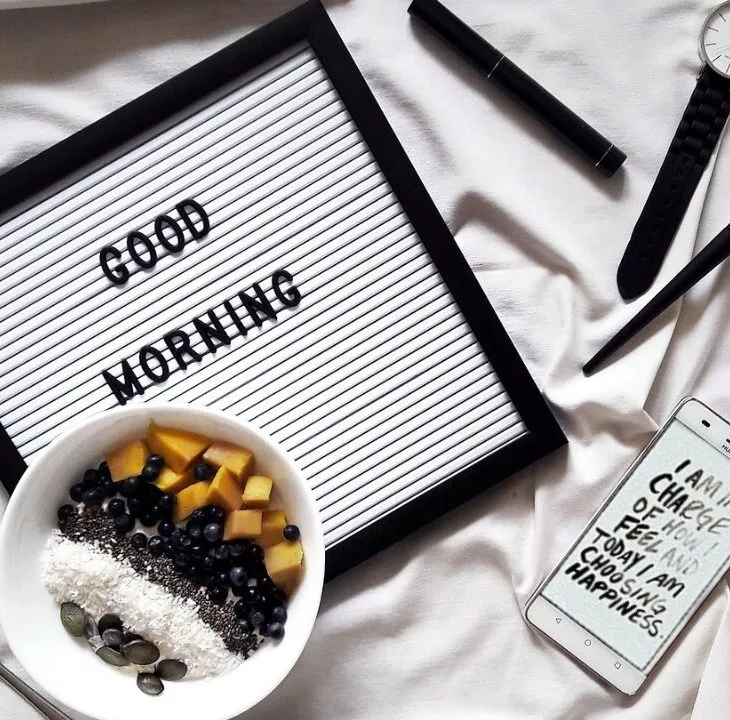
And then there were the friends who showed up in ways I never expected. One brought me fruit (literally just bags of fresh fruit) every week because she had read somewhere that what you eat affects how you feel. She did not lecture me about nutrition or tell me to stop eating chocolate for breakfast. She just kept showing up with mangoes and berries, and eventually I started craving those instead. That quiet, consistent act of love changed my relationship with food more than any diet book ever could.
Another friend sat with me in complete silence for an hour because I could not stop crying long enough to form a sentence. She never once said “everything happens for a reason” or “you just need to think positive.” She simply stayed. According to Harvard Health, emotional distress and physical health are deeply intertwined through the gut-brain connection. But what the research sometimes misses is that the presence of another person can be its own form of medicine. Being witnessed in your pain, without judgment, is one of the most healing experiences a human being can have.
How Family Dynamics Shift When You Start Healing
Here is something nobody warns you about: when you start doing the deep work of healing, your family relationships will shift. Sometimes beautifully. Sometimes uncomfortably. Often both.
I began working with healers who helped me process emotions I had been burying since childhood. And as those buried feelings came to the surface, I started seeing my family through completely different eyes. Patterns I had never noticed became glaringly obvious. The way conflict was handled (or avoided). The unspoken rules about which emotions were acceptable and which ones you were supposed to swallow. The roles each of us had been assigned, the peacekeeper, the achiever, the invisible one, and how tightly we had all clung to them.
I was the one who never complained. The one who handled everything on her own. And my family, bless them, had gotten very comfortable with that arrangement. When I started setting boundaries and asking for what I needed, it disrupted the entire system. Some family members responded with curiosity and openness. Others responded with resistance, almost as if my healing was a personal accusation against them.
This is normal. Family systems operate like ecosystems. When one person changes, everyone feels it. The key is remembering that your growth is not an attack on anyone else’s choices. You can love your family deeply and still outgrow the role they assigned you.
Finding this helpful?
Share this article with a friend who might need it right now.
Building a Healing Community When Your Existing One Falls Short
Not everyone has a family or friend group that can support them through deep healing. And that is not a character flaw in you or in them. Sometimes the people who raised you or grew up with you simply do not have the emotional vocabulary for what you are going through. That does not make them bad people. It makes them human.
When I found David and Heather, my energy healers and life coaches, they became something I did not even know I was missing: chosen family. People who had no obligation to love me but did anyway. People who held space for the ugliest, most painful parts of my story without flinching.
I think we underestimate how powerful it is to be seen by someone who is not contractually bound to you by blood or history. Chosen family (the people you deliberately bring into your inner circle because they reflect who you are becoming, not just who you were) can be just as transformative as the family you were born into.
A Psychology Today overview of family dynamics highlights that our earliest relational patterns shape how we connect with others throughout life. But it also emphasizes that those patterns can be rewritten. New, healthy relationships can literally rewire the way we experience trust, safety and belonging.
What I Wish Someone Had Told Me About Healing Alongside Others
If I could go back and tell myself one thing, it would be this: you do not have to heal alone, and trying to will only slow you down.
I spent years believing that asking for help was a weakness. That leaning on others meant I was a burden. That real strength meant suffering silently and figuring it out on my own. Every single one of those beliefs was wrong.
The truth is that healing happens in relationship. It happens when you let someone bring you fruit on a Tuesday because they are worried about you. It happens when you sit across from a healer and let them see the parts of yourself you have been hiding from everyone, including yourself. It happens when you call your sister at midnight and say, “I am struggling,” and she does not hang up.
Your body remembers every emotion you ever stuffed down, every time you said “I’m fine” when you were falling apart. But your body also remembers every moment someone held your hand through the hard parts. Every hug that lasted a little longer than usual. Every friend who showed up without being asked. Those moments are medicine too.
Where Healing and Connection Meet
Today, I am in a place I once thought was impossible. Not because I white-knuckled my way through the pain alone, but because I finally let people in. I let them see the mess. I let them nourish me in ways I could not nourish myself. And slowly, painfully, beautifully, I started to come back to life.
My relationships look different now. They are deeper, more honest, and sometimes more complicated. I no longer perform okayness for the people I love. I tell them the truth, even when it is uncomfortable. And I have learned to sit with their truths too, even the ones that challenge me.
The healing journey is never really over. But the difference now is that I am not walking it alone. I have people beside me, behind me, sometimes carrying me. And I have become that person for others too. Because that is what real healing looks like. It is not a solo project. It is a community effort, built on the quiet, stubborn, extraordinary love of the people who refuse to let you disappear.
If you are reading this and you are in your own dark season, please hear me: you do not have to figure this out by yourself. Reach out. Let someone in. Let them sit with you in the silence if words are too hard. The people who are meant to stay will stay. And they will help you find your way back to yourself.
We Want to Hear From You!
Tell us in the comments which tip resonated most with you.
Frequently Asked Questions
How do I tell my family and friends I am struggling without feeling like a burden?
Start small. You do not have to share everything at once. Choose one person you trust and be honest about how you are feeling, even if it is just saying “I am having a hard time right now.” Most people are relieved when someone they love finally opens up, because chances are they have already noticed something is off. Remember that asking for support is not the same as being a burden. It is an act of trust that deepens the relationship.
What do you do when your healing journey creates tension with family members?
This is very common. When one person in a family system starts to change, it can feel threatening to others who are not ready for their own growth. The best approach is to stay compassionate but firm. You do not need anyone’s permission to heal. At the same time, try to communicate your changes without making others feel judged. Saying “I am learning new ways to handle things” is very different from “you all raised me wrong.” Give your family time to adjust, and recognize that not everyone will come along at the same pace.
How can I support a friend who is going through a personal crisis?
The most helpful thing you can do is show up consistently without trying to fix anything. Resist the urge to offer solutions or silver linings. Instead, say things like “I am here” or “You do not have to go through this alone.” Practical support matters too. Bring food, offer to help with errands, or simply sit with them in silence. Follow their lead on how much they want to talk. Consistency and presence are far more powerful than any piece of advice.
Can friendships survive when one person is healing and the other is not?
Some can and some cannot, and that is okay. Healing often shifts your values, boundaries and communication style. Friends who are open to growth may find that your journey deepens the relationship. Others may feel uncomfortable or left behind. It is important to grieve the friendships that do not survive the transition while staying open to the new connections that align with who you are becoming. Growth does not mean abandoning people. It means being honest about what you need.
What is the difference between chosen family and biological family in the healing process?
Biological family shapes your earliest patterns around love, trust and conflict. Chosen family, the friends, mentors and healers you deliberately bring into your life, often reflects who you are growing into rather than where you came from. Both are valuable. Biological family can provide a sense of roots and belonging, while chosen family can offer perspectives and support systems that your family of origin may not be equipped to give. Many people find that healing involves honoring both.
How do I rebuild my social circle after going through a major life change?
Start by getting clear on what you need from relationships now, not what you needed five years ago. Join communities or groups aligned with your current interests and values. Be patient with the process. Deep friendships take time to build. Show up authentically from the beginning rather than performing a version of yourself that feels safe but untrue. The right people will be drawn to the real you, and those connections will be far more sustaining than any relationship built on pretending.
Read This From Other Perspectives
Explore this topic through different lenses