The Kitchen Table Effect: How Making Food Together Strengthens the Bonds That Matter Most
There is something about standing in a kitchen with the people you love that strips away all the noise. Nobody is performing. Nobody is scrolling. You are just there, shoulder to shoulder, measuring and stirring and laughing about the fact that someone always manages to spill something. I think about this a lot, because in a world that moves at a pace none of us actually signed up for, the simplest acts of togetherness are often the ones that hold us together.
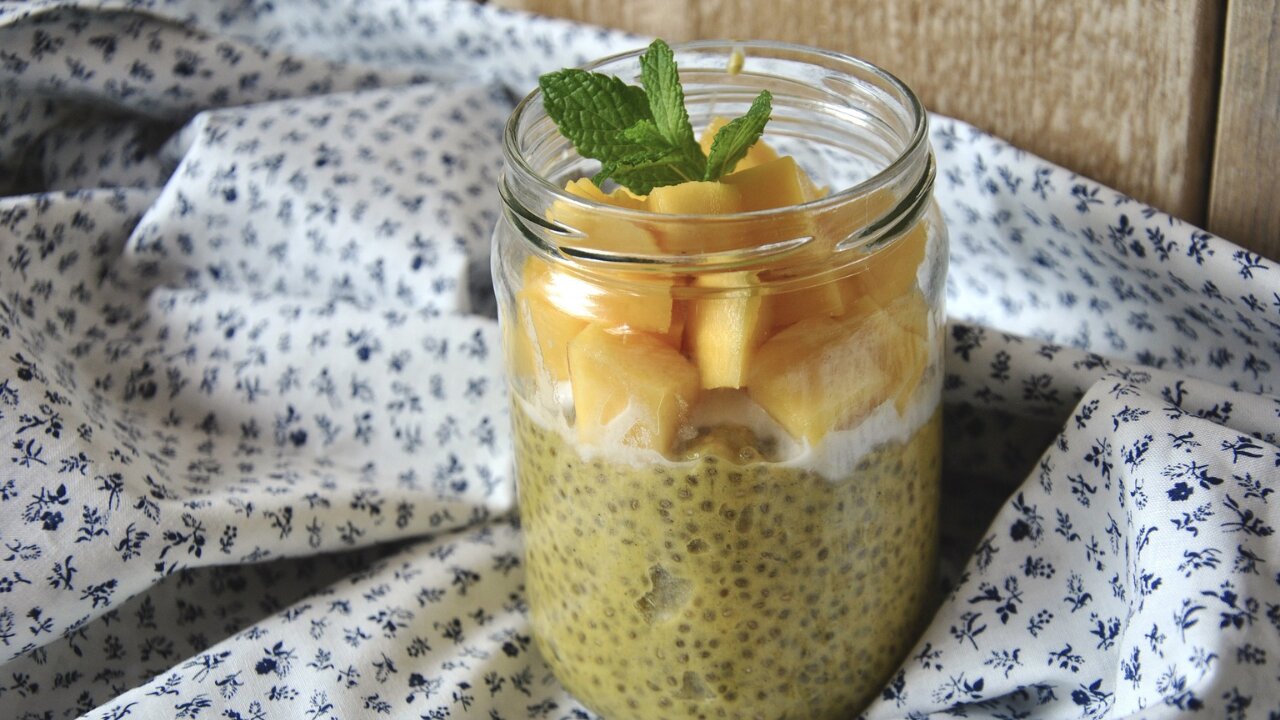
I started making chia pudding a few years ago as a quick, healthy breakfast option. Nothing fancy. Cashew milk, chia seeds, a pinch of cinnamon, mango blended into something silky on top. But here is what I did not expect: it became a thing. Not a health thing. A people thing. My sister started requesting it when she stayed over. My best friend and I began doing Sunday meal prep sessions that always started with a jar of it. My neighbor’s daughter, who is nine and deeply skeptical of anything that looks “weird,” now asks for “the pudding with the little dots” every time she visits.
Food has always been more than fuel. It is how we say I love you without using the words. It is how we show up for each other. And when you make something together, with your hands and your attention and your presence, you create a kind of closeness that no group chat or video call can replicate.
Why Preparing Food Together Changes Everything
There is actual science behind why cooking with other people feels so good. Research from Oxford University’s Dunbar lab has shown that communal eating and food preparation activates the same social bonding pathways that have kept humans connected for millennia. When you cook alongside someone, you enter a state of what psychologists call “behavioral synchrony,” where your movements and rhythms align. That alignment triggers the release of endorphins, the same chemicals responsible for the “runner’s high.” Except instead of running, you are chopping mango and debating whether a pinch of cinnamon means the same thing to both of you (it never does).
Think about the people in your life who matter most. Now think about your best memories with them. I would bet money that a significant number of those memories involve food. Not necessarily elaborate dinners or holiday feasts, but the quiet, unglamorous moments. Making pancakes on a Saturday morning with your kids. Teaching your younger sister how to use a blender without painting the ceiling. Sitting on the kitchen floor with your best friend at midnight, eating something ridiculous and talking about everything and nothing.
These moments stick because they combine two things our brains are wired to remember: sensory experience and emotional connection. The smell of cinnamon, the texture of chia seeds swelling in cashew milk, the sound of someone laughing at your terrible knife skills. All of it gets encoded together, creating memories that are richer and more durable than almost anything else we do.
What is the one dish that instantly brings you back to a moment with someone you love?
Drop a comment below and let us know. We want to hear the story behind it.
The Lost Art of Doing Simple Things Side by Side
Here is something I have noticed about modern friendship and family life: we have gotten incredibly good at being together while doing nothing together. We sit in the same room on different screens. We meet for coffee and spend half the time showing each other things on our phones. We love each other fiercely but sometimes struggle to actually be present with each other in a way that feels substantial.
Cooking together solves this problem without anyone having to announce that they are “putting their phone away” (which, let’s be honest, always feels a little forced). When your hands are busy, your phone naturally stays on the counter. When there is a task to focus on, conversation flows more easily because the pressure of eye contact is relieved. Psychologists call this “side-by-side interaction,” and research published in the Journal of Family Psychology suggests it is particularly effective for deepening bonds with people who are not naturally big talkers, including teenagers, partners who have had a long day, and friends going through something hard who are not ready to sit down and “talk about it.”
I experienced this firsthand with my teenage niece last summer. She was going through a rough patch, closed off and monosyllabic in that way teenagers perfect when they are hurting. I did not sit her down for a heart-to-heart. Instead, I asked if she wanted to help me make chia pudding for the next morning. She rolled her eyes but came to the kitchen anyway. And somewhere between measuring out the chia seeds and arguing about whether mango or strawberry was the superior fruit (mango, obviously), she started talking. Really talking. Not because I asked the right question, but because her hands were busy and the silence between us felt safe instead of expectant.
That is the magic of doing something simple together. It creates a container for connection that does not demand anything. You can talk or not talk. You can be silly or serious. The activity itself holds the space, so nobody has to.
Building Rituals That Your People Will Actually Keep
I am a big believer in rituals. Not the rigid, obligatory kind that feel like another item on your to-do list, but the gentle, recurring ones that give your relationships a rhythm. The kind where someone texts “chia pudding Sunday?” and everyone just knows what that means.
The beauty of something like chia pudding is that it requires almost no skill and very little time, which makes it the perfect anchor for a recurring gathering. You are not asking anyone to commit to a three-hour cooking project. You are asking them to show up, measure some ingredients into a jar, and hang out while it sits in the fridge. The barrier to entry is practically nonexistent, which means people actually follow through.
Here is what I have learned about building food rituals that last:
Keep It Absurdly Simple
The recipes that become traditions are never the complicated ones. They are the ones anyone can make, regardless of cooking ability. Chia pudding is six ingredients and five minutes of active effort. Your friend who burns toast can handle it. Your seven-year-old can handle it. Simplicity is what makes something repeatable, and repeatability is what turns a nice idea into an actual tradition. If you are building deep female friendships, these low-effort, high-connection rituals are worth their weight in gold.
Make It Personal
The reason my chia pudding sessions work is that everyone gets to make their own version. One friend is obsessed with adding cocoa powder. My sister insists on coconut milk instead of cashew. My neighbor’s daughter puts an alarming amount of granola on hers and calls it “crunchy soup.” When people get to put their stamp on something, they feel ownership over it, and that ownership deepens their investment in showing up.
Attach It to a Time, Not a Reason
Do not wait for birthdays or holidays or someone having a bad week. The most powerful rituals are the ones that happen on an ordinary Tuesday or a lazy Sunday morning. “Every other Wednesday” or “the first Saturday of the month” gives people something to look forward to without the pressure of a special occasion. Ordinary rituals make ordinary days feel less ordinary, and that is kind of the whole point.
Finding this helpful?
Share this article with a friend who might need it right now.
Teaching Kids (and Adults) That Nourishment Is an Act of Love
If you have children in your life, whether they are yours, your nieces and nephews, your best friend’s kids, or the neighborhood crew, making food together teaches them something that no lecture or textbook can. It teaches them that caring for yourself and others is a hands-on practice. That love is not just a feeling but a series of small, deliberate choices. That you can take simple ingredients and turn them into something that makes people’s mornings better.
Children who cook with adults develop more than just kitchen skills. A study in Pediatrics found that family meal involvement was associated with better dietary quality, improved social skills, and stronger family cohesion in children. But beyond the measurable outcomes, there is something intangible that happens when a child stands on a step stool and stirs chia seeds into a jar of cashew milk. They learn that they are capable. They learn that contributing to a household is satisfying. They learn that slowing down to make something with your hands is a valid, valuable way to spend time in a world that constantly tells them to go faster.
And honestly, adults need this reminder just as much. When was the last time you made something from scratch with your full attention, not while also answering emails or half-watching a show? The practice of being present with food is a practice of being present with life. It is one of the simplest forms of quieting the noise of external expectations and tuning into what actually matters to you.
A Recipe for Connection (That Also Happens to Taste Great)
Because I cannot write about chia pudding for 2,000 words without actually giving you the recipe, here is the version that has become the foundation of more good mornings and meaningful conversations than I can count.
Cashew Milk Chia Pudding with Mango Cream
What you need:
- 1 and a half cups cashew milk (homemade if you are feeling ambitious, store-bought if you are feeling human)
- 3 tablespoons chia seeds
- A pinch of Himalayan salt
- A pinch of cinnamon
- 1 cup fresh mango
- Half a cup of granola (homemade or your favorite brand)
What you do:
- In a mason jar (or any jar, we are not precious about this), mix the cashew milk with chia seeds, cinnamon, and salt.
- Shake it every 30 seconds for the first few minutes so the seeds do not clump. Then stick it in the fridge overnight.
- In the morning, blend the mango until it is smooth and creamy.
- Layer granola on the bottom of a clean jar, add the chia pudding, and top with the mango cream.
- Add a mint leaf if you want to feel fancy. Skip it if you do not. Either way, it is delicious.
- Eat it right away or keep it in the fridge for up to two days (it makes excellent meal prep for busy mornings).
The real instruction, though? Make it with someone. Text your sister. Call your friend. Invite your kid into the kitchen. Give everyone a jar and let them make it their own. The pudding is great, but the company is the point.
The Bigger Picture: Small Acts, Strong Bonds
We live in a culture that tells us connection should be dramatic and Instagram-worthy. Epic trips. Surprise parties. Grand gestures. And those things are wonderful when they happen. But the relationships that actually sustain us, the ones you can lean on at 2 AM when everything falls apart, are built in the kitchen on a Wednesday night. They are built in the repetition of showing up, of stirring and measuring and passing someone the cinnamon without being asked.
If your friendships feel shallow, if your family dinners have become silent, if you are craving more presence in your closest relationships, start absurdly small. One recipe. One jar. One invitation. You do not need to overhaul your social life. You just need to give people a reason to stand next to you for twenty minutes with their phones on the counter and their hands in something real.
That is how the good stuff grows. Not in grand declarations, but in granola at the bottom of a jar and the sound of someone you love saying, “Wait, how much cinnamon is a pinch?”
We Want to Hear From You!
Tell us in the comments which tip resonated most with you.
Read This From Other Perspectives
Explore this topic through different lenses