The Hidden Cost of Being the ‘Giver’ in Every Friendship and Family
That Friend Who Always Shows Up First
You know her. Maybe you are her. She’s the one who remembers every birthday, sends the “thinking of you” texts, organizes the group dinners, and shows up with homemade banana bread when life gets hard. In every friendship circle and family gathering, there’s someone who pours endlessly into the people around them. And somewhere along the way, that pouring starts to feel less like love and more like a job nobody asked her to clock into.
I spent years being that person. The friend who planned every outing. The sister who checked in on everyone. The one who kept the group chat alive with energy and warmth while quietly wondering why nobody ever asked how I was doing. And here’s what I’ve learned after a lot of honest, uncomfortable reflection: sometimes the most generous person in the room is also the one running from something.
This isn’t about shaming generosity. Giving is beautiful. But when giving becomes the only way we know how to earn our place in our friendships and families, something deeper is going on. And it’s worth looking at.
Have you ever been the friend who gives everything and still feels invisible?
Drop a comment below and let us know. You’re not the only one who has felt this way.
Why We Over-Give in Our Closest Relationships
There’s a pattern that starts early for a lot of us. Maybe you grew up in a household where love felt conditional, where you learned that being helpful meant being safe. Maybe you were the middle child who kept the peace, or the eldest daughter who became a second parent before she turned ten. These roles don’t just disappear when we grow up. They follow us into our adult friendships and family dynamics like shadows we forgot we were casting.
Research published in the Journal of Personality and Social Psychology has shown that people-pleasing tendencies are often rooted in early attachment experiences. When children learn that their value is tied to what they do for others (rather than who they simply are), they carry that belief into every relationship they build. The giving isn’t really about generosity. It’s about survival.
I can trace my own pattern back to childhood with uncomfortable clarity. I was the kid who didn’t quite fit in, not at school, not at family events, not anywhere that felt like it had a script I was supposed to follow. So I made myself useful. If I couldn’t belong by simply existing, I’d belong by being indispensable. By being the one who remembered, who cared, who showed up with something in hand.
And it worked. Until it didn’t.
The Moment the Resentment Creeps In
Here’s the thing nobody warns you about when you build your identity around giving: eventually, you start keeping score. Not consciously. Not in a spreadsheet. But somewhere in the back of your mind, a tally is running. You sent three thoughtful texts this week. She sent zero. You drove an hour to help her move. She forgot your birthday. You organized the family reunion. Nobody said thank you.
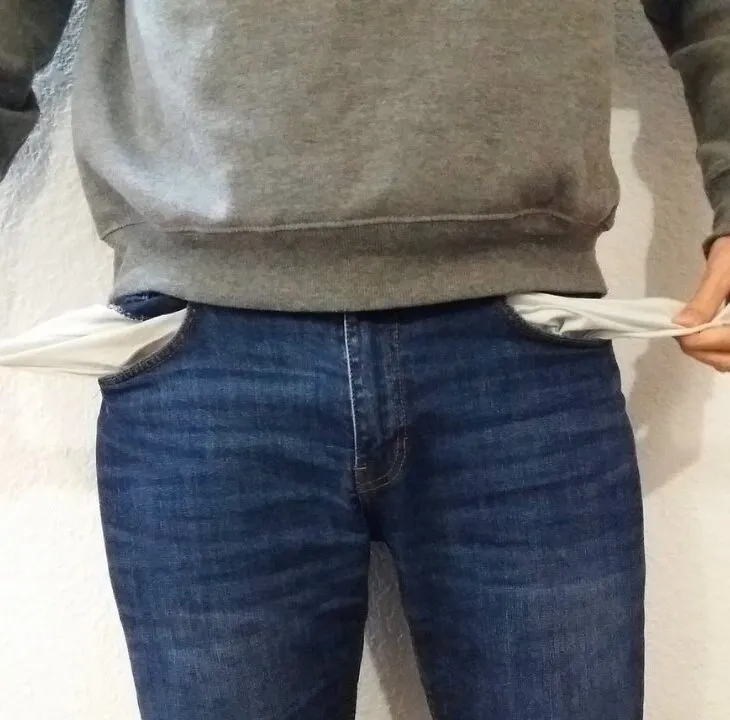
And then one day, you hit a wall. You’re exhausted, overwhelmed, maybe going through your own private crisis, and you look around and realize that the people you’ve poured into so generously are nowhere to be found. Not because they’re bad people. But because you never actually taught them that you need things too. You were so busy being the strong one, the giving one, the one who “doesn’t need anything,” that everyone believed you.
I hit that wall a few years ago. I’d spent months showing up for a close friend in every way I knew how. Care packages, encouraging messages, long phone calls where I listened for hours. When my own difficult season came, I waited for her to show up the way I had. She didn’t. And instead of recognizing the pattern, I got angry. I felt betrayed. How could she not reciprocate what I had so freely given?
But the truth, when I finally sat with it, was more complicated than her not caring. The truth was that I had been giving with invisible strings attached the entire time. Every “just because” gesture carried a silent hope: please see me. Please tell me I matter. Please prove that I’m worth keeping around.
That realization stung more than any rejection ever could.
The Difference Between Giving and Performing
There’s a crucial difference between giving from a full cup and performing generosity from an empty one. When we give from wholeness, there’s no scorecard. There’s no pit in your stomach when the gesture isn’t returned. You gave because you wanted to, full stop.
But when we give from a place of not yet knowing our own worth, every act of generosity becomes a transaction we didn’t tell the other person they were entering. We’re performing the role of “good friend” or “supportive sister” because we believe, deep down, that without the performance, we don’t have a seat at the table.
According to clinical psychologist Dr. Harriet Braiker, author of The Disease to Please, chronic people-pleasers often confuse approval with love. As she wrote, “approval-seeking is an addiction that is never truly satisfied,” and that pattern plays out most painfully in our closest personal bonds. A Psychology Today overview on people-pleasing echoes this, noting that the habit frequently damages the very relationships it’s meant to protect.
Finding this helpful?
Share this article with a friend who might need it right now.
How Over-Giving Quietly Damages Friendships and Family Bonds
When we over-give, we create an imbalance that nobody asked for, and the fallout can be surprisingly destructive.
First, it breeds resentment in us. We start viewing the people we love through a lens of “what have you done for me lately,” which poisons even the sweetest relationships. The friend who used to make us laugh now makes us bitter. The sibling we adored becomes a source of frustration. We tell ourselves they’re selfish, but often the real issue is that we never communicated our needs in the first place.
Second, it creates guilt in them. People can sense when generosity comes with strings, even if they can’t name it. Your friend might pull away not because she doesn’t care but because your giving feels heavy. It feels like a debt she didn’t agree to carry. That dynamic turns what should be a mutual, joyful connection into something that looks more like obligation.
Third, it prevents real intimacy. When you’re always the giver, you never let anyone see you in your mess. You never let someone bring you soup when you’re sick, or sit with you when you’re falling apart. You rob your people of the chance to love you back. And in doing so, you confirm your own worst fear: that nobody is there for you. But they can’t be there for someone who never lets them in.
Learning to Give Without Losing Yourself
I want to be clear: this isn’t about stopping giving altogether. Some of us are naturally generous, and that is a genuinely wonderful quality. The work isn’t about shutting down. It’s about getting honest.
Now, before I send a care package or offer to take on something for a friend, I ask myself two simple questions:
- Would I be okay if this gesture went completely unacknowledged?
- Am I giving because I want to, or because I’m afraid of what happens if I don’t?
If the answer to the first question is no, or the answer to the second leans toward fear, I pause. That doesn’t mean I don’t give. It means I check my motives first. And sometimes, the most loving thing I can do for a relationship is to sit with my own discomfort instead of covering it up with another thoughtful gesture.
Practical Shifts That Changed My Friendships
A few things have genuinely helped me rebuild healthier patterns in my friendships and family relationships:
I started asking for help out loud. Not hinting. Not hoping someone would notice. Actually saying, “I’m having a rough week. Can you call me tonight?” The first few times felt terrifying. But the friends who showed up? Those are the ones worth keeping.
I let some friendships get quieter. Not every bond needs constant tending. Some of my healthiest friendships now are the ones where we go weeks without talking and pick right back up without guilt. Letting go of the need to be the constant connector was one of the most freeing things I’ve done.
I stopped performing closeness with family. In my family, I had always been the one who called, who visited, who organized. When I stepped back, some of those relationships got thinner. And that was painful but clarifying. It showed me which connections were mutual and which ones I had been carrying alone.
I got comfortable with being “less.” Less available, less accommodating, less eager to prove my worth through effort. And surprisingly, the people who truly love me didn’t flinch. They adjusted. Some even said, “I’m glad you’re finally letting us do something for you.”
The Harvard Health Letter has noted that strong, reciprocal social bonds are among the most powerful predictors of long-term health and happiness. The key word there is reciprocal. One-sided giving doesn’t build strong bonds. It builds burnout.
You Were Always Worth Keeping Around
If you recognize yourself in any of this, I want you to hear something clearly: you don’t have to earn your place in your own family. You don’t have to buy your way into friendships with thoughtfulness and effort. The people who are meant for you will love you on your quiet days, your empty-handed days, your “I have nothing to offer right now” days.
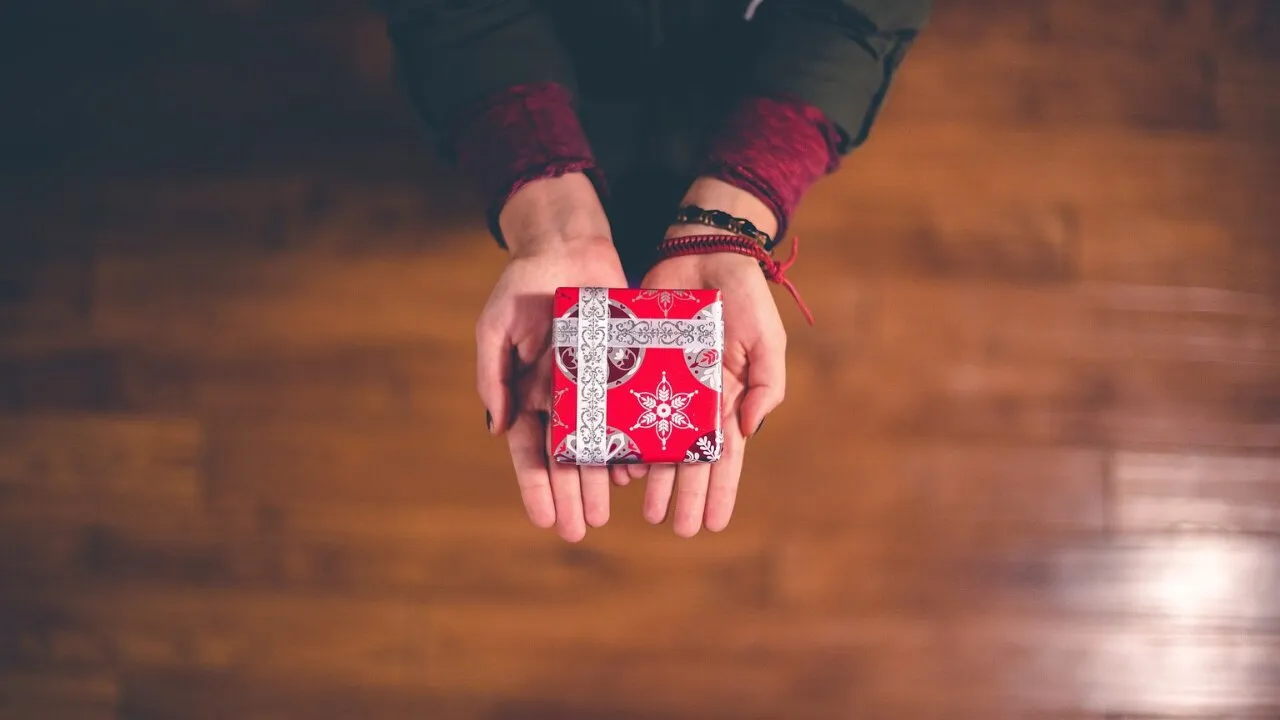
The hardest and most important thing I’ve learned is that believing you are enough without the performance of generosity is its own kind of brave. It means sitting in the discomfort of being seen without a gift in your hands. It means trusting that your presence, just your presence, is the offering.
You were never the extra at the table. You were always someone worth making room for. And the sooner you believe that, the sooner your giving becomes what it was always supposed to be: free, joyful, and completely without strings.
We Want to Hear From You!
Tell us in the comments which part of this hit home for you. Whether it’s a friendship, a family dynamic, or a pattern you’re just starting to see, your story might be exactly what someone else needs to read today.
Read This From Other Perspectives
Explore this topic through different lenses