Life Lessons From Becoming a New Mom That Apply to Everyone
The Unexpected Wisdom That Comes From Welcoming a New Life
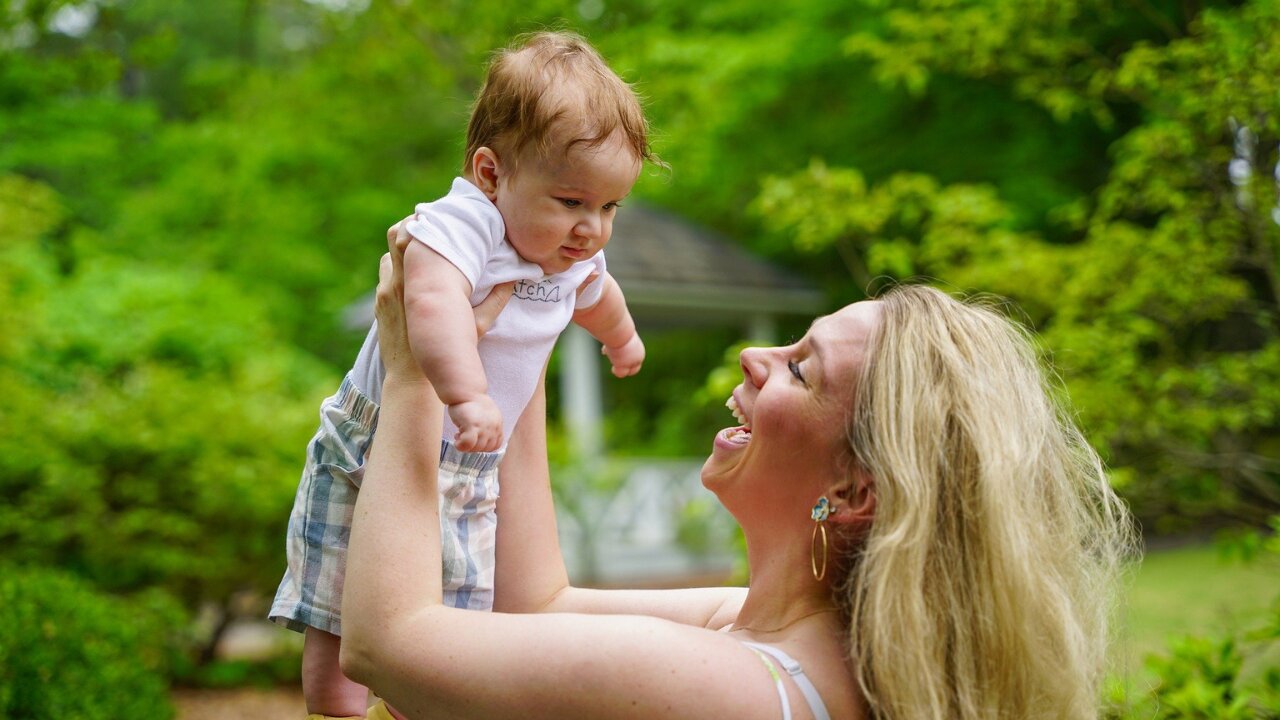
I recently became a mum to a beautiful boy named Jett. Since his birth, I have personally discovered what many women have before me: having a child can be our greatest teacher. I have read countless books, listened to podcasts, and scrolled through blogs searching for wisdom, but honestly, none of them have delivered their lessons as powerfully as birthing and caring for a newborn has.
It has been a wild, transformative ride, and I want to share the insights that have emerged through sleepless nights, tender snuggles, and moments of complete surrender. Even if you are not a mama, stay with me here. These lessons transcend parenthood and speak to the universal human experience of growth, healing, and self-discovery.
Giving Ourselves Permission to Reflect and Heal
I have never felt as proud as I did the day my son was born. I felt the strength of all women flowing through me and was completely in awe of what we are capable of. However, like many of us, my birth did not unfold the way I had envisioned.
I had hoped for an all natural birth with a peaceful water delivery. Instead, our lovely little boy was posterior and stuck in an awkward position that prevented him from moving down. Without going into all the details, the second half of our son’s birth looked nothing like what I had planned.
Experiencing a life changing event such as birth can leave us feeling shell shocked. Yet we often expect ourselves to be strong for everyone else and simply move forward to the next task, especially when there is a newborn requiring constant care. We do not allow ourselves the time to reflect and heal, or even just pause to check in and see if there are tears that need to be shed.
After sharing this realization on my Instagram account, I received messages from so many women who could relate. Some still felt they had unprocessed emotions around their birth experiences years later. Research from the American Psychological Association confirms that unprocessed traumatic experiences can manifest as anxiety, depression, and difficulty bonding, which is why giving ourselves space to heal matters so deeply.
How This Applies to Everyday Life
If we are continually looking toward the next thing, focusing only on positives and keeping ourselves perpetually busy, we miss the opportunity for growth, acceptance, and genuine healing that lives within us.
The emotions we refuse to acknowledge can surface as anxiety, irritability, or a sense of being constantly overwhelmed. We try so hard to stay above it all that we never actually move through it.
Giving ourselves the opportunity to release does not have to be frightening. It can be beautiful. A cleansing practice might look like lighting a candle in a quiet room, grabbing a journal, and simply allowing whatever needs to come up to flow onto the page. We do not need to understand exactly what emotion is arising or even why we feel it. Simply creating space to let go without judgment is a powerful place to start.
One practice that has helped me tremendously is repeating the Hawaiian prayer called Ho’oponopono:
“I love you, I am sorry, Please forgive me, Thank you”
This simple mantra creates a container for releasing what no longer serves us while cultivating compassion for ourselves and others.
Have you ever used a mantra or healing practice to process difficult emotions?
Drop a comment below and let us know what has worked for you.
The Art of Setting Loving Boundaries
When Jett was born, we kindly asked for a week to settle into our new life before having visitors (apart from my mum and sisters who live nearby). I personally found the first week with a newborn quite overwhelming. Learning how to breastfeed, discovering how to care for a tiny human, and catching up on rest consumed all my energy. Adding extra people and their energy into the mix would have pushed me past my capacity.
By allowing ourselves that first week to settle in with quiet time, we became confident and well rested more quickly than I expected. However, I have heard from many couples who felt pressure to accommodate the wants and needs of family members and friends instead of honoring their own needs.
How This Applies to Everyday Life
I have found that when we are unclear about our own boundaries, resentment builds easily. We judge and blame others for overstepping or taking advantage, when really we simply have not loved ourselves enough to set clear boundaries and express what we need.
According to research published by Psychology Today, healthy boundaries are essential for maintaining mental health and building respectful relationships. When we communicate our limits lovingly, we do a favor not only to ourselves but to others as well. We remove the guesswork and give people the opportunity to show up for us in ways that genuinely support our wellbeing.
Have you ever struggled to say no because you did not want to hurt someone’s feelings? I certainly have. The beautiful truth is that clear, compassionate communication usually strengthens relationships rather than damaging them. People respect those who respect themselves enough to be honest about their needs.
Surrendering to What We Cannot Control
Having a baby has been the ultimate lesson in learning to surrender. I trust our little one and listen carefully to what he is trying to tell me. When nothing else works, I simply surrender to the moment, hold him close, and love him as much as I can.
I remind myself that this moment will not last forever. I will not be trying to get my baby to sleep for this same nap in ten years, or even tomorrow. Things will shift, he will fall asleep eventually, and soon I will be thinking about something entirely different.
I also want to acknowledge that when things feel like too much, stepping away is not weakness. It is actually one of the strongest choices we can make. Ensuring our baby is safe and then taking a moment to regroup is essential self preservation.
How This Applies to Everyday Life
When we cannot control a situation, all we can truly do is trust, surrender, and give ourselves some perspective. This approach removes so much unnecessary worry, fear, anxiety, and the exhausting need for control.
Surrender reminds us that we do not need to have all the answers. Perhaps things are unfolding exactly as they need to, and there is a hidden gift we cannot yet see. This does not mean becoming passive or giving up. It means releasing our grip on outcomes we cannot control while staying present and responsive to what is actually happening.
Finding this helpful?
Share this article with a friend who might need it right now.
Self Care Looks Different in Every Season
Before having a baby, I was fully committed to self care, mindfulness, and making myself a priority. This could easily consume hours of my day, and I loved every minute of it. Obviously, when we become a mom, things shift dramatically. Suddenly I feel fortunate if I manage to get dressed, eat breakfast, and put on a bit of makeup. Even drinking enough water throughout the day has become a genuine challenge.
But that does not mean I have abandoned self care. It simply looks different right now.
I still recognize that I need to put myself first, because if I am not functioning, my baby cannot thrive. If I do not love on myself in the ways that I can, resentment builds, my relationship with my partner suffers, and the entire experience of having a newborn becomes something I wish away rather than cherish.
What Self Care Looks Like Now
My self care practices change daily, but here are some examples that work for me. These can be implemented whether you have a baby or not.
Deep, slow breaths: When I am calm, my baby feels it. When I am frustrated, it only makes him more worked up. Connecting with my breath and grounding myself benefits both of us. I especially love the technique of breathing in for a count of four, pausing for two, and breathing out for eight. The Harvard Health website confirms that controlled breathing activates our parasympathetic nervous system, helping us shift from stress to calm.
Choosing gratitude: It may sound simple, but gratitude has genuinely saved my sanity at times. I want to show up fully for Jett, and it is not his fault when he gets upset. As soon as I feel myself becoming frustrated, I deliberately list everything I feel grateful for. Before long, gratitude replaces frustration and I can show up for him in a completely different way.
Admitting when I need support: One night when my partner was at work, I sat at home crying while Jett refused to settle. I felt isolated and alone. Then reality hit me: why did I feel the need to handle this by myself and be perfect? That sparked a conversation about what I needed and how we could support each other as parents, which ultimately brought us closer as a couple.
We were lucky to have friends who offered help when Jett was born. “Let us know if you need anything,” they said. Yet it is so easy not to ask. We automatically feel we need to do everything ourselves and keep pushing forward. Sometimes we need to admit, both to ourselves and those around us, that we need a little help. Reaching out is not weakness. It is a profound act of self love.
Small acts of love: I was changing the sheets on our bed the other day and felt genuinely excited about the fresh feeling I would have climbing in later that night. Simple acts like cleaning up and putting on fresh linens are forms of self care I never fully appreciated until now.
The biggest self care practice of all is treating ourselves with kindness and compassion. Taking the pressure off to be everything to everyone. Instead of highlighting all the areas where we think we are falling short, we can offer ourselves recognition for all the ways we are showing up, even when it feels imperfect.
Writing Your Own Story
How often do we hear about the importance of being mindful about our self talk? I want to emphasize just how crucial this really is. Personally, I found there seemed to be a general narrative around having a newborn that the world constantly echoes: that it is extremely hard and exhausting. This story can generate a lot of fear before we even begin.
When I discovered I was enjoying the experience more than I had expected, I started to question myself. I felt guilty for having a slightly different reality, worried I might make other mothers feel inadequate.
During a walk one morning, I was questioning myself and the fact that I felt better than I had anticipated. In that moment, I gave myself permission to create a new story: “I can thrive with a newborn.”
Suddenly, I felt a sense of relief and empowerment. I was giving myself permission to feel all the emotions that come with having a baby while also recognizing that everyone’s experience is allowed to be unique. It does not make anyone better or worse than anyone else. I still definitely feel tired and have challenging moments, but exhaustion and struggle were no longer the only script for my entire experience.
How This Applies to Everyday Life
Get clear on your own story and examine what narratives you may have absorbed from society, family, or past experiences. How can you shift your thoughts to create a reality that feels more aligned with who you truly are and who you want to become?
We all carry stories that were handed to us by others. Some serve us well. Others keep us small, afraid, or disconnected from our own truth. The beautiful news is that we have the power to examine these stories and consciously choose which ones we want to keep and which ones we want to release.
Embracing the Journey
These five lessons, giving ourselves time to heal, setting loving boundaries, surrendering to what we cannot control, adapting our self care practices, and writing our own story, have transformed not just my experience of motherhood but my entire approach to life.
Whether you are navigating new parenthood, a career transition, a relationship challenge, or simply the beautiful complexity of being human, these principles offer a foundation for moving through life with more grace, self compassion, and authentic connection.
The journey is never perfect. There will be sleepless nights (literal or metaphorical), moments of doubt, and times when we feel completely overwhelmed. But within each challenge lies an invitation to grow, to heal, and to become more fully ourselves.
We Want to Hear From You!
Which of these lessons resonates most with where you are in your life right now? Share your thoughts in the comments below.