How Family Dynamics and Friendships Shape the Self-Sabotaging Patterns You Cannot Seem to Break
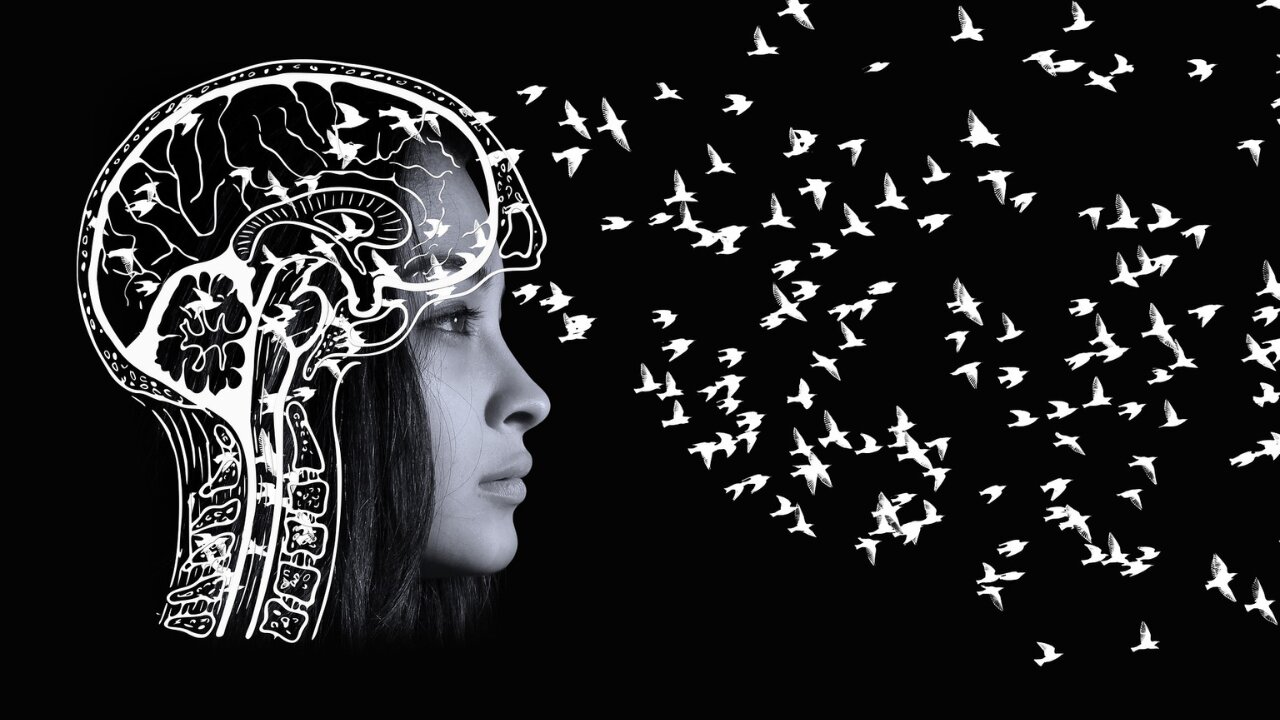
Let’s get honest about something most of us have never thought to question: the patterns that trip you up most, the ones that leave you feeling frustrated and confused about your own behavior, did not develop in a vacuum. They were shaped at kitchen tables, during family holidays, in the backseat of your mother’s car, and across countless dinners with people you love. Your self-sabotaging patterns are not personal failures. They are relational imprints. And if you want to finally understand why you keep getting in your own way, you need to look at the relationships that built you.
This is not about blaming your family or your friends. Far from it. It is about recognizing that the way you learned to cope, to soothe, to control, and to rebel was taught to you through your closest bonds. And those bonds still influence you every single day, whether you realize it or not.
The Family Table: Where Your Patterns Were Born
Think back to your childhood for a moment. How did your family handle stress? How did they celebrate? How did they comfort you when you were upset? For many of us, food was at the center of all of it. A bad day at school was met with cookies. A family gathering meant pressure to eat more, try everything, clean your plate. Love and food became tangled together so early that most of us never learned to separate the two.
Research from the American Psychological Association confirms what many therapists have long observed: family systems play a foundational role in how individuals develop coping mechanisms, emotional regulation, and self-concept. The patterns you carry into adulthood, the ones that seem so personal and so stubborn, often trace directly back to family dynamics you absorbed before you had the language to question them.
Maybe your mother was always on a diet, and you internalized the idea that controlling food was the same as having your life together. Maybe your father showed love through cooking, and refusing seconds felt like rejecting his affection. Maybe mealtimes were tense, chaotic, or unpredictable, and you learned to eat quickly and quietly just to survive the atmosphere.
These are not small things. They become the invisible scripts that run in the background of your daily choices. And they do not stop running just because you have moved out, grown up, or started a family of your own.
Can you trace any of your current habits back to your family dinner table?
Drop a comment below and let us know what family pattern you are just now starting to see clearly.
The Roles We Play: How Family Positions Create Inner Conflict
Here is something that took me a long time to understand. In every family, people take on roles. The responsible one, the peacekeeper, the rebel, the overachiever, the one who holds it all together. These roles feel like personality traits, but they are often survival strategies that developed in response to your family’s specific dynamics.
And those roles? They fracture you internally. The daughter who learned to be “the good one” develops an inner perfectionist that monitors her every move. The sister who was always told she was “too much” develops a part that hides, that eats in secret, that shrinks to fit the space others allow her. The friend who became the caretaker in her group develops an inner voice that says her own needs do not matter.
According to a comprehensive study published in the Journal of Family Psychology, the roles individuals adopt within their family of origin significantly predict their emotional regulation strategies and interpersonal behaviors in adulthood. In plain terms: the part you played growing up is still directing your behavior now.
This is why you can feel like two entirely different people depending on who you are with. Around your parents, you might revert to old patterns instantly. Around certain friends, you might feel free and confident. Around others, you might notice yourself shrinking, performing, or overcompensating. These are not mood swings. They are relational selves, activated by the people and dynamics around you.
Friendships That Trigger (and Friendships That Heal)
Your family of origin laid the groundwork, but your friendships continue the construction. The friends you keep, the social dynamics you tolerate, and the way you show up in your closest bonds all reinforce or challenge the patterns you carry.
Think about the friend who always seems to have her life perfectly curated. Being around her might activate your inner critic, the part of you that says you are not doing enough, not disciplined enough, not together enough. Or think about the friend group that bonds over indulgence, where every gathering revolves around excess and anyone who tries to set a boundary gets teased for being “no fun.” That dynamic feeds the rebellious part of you, the one that associates breaking rules with connection and belonging.
Neither of these dynamics is necessarily toxic. But they are powerful. And if you are not aware of how your social environment is interacting with your internal patterns, you will keep cycling through the same frustrating loops without understanding why.
The friendships that help you break these patterns are the ones where you feel safe being honest. Where you can say, “I am struggling with this,” without being judged, fixed, or dismissed. These are your soul sister connections, and they are worth more than any wellness program.
Finding this helpful?
Share this article with a friend who might need it right now.
Three Shifts to Start Breaking the Cycle in Your Relationships
1. Name the Pattern Out Loud, Preferably to Someone You Trust
Self-sabotaging patterns thrive in secrecy and shame. They lose a tremendous amount of power when you speak them into the open. This does not mean you need to announce your struggles at the next family dinner. But telling one trusted person, a friend, a sister, a partner, what you are noticing can shift everything.
Something remarkable happens when you say, “I notice that every time I visit my parents, I come home and completely abandon all the routines that make me feel good.” Naming the pattern to someone who cares about you creates accountability without punishment. It also invites them to support you in ways they could not have before, because they did not know what you needed.
2. Identify the Relational Trigger, Not Just the Behavior
Most of us focus on the behavior we want to stop. But the behavior is the symptom, not the source. Start paying attention to what happens before the pattern kicks in. Was there a phone call with your mother that left you feeling small? A group text where you felt excluded? A moment with your partner where you swallowed what you really wanted to say?
When you start tracking the relational triggers rather than just the behavioral outcomes, you begin to see the real architecture of your patterns. And that is where lasting change lives. It is the same principle behind letting go of rigid approaches that only address the surface. The deeper work is always relational.
3. Reparent the Pattern Through Your Current Relationships
Here is the part that changes everything. You do not have to go back and fix your childhood to heal the patterns that came from it. You can create corrective experiences right now, in the relationships you already have.
If your family taught you that love means self-sacrifice, practice receiving generosity from a friend without immediately trying to repay it. If your social circle reinforced the idea that your worth is tied to your appearance or discipline, seek out (or nurture) friendships where you are valued for your mind, your humor, your presence. If your family dynamic made vulnerability feel unsafe, practice small moments of honesty with people who have shown you they can hold it.
The Gottman Institute’s research shows that relationships characterized by consistent, small positive interactions can fundamentally reshape our emotional templates over time. You do not need a dramatic intervention. You need steady, safe connection that teaches your nervous system a new story.
Passing It Forward: What You Model for the People Who Watch You
If you have children, nieces, younger friends, or anyone who looks up to you, this work takes on an even deeper significance. The patterns you carry do not stop with you unless you choose to interrupt them. Your daughter is watching how you talk about yourself. Your niece notices whether you eat freely at family gatherings or sit rigid with anxiety. Your younger friends are absorbing your relationship with control and pleasure, even when no one is discussing it directly.
Breaking self-sabotaging patterns is not just personal growth. It is a gift to your entire relational ecosystem. When you stop mistaking self-criticism for motivation, you model something radical for the people around you. You show them that a woman can be imperfect, aware, and completely worthy of her own compassion, all at the same time.
That is the legacy worth leaving. Not a perfect track record, but an honest one. Not a family that never struggled, but a family that learned to talk about it.
So start where you are. Look at the relationships around you with fresh eyes. Notice which ones activate your oldest, most exhausting patterns, and which ones invite you to show up as the version of yourself you are still growing into. The answers are already there, sitting at your table, walking beside you, waiting for you to stop performing and just be real.
We Want to Hear From You!
Tell us in the comments which relationship pattern surprised you most when you finally saw it clearly.
Read This From Other Perspectives
Explore this topic through different lenses