How a Simple Raw Vegan Recipe Could Become Your Next Profitable Side Hustle
How a Simple Raw Vegan Recipe Could Become Your Next Profitable Side Hustle
Hey love! Let me paint a picture for you. You’re in your kitchen on a Sunday afternoon, rolling little balls of raw vegan chocolate goodness between your palms. Your friend tries one, her eyes go wide, and she says the five words that change everything: “You should sell these, seriously.”
Sound familiar? Maybe it’s not chocolate donut holes for you. Maybe it’s your granola, your energy bites, or your cashew cheesecake. But somewhere along the way, someone told you that the thing you make with love could also make you money. And they weren’t wrong.
The plant-based food market is projected to reach over $77 billion globally by 2030, according to Grand View Research. That’s not a niche anymore, friend. That’s a full-blown industry. And women are leading some of the most exciting brands in this space. The question isn’t whether there’s room for you. The question is whether you’re ready to take what you already love doing and turn it into something that pays.
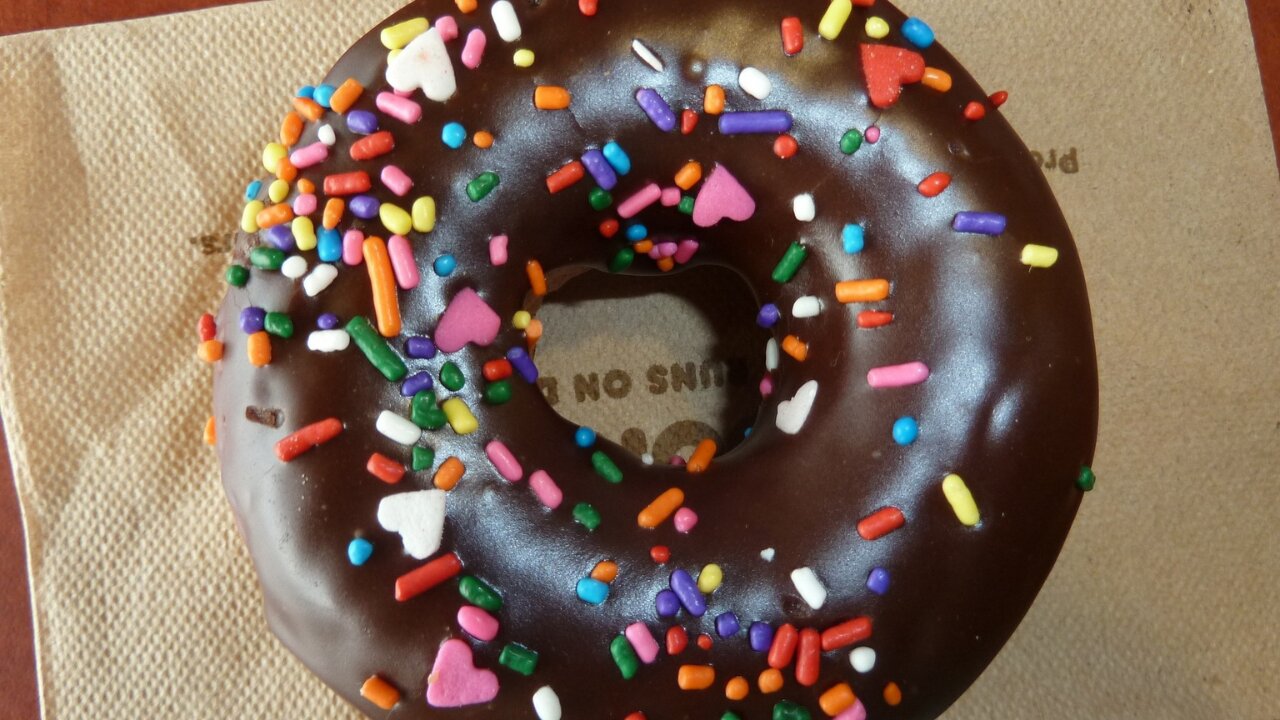
Today, I want to walk you through exactly how a simple raw vegan recipe (like those irresistible chocolate donut holes I can’t stop making) can become a real, revenue-generating business. We’re talking numbers, strategy, and the honest truth about what it takes.
The Real Reason Food Businesses Built on Passion Actually Work
Here’s what most business advice gets wrong. People will tell you to “find a gap in the market” and fill it. But some of the most successful small food brands didn’t start with market research. They started with a woman who made something so good that people literally would not stop asking for more.
That’s not an accident. When you genuinely love what you create, it shows. Your energy goes into perfecting the texture, sourcing the best cacao powder, figuring out whether mesquite or lucuma gives a better depth of flavor. You become an expert without even trying. And that expertise? That’s your competitive advantage.
The raw and plant-based food space is especially ripe for passion-driven entrepreneurs because customers in this market care deeply about authenticity. They want to know the person behind the product. They want a story, not just a nutrition label. If you’ve been perfecting your raw vegan chocolate donut holes at home for months, you already have that story.
Have you ever had someone tell you that you should sell what you make in the kitchen?
Drop a comment below and let us know what your “signature” recipe is. We’d love to hear about it!
Breaking Down the Numbers: What It Actually Costs to Start
Let’s get into the part that scares most of us: money. One of the biggest myths about starting a food business is that you need a huge investment upfront. But with raw vegan treats, your startup costs can be surprisingly low.
Here’s a rough breakdown for a small-batch operation making something like raw chocolate donut holes:
Ingredients (Per Batch of 15 to 20 Pieces)
Almond flour, cacao powder, Medjool dates, coconut syrup, mesquite and lucuma powders, vanilla extract, coconut oil, and sea salt. A single batch of premium ingredients runs roughly $15 to $22, depending on where you source them. Buying in bulk from wholesale suppliers can bring that down to $10 to $14 per batch.
Equipment
You likely already own the most important piece: a food processor. Add parchment paper, packaging materials, and labels, and you’re looking at maybe $50 to $100 to get started. A dehydrator (optional but great for texture) runs about $40 to $80 for a solid entry-level model.
Pricing for Profit
This is where it gets exciting. Raw vegan treats command premium pricing. At farmers’ markets and online shops, handmade raw chocolate bites sell for $8 to $14 for a small package of 6 to 8 pieces. If your batch of 20 donut holes costs you $15 in ingredients, and you sell them in packs of 6 for $10, that’s over $30 in revenue per batch. After all costs, you’re looking at solid margins, often 50% or higher.
The U.S. Small Business Administration recommends that food entrepreneurs aim for at least 50% gross margins, and raw vegan products naturally land in that sweet spot because the perceived value is high and the ingredients, while quality, don’t require expensive processing equipment.
Three Paths to Market (Pick the One That Fits Your Life)
Not every food business looks the same, and that’s the beauty of it. Here are three realistic paths to start selling your creations, each with a different level of commitment.
Path 1: The Weekend Market Seller
Farmers’ markets and local pop-ups are the lowest barrier to entry. Most markets charge $25 to $75 per booth per weekend. You show up with your product, a cute display, and your personality. This is where you test pricing, get real-time customer feedback, and start building a following. Many successful food brands, including some you see in Whole Foods today, started at a folding table on a Saturday morning.
Path 2: The Online Micro-Brand
If you’re more of a digital person, platforms like Etsy, Shopify, or even Instagram direct sales let you reach customers beyond your zip code. Shelf-stable raw vegan treats ship well, especially when you factor in that dehydrating step that gives them a longer life. You’ll need to invest in packaging and shipping logistics, but you can start with small runs and scale as demand grows.
Path 3: The Wholesale Supplier
Once you’ve proven your product at markets or online, local coffee shops, juice bars, yoga studios, and boutique grocery stores are always looking for unique offerings. Wholesale margins are slimmer (you’ll sell at roughly 50% of retail), but volume makes up for it. One steady wholesale account can replace dozens of individual sales.
Whichever path you choose, the key is to start small, learn fast, and reinvest your profits. You don’t need to quit your day job tomorrow. As someone who believes deeply in accessing business the right way, I always say: build the bridge while you’re still standing on solid ground.
Finding this helpful?
Share this article with a friend who’s been dreaming about turning her kitchen creations into a business.
The Legal Stuff You Can’t Skip
I know, I know. This is the unsexy part. But listen, getting this right from the start saves you headaches (and money) later.
Most states have “cottage food laws” that allow you to sell homemade foods directly to consumers without a commercial kitchen, as long as you meet certain conditions. These usually include annual revenue caps (often $25,000 to $75,000), labeling requirements, and restrictions on where you can sell. Check your state’s specific regulations because they vary widely.
If you plan to sell online or wholesale, you’ll likely need a commercial kitchen, a food handler’s permit, and possibly a business license. Many cities have shared commercial kitchen spaces that rent by the hour, which keeps costs manageable while you’re growing.
The Forbes Business Council highlights that understanding your local food regulations early is one of the top factors that separates successful food startups from those that stall out. Don’t let this intimidate you. It’s just paperwork, and you’ve handled harder things.
Building a Brand People Remember
Here’s where your personality becomes your greatest asset. In a market full of health food products with minimalist packaging and generic wellness language, the brands that win are the ones with a voice.
Think about what makes your approach special. Maybe it’s the fact that you source high-quality Medjool dates from a specific farm. Maybe it’s that you developed your recipe while figuring out how to eat healthy without feeling deprived. Maybe it’s your story of healing your relationship with food. Whatever it is, that personal thread is what turns a product into a brand.
A Few Branding Essentials to Get Right Early
Your brand name should be memorable and easy to spell. Your packaging should reflect the quality of what’s inside. Your social media presence should feel like a conversation, not a commercial. And your “why” should be woven into everything you do.
You don’t need a $5,000 brand identity package to start. A clean logo from a freelance designer ($100 to $300), consistent colors and fonts across your social media, and a genuine voice in your captions will take you further than you think.
The Mindset Shift That Makes All the Difference
Here’s the honest truth that I wish someone had told me earlier. The hardest part of turning your kitchen passion into a business isn’t the recipe, the marketing, or even the money. It’s the moment you have to put a price tag on something you’ve been giving away for free.
We’ve been conditioned to think that if we love doing something, we shouldn’t charge for it. That cooking for people is an act of love, not commerce. And while it absolutely is an act of love, it can also be an act of self-investment. Charging what you’re worth doesn’t diminish the love you put into your food. It honors it.
Every time you price your raw vegan chocolate donut holes at what they’re actually worth (not what you think people “will” pay, but what the quality, time, and expertise demand), you’re making a statement. You’re saying that your skill matters. That your time matters. That the wellness you’re creating for others is valuable.
And that, my friend, is the most important ingredient in any business.
Your First Steps This Week
If this article lit something up inside you, here’s what I want you to do before the week is out:
1. Pick your signature product. Choose the one recipe that people lose their minds over. That’s your starting point.
2. Do the math. Calculate your ingredient cost per batch, figure out your packaging cost, and set a price that gives you at least 50% margins.
3. Test it. Bring a batch to work, to a friend’s gathering, or to your local community event. Watch people’s reactions and ask for honest feedback.
4. Research your state’s cottage food laws. Spend 30 minutes understanding what you can and can’t do from your home kitchen.
5. Tell one person your plan. There’s power in saying it out loud. It makes it real.
You don’t need to have everything figured out. You just need to start. The raw vegan market is growing, the demand for thoughtfully made treats is real, and you already have the most important thing: something delicious that people want more of.
We Want to Hear From You!
Tell us in the comments: have you ever thought about turning a recipe into a business? What’s holding you back, or what’s pushing you forward? Your story might be exactly what another woman needs to hear today.
Read This From Other Perspectives
Explore this topic through different lenses