How Diet Culture Quietly Damages Your Family Dinners, Friendships, and the Way You Show Up for People You Love
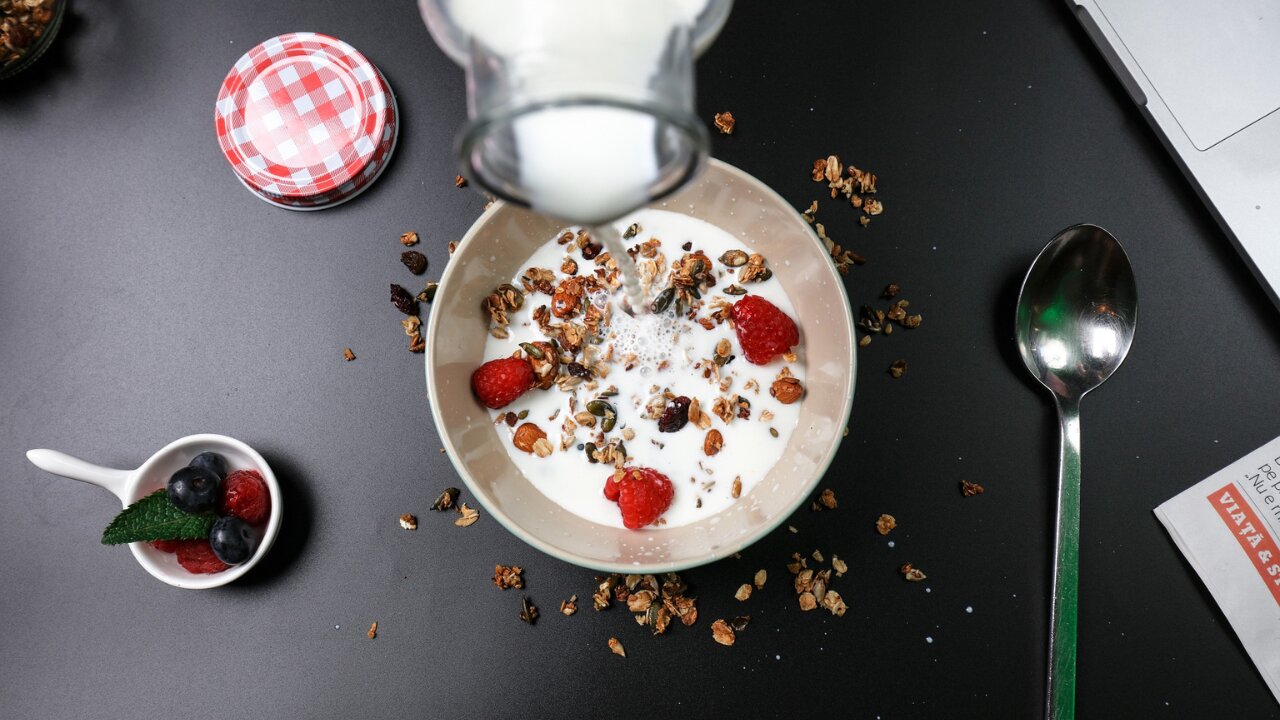
If you have ever watched your mother push food around her plate while telling everyone else to eat up, you already know something important. The way we relate to food is never just about food. It is deeply, unavoidably personal, and it ripples outward into every relationship we hold close. Our family tables, our friendships, our parenting, and our sense of belonging are all shaped by the stories we carry about our bodies and what we put into them.
Diet culture does not exist in a vacuum. It lives in the comments your aunt makes at Thanksgiving. It shows up when your best friend cancels brunch because she “was bad this weekend.” It echoes in the way your daughter watches you step on a scale. And perhaps most painfully, it wedges itself between you and the people you love, turning meals that should be moments of connection into performances of control.
The Dinner Table Nobody Talks About
Think about the most meaningful moments in your closest relationships. Chances are, many of them happened around food. Birthday cakes, holiday feasts, late night kitchen conversations with a friend, teaching your child to cook a family recipe. Food is one of the most fundamental ways we express love, build community, and create belonging.
Now think about what happens when someone at the table is on a diet. The energy shifts. There is guilt in the air, quiet calculations happening behind someone’s eyes, and a subtle tension between enjoyment and restriction. Research published in the journal Appetite has shown that restrictive eating behaviors in one family member significantly affect the eating attitudes and body image of others in the household, particularly children. Diet culture does not just harm the person dieting. It reshapes the emotional landscape of every shared meal.
I have heard from so many women who grew up watching their mothers diet and realized, years later, that they inherited not just recipes but also fear. Fear of bread. Fear of seconds. Fear of enjoying food without earning it first. That inheritance is one of the most damaging things we can pass along to the people we love, and most of the time, we do not even realize we are doing it.
Did someone in your family shape the way you think about food today?
Drop a comment below and let us know. So many of our food stories start at home, and naming them is the first step toward rewriting them.
When Dieting Pulls You Away from the People Who Matter
Here is something that rarely gets discussed in wellness circles: dieting is isolating. It pulls you out of social life in ways that are slow and subtle enough that you might not notice until the damage is done.
You skip the dinner party because you cannot control what is being served. You say no to the spontaneous ice cream run with your kids because sugar is off limits this month. You sit at a restaurant with your closest friends and spend the entire time scanning the menu for “safe” options instead of being present in the conversation. Your friend bakes you cookies, and instead of feeling loved, you feel anxious.
A study in the International Journal of Environmental Research and Public Health found that disordered eating patterns are closely linked to social withdrawal and decreased quality of interpersonal relationships. This makes sense when you consider that food is one of humanity’s oldest forms of social bonding. When your relationship with food becomes rigid and rule-bound, your relationships with people suffer too.
Your friendships need you present, not distracted by calorie counts. Your children need you joyful at the table, not performing restriction. Your partner needs you relaxed at dinner, not mentally punishing yourself for what you ate at lunch. The people who love you are not asking for a smaller version of you. They are asking for all of you, fully there.
The Friendship Cost We Rarely Calculate
Some of the strongest friendships are built over shared meals, coffee dates, and cooking together. When diet culture takes over, these rituals become minefields. You start judging what your friend orders. She starts apologizing for eating dessert in front of you. Conversations that used to be about dreams, frustrations, and laughter become dominated by talk about macros, cheat days, and body shame.
This is not connection. This is collective suffering dressed up as self-improvement. And it deserves to be called out, gently but honestly, because your friendships are worth more than a shared obsession with shrinking.
What Your Family Actually Needs from You (Instead of Another Diet)
If you are a parent, an older sibling, a caretaker, or simply someone whose choices influence the people around you, this section is especially for you. The greatest gift you can give your family is not a perfectly controlled body. It is a peaceful relationship with food that your loved ones can witness and absorb.
Model trust instead of control
Children learn far more from what they observe than from what they are told. When they see you eating with enjoyment, listening to your hunger, and treating your body with respect rather than suspicion, they internalize that as normal. According to the American Academy of Pediatrics, parent modeling is one of the strongest predictors of a child’s long-term relationship with food and body image. You do not need to be perfect. You just need to be honest and kind with yourself in front of the people watching you.
Protect the joy of shared meals
Make family meals about connection, not nutrition lectures. Talk about your day. Tell stories. Laugh. Let your kids see that food is part of how we care for each other and show up in relationships. When the table becomes a place of warmth rather than anxiety, everyone benefits.
Stop bonding over body shame
Pay attention to how often conversations with your mother, sisters, or friends revolve around weight, diets, or what someone “should” or “should not” be eating. This kind of talk feels normal because it is so common, but it quietly corrodes the intimacy in our closest relationships. Replace it with curiosity about each other’s lives, dreams, and experiences. You will be amazed at how much deeper those conversations become.
Create new family food traditions
Instead of approaching family meals with rules, approach them with rituals. Cook together on Sunday afternoons. Let your children pick a new recipe to try each month. Grow herbs on the windowsill and let tiny hands pick them for dinner. These traditions build belonging and self-worth in ways that no diet plan ever could.
Finding this helpful?
Share this article with a friend who might need it right now.
Rebuilding Trust with Your Body So You Can Be Fully Present
When you are constantly at war with your body, you have less emotional energy for everyone else. It is that simple. The mental load of dieting (planning, tracking, restricting, recovering from “slip ups”) takes up space that could be spent listening to your teenager talk about their day, being fully present during a friend’s crisis, or simply enjoying an evening with the people you love most.
Trusting your body is not just a personal wellness decision. It is a relational one. When you stop fighting yourself, you free up enormous capacity for the relationships that actually sustain you.
This does not mean abandoning your health. It means approaching nourishment with the same gentleness you would offer someone you love. You would never put your best friend on a punishing diet. You would never tell your daughter she needs to earn her dinner through exercise. So why do you speak to yourself that way?
Practical steps for your inner circle
Start a conversation with someone you trust about your relationship with food. Not a surface level “I am trying to eat better” conversation, but a real one about the fears, the patterns, and the toll it takes. Vulnerability is the foundation of genuine transformation, and sharing this part of yourself often gives the other person permission to share too.
Set a boundary around diet talk in your friendships. You can say it warmly: “I am trying to stop the body shame spiral. Can we talk about something else?” Most friends will not only respect this but feel relieved. Many of them are exhausted by diet culture too and have just been waiting for someone to say it first.
If you are a parent, start narrating your relationship with food out loud in positive ways. “I am eating because my body told me she is hungry.” “This tastes amazing and I am going to enjoy every bite.” “I ate a big lunch and I feel great.” Your children are listening, even when you think they are not.
The Ripple Effect of One Woman’s Freedom
When one woman in a family or friend group decides to stop dieting and start trusting her body, something remarkable happens. It gives everyone else permission. Your daughter sees that food is not the enemy. Your friend realizes she does not have to apologize for eating. Your mother might, for the first time in decades, enjoy a meal without guilt.
You do not have to overhaul your entire life overnight. Start small. Start with one meal where you are fully present. One conversation where you refuse to engage in body shaming. One family dinner where the only goal is connection. These small acts of rebellion against diet culture create ripples that reach further than you will ever know.
The people who love you do not need you smaller, more controlled, or more restricted. They need you free. And freedom starts the moment you decide that nourishing your body and nourishing your relationships are not competing goals. They are the same thing.
We Want to Hear From You!
Tell us in the comments: has diet culture ever gotten in the way of a family moment or friendship for you? What would it look like to let that go?
Read This From Other Perspectives
Explore this topic through different lenses