When Your Loved Ones Need You to Actually Be Present on Vacation
I used to think I was great at family vacations. I planned the itinerary, booked the restaurants, packed the sunscreen. But when I look back at photos from those trips, I can see something in my eyes that tells a different story. I was there, but I wasn’t really there. I was too busy counting calories, stressing about how I looked in a swimsuit, and quietly spiraling about what the buffet was doing to my body.
It wasn’t until my daughter asked me why I never got in the pool with her that I realized what was actually happening. My body image anxiety wasn’t just stealing my joy. It was stealing moments with the people I love most. And those moments don’t come back.
This is the part of vacation wellness nobody talks about: it’s not just about you. When you show up distracted, depleted, or consumed by guilt, the people around you feel it. Your kids notice. Your partner notices. Your friends notice. And the connections that vacations are supposed to strengthen start to fray instead.
The Ripple Effect of Pre-Vacation Body Panic
Here’s what happens in a lot of households before a trip. Someone (usually a woman, let’s be honest) starts restricting food, ramping up workouts, and becoming increasingly irritable. The whole household absorbs that tension. Meals become loaded. Comments about bodies start flying. Kids pick up on the anxiety even when nobody says a word out loud.
Research from the Journal of Family Psychology shows that parental body dissatisfaction and diet culture behaviors are directly linked to children developing their own negative body image. What feels like a private struggle is actually shaping how your kids see themselves and their relationship with food for years to come.
I’ve watched this play out with friends, too. A group trip gets planned, and suddenly the group chat becomes a countdown of cleanses and crash diets. What should be excitement becomes competition. Who lost more weight? Who looks better in their new swimsuit? The connection that made you want to travel together in the first place gets buried under comparison.
The people in your life don’t need you to be smaller or more toned for vacation. They need you to be present. They need you to say yes to the pool, to the spontaneous ice cream stop, to the silly photo on the beach. They need you to laugh without checking your angles first.
Has vacation body stress ever kept you from being fully present with your family or friends?
Drop a comment below and let us know how it showed up in your relationships.
What Your Family Actually Remembers About Vacation
I started asking people a simple question: what’s your favorite vacation memory? Not a single person has ever said “that time my mom looked amazing in a bikini” or “when my friend had really toned arms at the pool party.” Not once.
The answers are always about connection. The night we stayed up playing cards until 2 AM. The morning my dad made pancakes shaped like animals. The afternoon my best friend and I rented those ridiculous pedal boats and laughed until we cried. The sunset we watched in silence together because no words were needed.
That’s what sticks. That’s what your kids will carry with them. That’s what strengthens a friendship or deepens a partnership. And none of it requires a flat stomach or a perfect body.
A study published by the Journal of Social and Personal Relationships found that shared leisure experiences are one of the strongest predictors of relationship satisfaction. But the key word is shared. If you’re mentally somewhere else, consumed by food guilt or body monitoring, you’re not actually sharing the experience. You’re just geographically nearby.
How Body Image Anxiety Changes Group Dynamics
Let’s talk about friend trips for a moment. There’s a specific kind of tension that settles over a group when one person is visibly uncomfortable in their body. Everyone starts tiptoeing around food choices. The restaurant conversation gets awkward. “Should we get dessert?” becomes a loaded question instead of a fun one.
I’m not saying this to add guilt on top of guilt. I’m saying it because I’ve been that person, and I didn’t realize how much my own discomfort was affecting the people around me. My friends wanted to share meals with me, not watch me pick at a salad while they felt bad about ordering pasta. My partner wanted to enjoy a cocktail on the beach without my internal commentary about sugar content hanging in the air.
When you release the need for external validation about your body, something beautiful happens in your relationships. You become easier to be around. Not because you’re performing ease, but because you’re genuinely free to focus on the people in front of you instead of the mirror behind you.
The Permission You Give Others
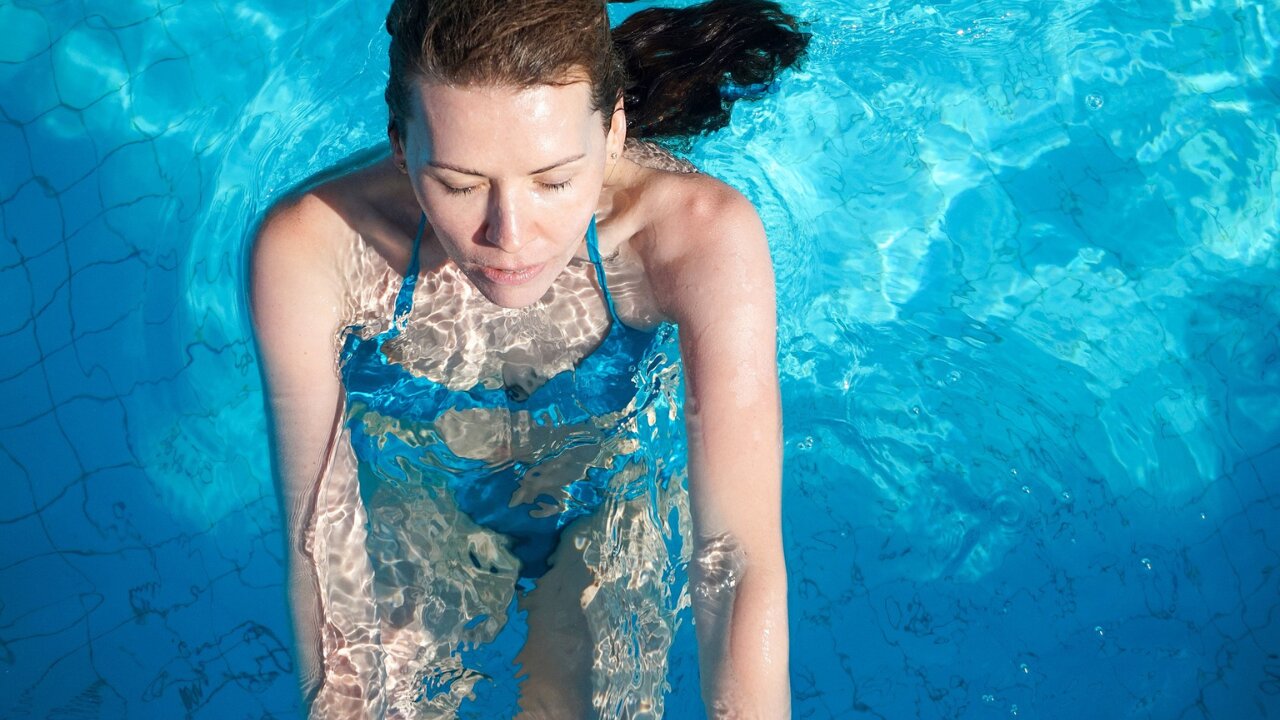
Here’s something I didn’t expect. When I stopped obsessing about my body on vacation, the women around me started relaxing too. When I put on my swimsuit without commentary and walked to the pool, my friends followed. When I ordered dessert without apologizing for it, the table exhaled. When I let my daughter see me enjoying my body in the water instead of hiding under a cover-up, she stopped tugging at her own swimsuit self-consciously.
Your freedom gives other people permission to be free. That’s not a small thing. In friendships, in families, in any group dynamic, one person’s ease can shift the entire atmosphere. You might not realize it, but every time you show up without apology, you’re doing something generous for the people who love you.
Finding this helpful?
Share this article with a friend who might need it right now.
Practical Ways to Stay Connected (Not Distracted) on Vacation
Knowing you should be present is one thing. Actually doing it when your brain is screaming about bloating is another. Here are some things that have worked for me and for the women in my life.
Make a “Yes” Pact with Your Travel Crew
Before the trip, agree that everyone will say yes to at least one thing they’d normally avoid because of body insecurity. Swimming with the kids. Wearing the shorts. Eating the local food. Make it a shared commitment, not a solo struggle. When everyone is in it together, the vulnerability becomes bonding instead of terrifying.
Put the Phone Down for Meals
Not just because of screen time (though that matters), but because meals are where connection happens on vacation. When you’re fully present at the table, not Googling calories or scrolling through fitspo for motivation, you hear the stories. You catch the inside jokes. You actually taste the food. Some of the best family conversations I’ve ever had happened over long, unhurried vacation dinners.
Create Rituals, Not Routines
Routines are what you do at home. Rituals are what you create together on vacation. A morning walk where everyone talks about their dreams. A nightly card game. A tradition of trying one weird food in every new place. These rituals become the connective tissue of your relationships, the things you reference and laugh about for years. They matter infinitely more than whether you maintained your workout schedule.
Have the Honest Conversation
If you’re struggling with body image before or during a trip, tell someone. Tell your partner, your best friend, your sister. Not so they can fix it, but so they can hold space for it. Honest communication, even about uncomfortable things, deepens relationships in ways that performing perfection never will.
Protecting Your Kids from the Cycle
If you have children, this matters double. Kids are sponges, and they absorb your relationship with your body whether you want them to or not. According to the National Eating Disorders Association, family attitudes about weight, appearance, and food are significant risk factors for eating disorders in young people.
What you model on vacation becomes part of their blueprint for how to exist in their own body. When you skip the pool because you feel too bloated, they learn that certain body states make you unworthy of fun. When you comment on what you “shouldn’t” be eating, they learn that food comes with moral weight. When you refuse to be in photos, they learn that visibility is something you have to earn.
But when you jump in the water with them, when you eat the ice cream cone and smile, when you stand in front of the sunset and ask someone to take the picture, you teach them something else entirely. You teach them that their body is a vehicle for joy, not an obstacle to it. And that lesson will serve them long after the vacation tan fades.
Coming Home to Stronger Bonds
The best vacations don’t just give you a break from your routine. They give your relationships a chance to breathe and deepen. But that only happens when you’re actually available for connection, not locked inside your own head running a constant commentary about your body.
When you come home from a trip where you were truly present, you’ll notice something. The inside jokes last longer. The photos make you smile instead of cringe. Your kids reference little moments for months. Your friendships feel closer, warmer, more resilient. That’s because you gave the people in your life the thing they actually wanted from you: you. Not a version of you that’s five pounds lighter or perfectly toned. Just you, showing up, saying yes, being there.
Your relationships are the thing worth protecting on vacation. Not your waistline, not your discipline streak, not your aesthetic. The people who chose to spend their precious time off with you already love the body you’re in. It’s time to trust them on that.
We Want to Hear From You!
Tell us in the comments which tip resonated most with you, or share a vacation moment where real connection mattered more than how you looked.
Read This From Other Perspectives
Explore this topic through different lenses