Raw Vegan Chocolate Donut Holes Loaded with Superfoods
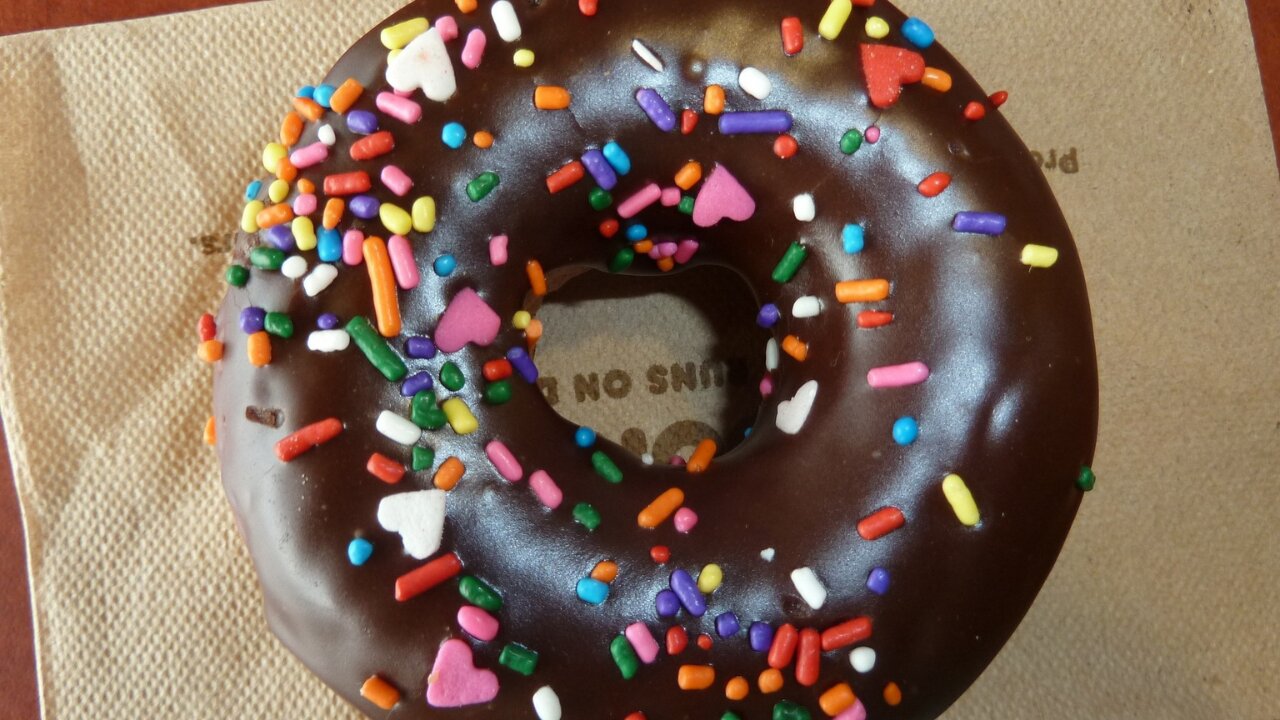
Why These Raw Vegan Chocolate Donut Holes Deserve a Spot in Your Kitchen
Let’s be honest: the moment someone says “raw vegan dessert,” most of us picture a sad little energy ball that tastes like cardboard and regret. But these raw vegan chocolate donut holes are here to shatter that stereotype completely. They are rich, fudgy, deeply chocolatey, and so satisfying that nobody at your table will believe they are made entirely from whole, plant-based ingredients.
The magic starts with Medjool dates, nature’s own caramel. When blended with raw cacao powder, almond flour, and a handful of lesser-known superfood powders, the result is a dough that tastes like it belongs in a high-end patisserie. Add a glossy chocolate glaze and a sprinkle of flaked sea salt, and you have a treat that looks as beautiful as it tastes.
What makes this recipe special is its flexibility. You do not need a dehydrator, you do not need baking skills, and you do not need to hunt down obscure ingredients. A food processor, a sheet pan, and about an hour of relaxed kitchen time are all it takes. Whether you are fully committed to a plant-based lifestyle or simply looking for a smarter way to satisfy a chocolate craving, this recipe meets you exactly where you are.
Are you a dark cacao purist or do you lean toward something sweeter and creamier?
Drop a comment below and let us know your ideal chocolate flavor profile. We love hearing what inspires your kitchen experiments!
The Superfood Ingredients That Make These Donut Holes a Powerhouse
One of the biggest reasons to fall in love with this recipe is what goes into it. Every ingredient pulls double duty, delivering flavor and nutrition at the same time.
Medjool Dates: The Natural Sweetener
Medjool dates are the backbone of this recipe. They provide a sticky, caramel-like sweetness that binds the dough together without any refined sugar. Dates are also packed with fiber, potassium, and magnesium. According to a review published in the International Journal of Clinical and Experimental Medicine, dates contain significant antioxidant and anti-inflammatory compounds that may support overall health. When you use them as a sweetener, you are getting genuine nutritional value rather than empty calories.
The key detail with dates is softness. You want plump, moist Medjool dates. If yours have dried out a bit, soak them in warm water for 10 to 15 minutes before using them. This small step makes a noticeable difference in the final texture of your donut holes.
Raw Cacao: Chocolate in Its Purest Form
Raw cacao powder is not the same as the cocoa powder you find in most grocery store baking aisles. Cacao is minimally processed, which means it retains more of its natural flavonoids, iron, and magnesium. Research from Harvard T.H. Chan School of Public Health highlights that the flavonoids in cacao may help support heart health and improve blood flow. One cup of cacao powder in this recipe gives you that intense, bittersweet chocolate flavor while preserving the good stuff that heat processing usually destroys.
Mesquite and Lucuma: The Secret Weapons
If you have never cooked with mesquite or lucuma powder, you are in for a revelation. Mesquite powder has a warm, malty sweetness that tastes like butterscotch met a campfire. Lucuma, a Peruvian fruit powder, adds a subtle maple-like richness that rounds out the chocolate flavor beautifully. Neither of these powders is aggressively sweet on its own, but together with the dates and coconut syrup, they create a layered sweetness that feels complex and satisfying rather than one-dimensional.
You can find both powders at health food stores or online. A little goes a long way, so a single bag will last you through many batches of donut holes and other raw desserts.
Psyllium Husk: The Invisible Binder
Psyllium husk powder is the unsung hero here. It absorbs moisture and helps the dough hold together without any eggs or traditional binders. You will not taste it at all, but without it, the donut holes would crumble apart. It also adds a dose of soluble fiber, which supports digestive health.
Finding this helpful?
Share this article with a friend who might need it right now.
The Full Recipe: Raw Vegan Chocolate Donut Holes
Prep and Yields
- Prep time: 1 hour
- Dehydrating time: 4 hours (optional)
- Yields: 15 to 20 donut holes
Equipment
- Food processor
- Parchment-lined half sheet pan
- Dehydrator (optional)
Ingredients
For the Donut Holes:
- 1 1/2 cups fine almond flour (homemade is even better if you have the time)
- 1 cup raw cacao powder
- 10 to 15 medium-large, soft Medjool dates, coarsely chopped
- 2 tablespoons mesquite powder
- 3 1/2 tablespoons lucuma powder
- 1 tablespoon psyllium husk powder
- 2 tablespoons vanilla extract
- 6 tablespoons coconut syrup
- 1/4 cup unsweetened vanilla almond milk
- 2 pinches fine sea salt
- 1/4 cup sweetened cacao nibs (optional, for crunch)
- Flaked sea salt for garnish
For the Chocolate Glaze:
- 1/4 cup melted coconut oil
- 1/2 cup raw cacao powder
- 1 tablespoon yacon powder or syrup (optional)
- 1/2 teaspoon mesquite powder
- 1/2 cup coconut syrup
- 1 teaspoon vanilla extract
Instructions
Step 1: Build the Base
Place 10 of your chopped dates into the food processor along with the almond flour, cacao powder, mesquite, lucuma, and psyllium husk powder. Pulse 5 to 8 times until the mixture resembles coarse, pea-sized crumbs. Remove the lid and pinch a small handful of the mixture between your fingers. If it sticks together and holds its shape, you are ready for the next step. If it feels dry and crumbly, add 2 to 4 more dates and pulse a few more times.
Dates vary widely in size and moisture content, so this squeeze test is the most reliable way to judge when the base is right. Trust your hands more than the exact count.
Step 2: Form the Dough
Add the vanilla extract, coconut syrup, almond milk, and sea salt to the food processor. Pulse about 5 times, then stop and scrape down the sides and bottom of the bowl with a spatula. If you are including cacao nibs for extra texture, add them now. Cover and pulse 3 to 4 more times. The mixture should come together into a large, sticky mass that pulls away from the sides of the bowl.
Step 3: Roll and Shape
This dough is very sticky, which is exactly what you want. Dampen your hands with a little water before you start rolling. Pinch off small portions and roll them between your palms into 1-inch balls. You will likely need to re-wet your hands every 5 or 6 balls to keep the dough from clinging.
If you have a dehydrator: Arrange the balls on a Teflex-lined sheet and dehydrate at 105 degrees Fahrenheit for 4 hours. This creates a slightly warm, lightly crusted exterior that mimics a baked texture.
If you do not have a dehydrator: Simply place the balls on a parchment-lined sheet pan and move on to the glaze. They taste wonderful without the dehydrating step.
Step 4: Make the Glaze
In a glass measuring cup or small bowl, whisk together the melted coconut oil, cacao powder, yacon (if using), mesquite powder, coconut syrup, and vanilla extract. Whisk vigorously until completely smooth and glossy. The glaze should be pourable but thick enough to coat.
Now for the best part: dipping. You can dunk just the top of each donut hole for a classic half-glazed look, or spear one on a fork and submerge the whole thing for full chocolate coverage. Place the glazed donut holes back on the sheet pan.
Step 5: Finish and Store
While the glaze is still wet, sprinkle flaked sea salt over the tops. The contrast of sweet chocolate and crunchy salt is what elevates these from great to absolutely addictive.
Store in a covered container at room temperature to keep them soft and fudgy. They will last 4 to 5 days, though they rarely survive that long.
Tips for Getting the Best Results Every Time
A few small details can make the difference between donut holes that are good and donut holes that are extraordinary.
Choose your dates carefully. Medjool dates from the refrigerated section of health food stores tend to be softer and more moist than the ones sitting on a shelf at room temperature. If you can only find drier dates, soak them in warm water for 10 to 15 minutes, then drain well before using.
Do not skip the squeeze test. The base needs to be tacky enough to hold together. If you skip this step and add the liquid ingredients to a dry base, you will end up with a crumbly mess that no amount of pulsing can fix.
Keep the glaze warm. Coconut oil solidifies quickly at room temperature. If your glaze starts to thicken while you are dipping, place the container in a shallow bowl of warm water to keep it fluid.
Experiment with toppings. Flaked sea salt is the classic finish, but you can also try crushed freeze-dried raspberries, shredded coconut, or a dusting of extra cacao powder. Each variation gives the donut holes a completely different personality.
If you are looking for more ways to eat healthy without feeling like you are missing out, recipes like this one prove that wholesome ingredients and genuine indulgence are not mutually exclusive.
Why Raw Desserts Are Worth Exploring
Raw desserts have earned a loyal following for good reason. By skipping the oven, you preserve heat-sensitive nutrients, particularly the antioxidants and minerals found in raw cacao. You also avoid the refined flours, processed sugars, and artificial additives that show up in most conventional baked goods.
That does not mean raw desserts are “health food” in the restrictive sense. They are real desserts that happen to be made from real ingredients. The satisfaction you get from biting into one of these donut holes is every bit as genuine as what you would feel eating a traditional bakery treat. The difference is that you are unlikely to feel sluggish or guilty afterward.
According to the British Nutrition Foundation, incorporating more whole, minimally processed foods into your diet is one of the most consistently supported strategies for long-term well-being. Raw desserts fit naturally into that approach.
Making treats like these at home is also a form of self-care that goes beyond the surface. Taking time to create something nourishing and beautiful for yourself (or for the people you love) is a small but meaningful act of kindness that ripples through your whole day.
Frequently Asked Questions
Can I make these donut holes nut-free?
Yes. Replace the almond flour with sunflower seed flour or oat flour for a nut-free version. The texture will be slightly different, but the flavor will still be rich and chocolatey. If you use oat flour, make sure it is certified gluten-free if that matters for your diet.
How long do raw vegan donut holes last?
Stored in a covered container at room temperature, they stay soft and fresh for 4 to 5 days. If you want them to last longer, refrigerate them for up to two weeks. Let them come to room temperature for about 10 minutes before eating for the best texture.
What can I use instead of a dehydrator?
You can skip the dehydrating step entirely. The donut holes will be soft and fudgy rather than having a lightly crusted exterior, but they taste just as delicious. Some people actually prefer the softer version.
Is raw cacao powder the same as cocoa powder?
No. Raw cacao is made by cold-pressing unroasted cacao beans, which preserves more of the natural nutrients. Cocoa powder is processed at higher temperatures. You can substitute cocoa powder in a pinch, but the flavor will be slightly less intense and you will lose some of the nutritional benefits.
Are Medjool dates high in sugar?
Medjool dates do contain natural sugars, but they also come packaged with fiber, potassium, and other nutrients that slow the absorption of that sugar into your bloodstream. This means they do not cause the same rapid blood sugar spike that refined sugar does. For most people, using dates as a sweetener in recipes like this is a much smarter choice than reaching for white sugar or artificial sweeteners.
Can I freeze these donut holes?
Absolutely. Place them in a single layer on a sheet pan and freeze until solid, then transfer to a freezer-safe bag or container. They keep well for up to three months. Thaw at room temperature for 15 to 20 minutes before serving.
We Want to Hear From You!
Tell us in the comments: did you go for the full chocolate dip or just the top glaze? We would love to see how yours turned out.