Cashew Milk Chia Pudding with Mango Cream: A Nourishing Breakfast You Can Prep Tonight
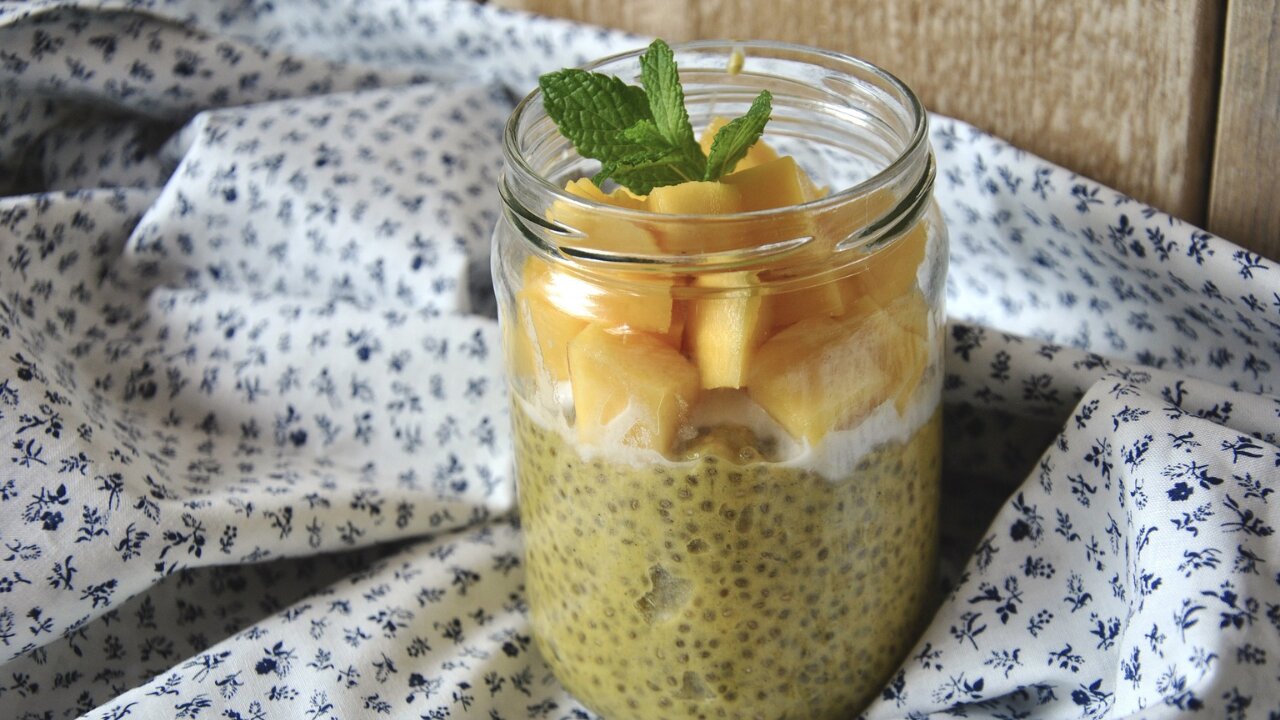
There is something deeply satisfying about waking up to a breakfast that is already made. No scrambling around the kitchen, no decision fatigue, just open the fridge and eat something beautiful. That is exactly what this cashew milk chia pudding with mango cream delivers. It is creamy, naturally sweet, packed with nutrients, and takes about five minutes to assemble the night before.
But beyond the convenience factor, this recipe is genuinely good for you. Chia seeds are one of the most nutrient-dense foods available, and when you pair them with homemade cashew milk and fresh mango, you get a breakfast that supports your energy, digestion, and overall well-being without relying on processed ingredients or added sugar.
Whether you are new to meal prepping or just looking for a healthier morning routine, this chia pudding is an ideal place to start.
Why Chia Seeds Deserve a Spot in Your Kitchen
Chia seeds have been cultivated for thousands of years. The ancient Aztecs and Mayans prized them as a source of sustained energy, and the word “chia” actually comes from the Mayan word for “strength.” Today, modern nutrition science has confirmed what these ancient civilizations already knew.
According to Harvard T.H. Chan School of Public Health, chia seeds are rich in alpha-linolenic acid (ALA), a plant-based omega-3 fatty acid that plays an important role in heart health and reducing inflammation. Just two tablespoons of chia seeds contain roughly 10 grams of fiber, 5 grams of protein, and significant amounts of calcium, manganese, and phosphorus.
One of the most remarkable properties of chia seeds is their ability to absorb liquid. A single chia seed can absorb up to 27 times its weight in water, forming a gel-like coating that gives chia pudding its signature texture. This gel also slows digestion, which means you feel full longer and experience fewer blood sugar spikes after eating. For women managing busy schedules, hormonal fluctuations, or weight goals, this sustained energy release can be a real advantage.
The high fiber content also supports gut health by feeding beneficial bacteria in your digestive system. A healthy gut microbiome has been linked to improved mood, stronger immunity, and even better skin, so this is not just about feeling full. It is about nourishing your body on a deeper level.
Have you tried chia pudding before, or is this your first time?
Drop a comment below and let us know your favorite way to enjoy chia seeds.
The Benefits of Cashew Milk as a Base
While you can make chia pudding with almost any liquid, cashew milk brings something special to the table. It has a naturally creamy, slightly sweet flavor that pairs beautifully with tropical fruits like mango. Unlike some other plant milks, cashew milk blends into a smooth, rich consistency without added thickeners or gums.
Cashews themselves are a good source of magnesium, copper, and healthy monounsaturated fats. Magnesium is particularly important for women, as it supports muscle relaxation, sleep quality, and stress management. Many women are deficient in magnesium without realizing it, and incorporating cashew-based foods into your diet is one easy way to bridge that gap.
If you make your own cashew milk at home (which is surprisingly simple), you also avoid the added sugars, oils, and preservatives found in many store-bought plant milks. Homemade cashew milk is just cashews and water, blended and strained. The result is a cleaner, more flavorful base for your pudding.
For those exploring how nutrition connects to emotional well-being, small choices like switching to a cleaner milk alternative can be part of a larger shift toward mindful eating as a form of self-care.
Quick Homemade Cashew Milk
Soak one cup of raw cashews in water for at least four hours (or overnight). Drain and rinse them, then blend with three cups of fresh water on high speed for about two minutes. Strain through a nut milk bag or fine mesh strainer if you prefer a smoother texture, though cashew milk is naturally smooth enough that many people skip this step entirely. Store in a sealed jar in the fridge for up to four days.
Fresh Mango Cream: The Perfect Topping
The mango cream in this recipe is not just a garnish. It is a key component that adds natural sweetness, vibrant color, and a boost of vitamins. Fresh mango is an excellent source of vitamin C, vitamin A (as beta-carotene), and folate. According to the British Nutrition Foundation, adequate vitamin C intake supports immune function and helps the body absorb iron from plant-based foods, which is especially relevant for women who menstruate.
Blending ripe mango into a cream creates a naturally sweet, velvety layer that sits on top of the pudding like a tropical dessert. You do not need to add honey, maple syrup, or any sweetener at all. The mango does all the work.
If mangoes are not in season where you live, you can use frozen mango chunks. Let them thaw slightly before blending, and add a tablespoon of water if needed to reach the right consistency. Papaya, peach, or passion fruit also make wonderful alternatives when you want to change things up.
The Complete Recipe
Ingredients
- 1 1/2 cups cashew milk (homemade or store-bought, unsweetened)
- 3 tablespoons chia seeds
- A pinch of Himalayan sea salt
- A pinch of cinnamon
- 1 cup fresh ripe mango, chopped
- 1/2 cup homemade granola (or your favorite low-sugar granola)
- Fresh mint leaves for garnish (optional)
Instructions
- Combine the base. In a mason jar or airtight container, mix the cashew milk with chia seeds, cinnamon, and sea salt. Stir well to make sure the chia seeds are evenly distributed and not clumping at the bottom.
- Shake and chill. Seal the jar and shake it vigorously. For the first three minutes, shake the jar every 30 seconds to prevent the seeds from settling into a clump. Then place the jar in the fridge and leave it overnight (or for at least four hours).
- Make the mango cream. In the morning, add the chopped mango to a blender and blend until completely smooth and creamy. If the mango is not sweet enough for your taste, you can add half a teaspoon of vanilla extract for depth.
- Assemble. Take a clean jar or bowl. Layer the granola on the bottom, spoon the chia pudding over it, and finish with a generous layer of mango cream on top.
- Garnish and enjoy. Add a fresh mint leaf for color and a touch of freshness. Eat immediately or store in the fridge for up to two days.
Finding this helpful?
Share this article with a friend who might need it right now.
Tips for the Best Chia Pudding Every Time
Get the ratio right. The standard ratio for chia pudding is about 3 tablespoons of chia seeds to 1 cup of liquid. This recipe uses a slightly higher liquid ratio (1 1/2 cups) for a creamier, more pourable consistency. If you prefer a thicker pudding, reduce the milk to 1 cup or add an extra half tablespoon of chia seeds.
Shake early and often. The first few minutes after mixing are critical. Chia seeds absorb liquid quickly and tend to clump if you do not stir or shake them within the first few minutes. Setting a timer can help until it becomes second nature.
Let it rest long enough. While chia pudding can technically be eaten after two hours, the texture improves significantly with a full overnight soak. The seeds become uniformly gel-like, and the flavors meld together more completely.
Experiment with layers. The beauty of chia pudding is how adaptable it is. Try layering with different fruits, nut butters, cacao nibs, coconut flakes, or even a swirl of tahini. Each combination creates a completely different experience.
Watch your granola. Many store-bought granolas contain as much sugar as candy. If you are making this recipe as part of a healthier routine, choose a granola with minimal added sugar, or make your own with oats, nuts, seeds, and a touch of honey or maple syrup.
Making Breakfast a Ritual, Not a Rush
One of the reasons so many women skip breakfast or grab something quick and processed is that mornings feel chaotic. There is always something demanding your attention, and cooking a proper meal can feel like a luxury you cannot afford.
That is what makes overnight recipes like this one so valuable. The work happens the night before, during a quieter moment. And in the morning, you get to sit down with something nourishing and beautiful without any effort at all. It is a small act of care that sets a positive tone for the rest of your day.
Research published in the journal Nutrients has shown that eating a balanced breakfast is associated with better cognitive performance, improved mood, and more stable energy levels throughout the day. For women juggling work, family, and personal goals, that mental clarity and emotional steadiness can make a real difference.
Building a nourishing morning routine does not require a complete lifestyle overhaul. It can start with something as simple as preparing a jar of chia pudding before bed. Over time, these small habits compound into something much bigger: a relationship with food that feels intentional rather than reactive. If you are looking for more ways to bring intention into your daily life, exploring a morning routine that feeds your soul can be a beautiful next step.
Nutritional Breakdown (Per Serving)
This recipe makes two generous servings. Here is an approximate nutritional profile per serving:
- Calories: 280 to 320
- Protein: 8 to 10 grams
- Healthy fats: 12 to 14 grams
- Fiber: 11 to 13 grams
- Sugar: 14 to 16 grams (all naturally occurring from mango)
This balance of macronutrients (protein, fat, and fiber with moderate natural sugar) is exactly what makes chia pudding such an effective breakfast. It provides sustained energy without the crash that comes from high-sugar cereals, pastries, or juice-only mornings.
If you want to increase the protein content, you can stir in a scoop of collagen peptides or plant-based protein powder before refrigerating. This is especially helpful on days when you know lunch will be late or your schedule is unpredictable.
Variations to Keep Things Interesting
Once you have the basic technique down, you can create endless variations:
- Chocolate version: Add one tablespoon of raw cacao powder to the base mixture before refrigerating. Top with sliced banana and a drizzle of almond butter.
- Berry blast: Replace the mango cream with blended mixed berries. Add a squeeze of lemon juice for brightness.
- Tropical coconut: Use coconut milk instead of cashew milk and top with toasted coconut flakes, pineapple, and macadamia nuts.
- Matcha green tea: Whisk one teaspoon of ceremonial-grade matcha into the cashew milk before adding chia seeds. Top with kiwi and hemp seeds.
- Spiced autumn: Add a pinch of nutmeg and ginger to the base. Top with stewed apples and walnuts.
Each of these variations still takes under five minutes to prepare and offers the same make-ahead convenience. Having a rotation of flavors keeps the habit fresh so you never get bored with your breakfast.
Nourishing yourself well is one of the most grounding things you can do, and it does not have to be complicated. A jar of chia pudding, prepared with care the night before, is proof that eating well and living well can coexist beautifully with a full and busy life.
Frequently Asked Questions
How long does chia pudding last in the fridge?
Chia pudding keeps well in the fridge for up to three days when stored in a sealed container. However, the texture is best within the first two days. If you are adding fresh fruit toppings like mango cream, it is best to add those just before eating so they stay vibrant and fresh.
Can I use a different milk for this recipe?
Absolutely. Almond milk, oat milk, coconut milk, and even regular dairy milk all work well. Each will give the pudding a slightly different flavor and texture. Cashew milk is recommended here for its natural creaminess, but use whatever you enjoy most or have on hand.
Are chia seeds safe to eat every day?
For most people, eating chia seeds daily is perfectly safe and beneficial. The recommended amount is about one to two tablespoons per day. Because chia seeds are very high in fiber, it is important to drink plenty of water when consuming them regularly. If you have digestive sensitivities, start with a smaller amount and gradually increase.
Do I need to soak chia seeds before eating them?
While you can eat chia seeds dry (sprinkled on salads or smoothies, for example), soaking them is generally recommended. Soaking allows the seeds to expand and form their gel-like coating, which makes them easier to digest and helps your body absorb their nutrients more effectively.
Is chia pudding good for weight management?
Chia pudding can be a helpful part of a weight management plan because of its high fiber and protein content, which promote satiety. The combination of slow-digesting carbohydrates, healthy fats, and protein helps keep blood sugar stable and reduces cravings between meals. That said, portion sizes and toppings matter. Adding large amounts of sweetened granola, honey, or chocolate chips will increase the calorie count significantly.
Can I make chia pudding without refrigerating it overnight?
Yes, but you will need at least two to four hours for the seeds to fully absorb the liquid and develop the right texture. Overnight soaking produces the best results because it gives the seeds plenty of time to hydrate evenly. If you are in a rush, you can use warm (not hot) milk to speed up the absorption process slightly.
We Want to Hear From You!
Tell us in the comments which variation you want to try first, or share your own favorite chia pudding combination.