Yoga Retreats and the Quiet Power of Returning to Yourself
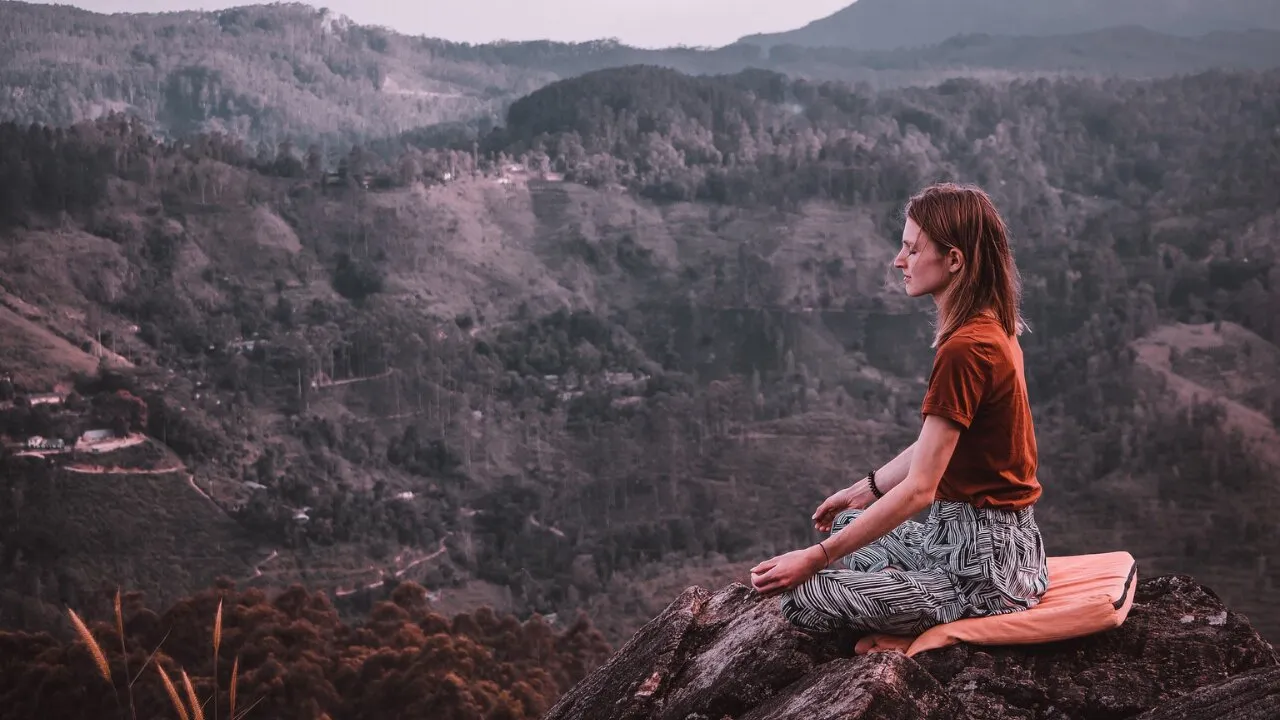
Somewhere between the morning alarm and the last email of the day, many women lose track of something essential. Not a task or a deadline, but a feeling. The feeling of being fully present in your own body, connected to your own voice, and at peace with who you actually are beneath all the roles you play.
This quiet disconnection does not happen overnight. It builds slowly through years of prioritizing everyone else’s needs, of pushing through exhaustion, of equating rest with laziness. And for many women, the path back to themselves begins in an unexpected place: on a yoga mat, surrounded by nature, far from everything familiar.
A yoga retreat is not a vacation. It is something deeper. It is an intentional pause, a sacred window of time where you give yourself permission to stop performing and simply exist. And according to both ancient wisdom and modern science, that permission can change everything.
Why Daily Practice Is Not Always Enough
Yoga is powerful medicine, even in small doses. A regular practice reduces stress hormones, improves emotional regulation, and cultivates a sense of inner stillness that carries into daily life. Research published in the International Journal of Yoga confirms that consistent practice significantly lowers cortisol while increasing self-awareness and wellbeing.
But here is the honest truth that most busy women already know: maintaining a consistent yoga practice in the middle of a demanding life is incredibly difficult. Between work deadlines, family responsibilities, household logistics, and the invisible mental load that women disproportionately carry, yoga often becomes one more thing on the to-do list rather than a refuge from it.
Even when you do make it to a class, your mind is rarely quiet. You hold warrior pose while mentally planning dinner. You breathe through a heart-opener while worrying about a conversation you need to have with your boss. The peace you cultivate on the mat evaporates the moment you step back into your life, like steam rising from a cup of tea left too long in a cold room.
Data from the American Psychological Association’s Stress in America surveys consistently shows that women report higher stress levels than men across nearly every category. This is not a failure of willpower. Our nervous systems are genuinely overtaxed, and brief pockets of calm, while valuable, often cannot penetrate the layers of chronic tension we carry in our bodies and minds.
This is precisely why the concept of a yoga retreat holds such transformative potential. It removes the impossible equation of trying to find peace within the very environment that created the stress.
When was the last time you spent an entire day without a single obligation pulling at your attention?
Drop a comment below and let us know what stillness looks like in your life right now.
What Actually Happens to Your Brain on Retreat
When you practice yoga for several consecutive days without the interruptions of your regular routine, something shifts at a neurological level. Your parasympathetic nervous system, the part responsible for rest, digestion, and repair, gets the opportunity to become dominant. For many women, this is the first time in years that their body is not operating in a low-grade state of fight or flight.
Cortisol levels drop and, crucially, stay low. Brain wave patterns shift from the rapid beta frequencies of anxious thinking to the slower alpha and theta patterns associated with creativity, intuition, and deep relaxation. A study published in Frontiers in Human Neuroscience found that even short-term intensive yoga practice produces measurable changes in brain structure and function, particularly in areas governing self-awareness and emotional regulation.
This is not a placebo effect or wishful thinking. The neurological reset that occurs during sustained, immersive practice is real and lasting. Many women describe returning from retreat feeling not just rested but fundamentally different in how they respond to stress. Old triggers lose their charge. Patience comes more naturally. The voice of self-criticism grows quieter.
The Role of Nature in Nervous System Healing
Most yoga retreats take place in natural settings for good reason. Environmental psychologists have documented what they call the “restorative effect” of natural environments. According to research from the APA, spending extended time in nature reduces rumination (the repetitive negative thinking that fuels anxiety and depression), lowers cortisol, and increases feelings of vitality.
When you practice yoga surrounded by mountains, rivers, or ocean, you are not simply exercising in a pretty location. You are giving your nervous system exactly what it has been starving for: natural sounds instead of notifications, fresh air instead of recycled office air, sunlight instead of screens. Your circadian rhythm recalibrates. Your breathing naturally deepens. Senses dulled by constant overstimulation begin to reawaken.
The combination of sustained yoga practice and nature immersion creates something far more powerful than either element alone. It is medicine for the whole person, body, mind, and spirit working together toward the same goal of restoration.
The Transformation That Happens When Women Gather
Beyond the yoga and the natural setting, there is a third ingredient that makes retreats uniquely powerful: community. Something sacred happens when women come together with intention. The walls built from years of performing competence and independence begin to soften. The masks worn in daily life slip away without effort.
In the container of a women’s retreat, stories are shared that have never been spoken aloud. Tears fall without apology. Laughter comes from somewhere deeper than politeness. Women who arrived as strangers recognize themselves in each other’s struggles, and that recognition is itself a form of healing.
This is not abstract philosophy. Women who attend retreats consistently report that the connections formed during those days become some of the most meaningful relationships in their lives. There is something about being seen fully, without the usual social armor, that creates bonds of unusual depth and honesty.
In traditional yogic philosophy, this process of shedding false identities to reveal the Atman (our highest, truest self) is the entire point of practice. A retreat simply accelerates this process by removing the distractions that usually keep those layers firmly in place. You remember who you were before the world told you who you should be. Not a return to some idealized past, but an integration of every part of yourself: the achiever and the dreamer, the caretaker and the one who needs care, the strong woman and the soft one.
Finding this helpful?
Share this article with a friend who might need a reminder that she deserves rest and renewal.
Confronting the Reasons You Think You Cannot Go
If you have read this far, something in you is resonating. And if that resonance is immediately followed by a list of reasons why a retreat is not realistic for you, know that you are not alone. The three most common barriers women name are time, money, and guilt. Each one deserves an honest response.
Time
Yes, a retreat requires several days away from your regular responsibilities. But consider this honestly: if you do not make time for restoration now, your body will eventually force you to make time through burnout, illness, or emotional collapse. Proactive self-care is always gentler than reactive recovery. And the truth most women discover upon returning is that the world did not, in fact, fall apart in their absence.
Money
Retreats do require financial investment. However, many centers offer payment plans, early bird pricing, and scholarship opportunities. It helps to reframe the question: what do you currently spend on things that provide temporary comfort versus lasting transformation? A retreat is an investment in your long-term wellbeing that continues to pay dividends for months, sometimes years, after you return home.
Guilt
This is perhaps the most powerful barrier, and the most dishonest one. Many women feel guilty about taking time for themselves, as if their worth depends on constant availability to others. But you cannot pour from an empty cup. Taking time to refill yourself makes you more present, more patient, and more genuinely loving when you return. Your family, friends, and colleagues do not benefit from a depleted version of you. They benefit from a woman who knows how to light her own fire.
Finding the Right Retreat for You
Not every retreat is the right fit, and the wrong choice can leave you feeling more drained than restored. A few considerations worth thinking through before you commit:
Teacher resonance: Do you connect with the retreat leader’s philosophy and style? Many teachers offer online classes or workshops that let you gauge compatibility before making the investment. Trust your intuition here. The right guide will feel like someone who sees you, not someone performing wisdom.
Environment: Some women are drawn to the ocean, others to mountains or forests. Your body often knows what kind of nature it needs before your conscious mind catches up. Pay attention to what landscapes appear in your daydreams.
Group size: Smaller retreats offer intimacy and individual attention. Larger gatherings provide diverse perspectives and broader community energy. Neither is better, only different. Think about what you need most right now.
Practice intensity: Be honest about your current level and your intentions. Some retreats emphasize vigorous physical practice while others focus on meditation, breathwork, journaling, or restorative postures. There is no hierarchy. Only what aligns with where you are today.
Taking the First Step Back to Yourself
Even if you cannot see how to make a retreat happen right now, do not dismiss the desire. Wanting rest and reconnection is not weakness. It is wisdom. It is your body and your deeper self telling you something important about what you need to thrive, not just survive.
Start small. Bookmark retreat centers that call to you. Sign up for their newsletters. Open a dedicated savings account, even if you can only add a small amount each month. Tell a friend about your intention so she can hold you accountable. Small steps in the direction of what you truly want create momentum that builds faster than you expect.
Many women report that the insights gained during retreat continue to unfold for weeks and months afterward. The experience plants seeds that bloom in unexpected ways: career shifts, healthier boundaries, new creative projects, or simply a steadier sense of peace with who they are. The transformation does not end when you roll up your mat and head home. In many ways, that is where it truly begins.
Your inner nature is patient. She has been waiting, quietly, beneath all the noise and obligation and performing. A yoga retreat is simply one of the most effective ways to clear the space so you can finally hear her again.
We Want to Hear From You!
Have you been to a yoga retreat, or is it something you have been dreaming about? What is holding you back from saying yes? Tell us in the comments.