What Happens to Your Body When You Never Put Yourself First
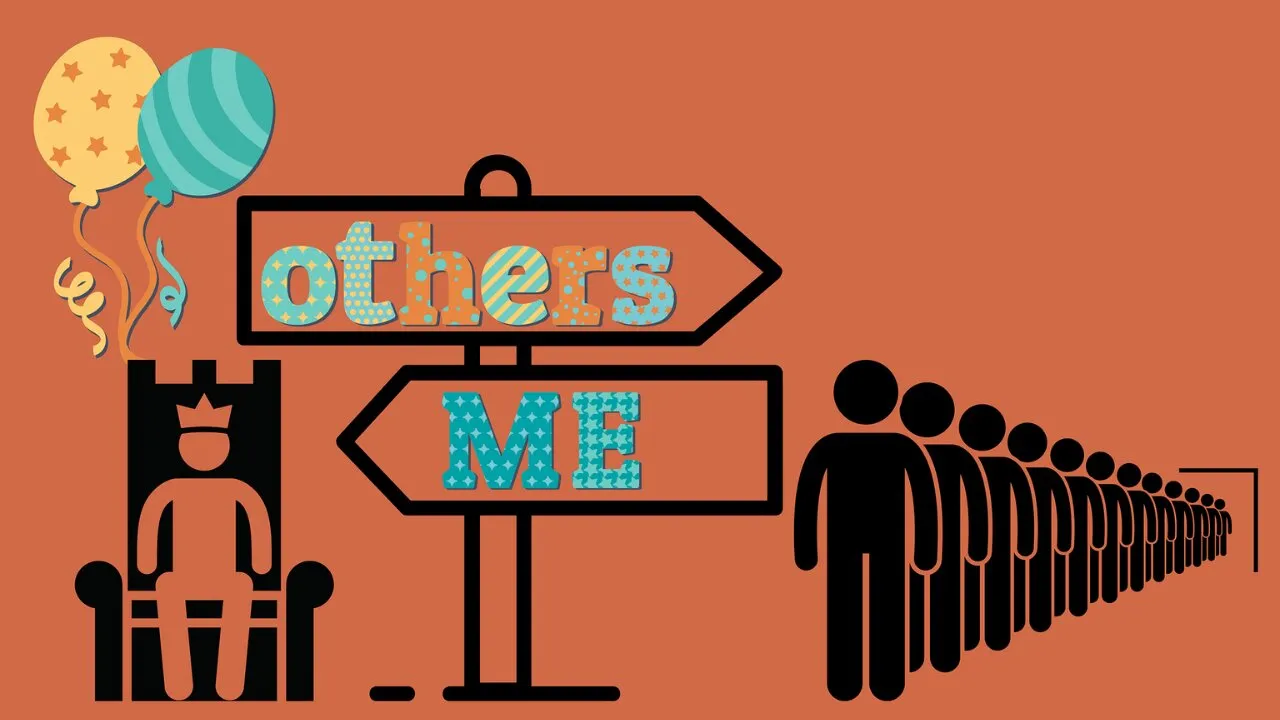
There was a season in my life when I wore exhaustion like a badge of honor. I was juggling deadlines, saying yes to every favor, skipping meals or eating whatever was fastest, and convincing myself that sleep was something I could catch up on “later.” My body tried to warn me. First it was headaches that lingered for days. Then it was a jaw so tight from clenching that my dentist asked if I was under unusual stress. Then came the insomnia, the breakouts, the constant low-grade nausea that no antacid could touch. I was not sick in a way anyone could diagnose. I was just slowly falling apart from the inside out because I had decided, somewhere along the way, that everyone else’s needs mattered more than mine.
If any of that sounds familiar, stay with me. Because this is not another lecture about bubble baths and face masks. This is about what actually happens inside your body when you chronically put yourself last, and why reclaiming your own care is not a luxury but a biological necessity.
The Physiology of Self-Neglect
When you consistently ignore your own needs, your body does not just quietly cope. It mounts a stress response. And if that response never gets to turn off, things start breaking down in ways that are both measurable and serious.
The American Psychological Association has documented extensively how chronic stress affects nearly every system in the body. Your hypothalamic-pituitary-adrenal axis (the HPA axis, for those of us who prefer fewer syllables) stays activated, pumping out cortisol long past the point where it is helpful. Cortisol in short bursts keeps you alive. Cortisol that never comes down? That is a different story entirely.
Elevated cortisol disrupts your sleep architecture, meaning even when you do sleep, you are not cycling through the deep restorative stages your brain and body need. It increases visceral fat storage, particularly around your midsection. It impairs your immune function, so you catch every cold that circulates through your office. It messes with your digestion, your blood sugar regulation, your skin. It even shrinks the prefrontal cortex, the part of your brain responsible for decision-making and emotional regulation.
In other words, the very act of neglecting yourself makes you less capable of showing up well for anyone, including the people you are sacrificing yourself for in the first place.
Has your body ever sent you a warning sign that you were running on empty?
Drop a comment below and tell us what finally made you stop and pay attention.
Your Nervous System Is Keeping Score
Here is something that shifted my entire understanding of self-care: it is not really about what you do. It is about what state your nervous system is in when you do it.
Your autonomic nervous system has two primary modes. The sympathetic branch (fight or flight) and the parasympathetic branch (rest and digest). You need both. The problem is that most women who chronically put themselves last are living almost entirely in sympathetic activation. Their bodies are stuck in a low-grade emergency state, even when nothing objectively threatening is happening.
This is why you can go on vacation and still feel wired. Why you lie down to sleep and your mind races through tomorrow’s to-do list. Why you sit down to eat and your stomach feels like a fist. Your nervous system has learned that rest is not safe, because every time you tried to rest, you got pulled back into someone else’s crisis.
According to research published in Harvard Health, chronic activation of the stress response contributes to high blood pressure, suppressed immunity, increased risk of heart attack and stroke, and accelerated aging. These are not abstract risks. These are the real, physical consequences of treating yourself as an afterthought.
Understanding the different dimensions of self-love can actually help you pinpoint which areas of neglect are hitting your health the hardest.
The Guilt Response (and Why It Lies to You)
I know what some of you are thinking. “Okay Willow, I hear you. But the second I try to do something for myself, the guilt is unbearable.”
I get it. I have been there, standing in the parking lot of a yoga class I paid for, almost driving home because I felt guilty for taking an hour away from work. The guilt felt enormous, urgent, like proof that I was doing something wrong.
But here is what I have learned about guilt: it is not always a moral compass. Sometimes it is just a conditioned response. Your brain learned early on that prioritizing yourself was met with disapproval, so now it fires off a guilt signal every time you try. That signal feels like truth, but it is actually just a habit. And habits can be rewired.
The next time guilt shows up when you are about to do something good for your health, try this: notice it, name it (“there is the guilt again”), and then do the thing anyway. Over time, your nervous system learns that nothing terrible happens when you take care of yourself. The guilt signal gets quieter. Not overnight, but it does get quieter.
What the Research Says About Recovery
A landmark study from the National Institutes of Health found that women who engaged in regular self-care practices showed measurably lower levels of inflammatory markers, better cardiovascular health, and significantly reduced rates of burnout compared to those who did not. This was not a minor difference. The women who prioritized their own well-being were healthier by virtually every metric the researchers measured.
The body wants to heal. It wants to regulate. It wants to return to balance. But it cannot do any of that if you never give it the chance.
Finding this helpful?
Share this article with a friend who might need it right now.
What Putting Yourself First Actually Looks Like (Practically)
I am not going to tell you to “just relax” or “practice more self-care” without getting specific. Vague advice is useless advice. So here is what putting yourself first looks like when you strip away the Instagram aesthetics and get down to what actually moves the needle for your health.
Protect Your Sleep Like Your Life Depends on It
Because it kind of does. Sleep is when your body repairs tissue, consolidates memory, regulates hormones, and clears metabolic waste from your brain. When you cut sleep short to finish one more task or stay up scrolling because it is the only “quiet time” you get, you are robbing your body of its most fundamental recovery process.
Start with a non-negotiable wind-down time. Not a bedtime, a wind-down time. Thirty minutes before you want to be asleep, screens go off, lights go dim, and you give your nervous system permission to shift gears. This single change can improve your sleep quality more than any supplement or gadget.
Eat in a Way That Supports Your Nervous System
When you are chronically stressed, your blood sugar regulation takes a hit. You crave quick energy (sugar, refined carbs, caffeine), which gives you a spike followed by a crash that leaves you more depleted than before. It is a cycle that feeds itself.
Breaking that cycle does not require a perfect diet. It requires eating regularly, including protein and fat at meals so your blood sugar stays stable, and noticing whether you are eating because you are hungry or because you are trying to soothe something. If you find that food has become your primary coping mechanism, exploring the hidden emotional patterns behind your relationship with food can be a powerful starting point.
Move Your Body Without Punishing It
Exercise is one of the most effective tools we have for regulating the nervous system, reducing cortisol, and improving mood. But here is where many women go wrong: they use exercise as punishment. They push through intense workouts when their body is begging for rest, because they have internalized the idea that rest is laziness.
If you are chronically stressed and under-recovered, a brutal HIIT session might actually raise your cortisol further. Sometimes the most powerful thing you can do for your health is a twenty-minute walk outside. Sometimes it is stretching on the floor while you breathe deeply. Movement should replenish you, not drain you further.
Learn to Say No Before Your Body Says It for You
Every commitment you say yes to when you mean no has a cost. It costs you time, energy, and often sleep. Those costs accumulate. And eventually your body will enforce the boundary you refused to set. It does this through migraines, back pain, autoimmune flares, panic attacks, or the kind of bone-deep fatigue that no amount of coffee can fix.
Setting boundaries is not selfish. It is preventive health care. Start small. Practice declining one thing this week that you would normally agree to out of obligation. Notice what happens. You will probably survive, and you might even feel a flicker of relief that surprises you.
The Ripple Effect on Everyone Around You
Here is the part that might quiet the guilt: when you take better care of yourself, everyone around you benefits. You are more patient with your kids when you have slept. You are a better listener when your nervous system is not in overdrive. You make clearer decisions at work when your brain is not foggy from skipped meals and chronic stress.
Your health is not separate from your relationships, your parenting, your career, or your friendships. It is the foundation underneath all of it. When that foundation cracks, everything built on top of it becomes unstable.
Having friends who genuinely support your well-being makes this process infinitely easier. Surround yourself with people who celebrate your boundaries instead of resenting them.
This Is Not About Perfection
I want to be clear about something. Putting yourself first does not mean getting it right every day. There will be weeks when you barely sleep, when you eat cereal for dinner three nights in a row, when you say yes to something you should have declined. That is not failure. That is life.
What matters is the overall direction. Are you, more often than not, treating your own health and well-being as something that matters? Are you catching yourself sooner when you slip into the old pattern of giving everything away until there is nothing left?
Your body is not a machine that runs indefinitely on willpower and good intentions. It is a living, responsive system that needs care, rest, nourishment, and attention. Giving it those things is not selfish. It is the most responsible, loving, and sustainable thing you can do, for yourself and for every person who depends on you.
Start today. Not with a grand overhaul. Just with one small choice that says, “I matter too.”
We Want to Hear From You!
What is one thing you are going to do differently this week to put your health first? Tell us in the comments.
Read This From Other Perspectives
Explore this topic through different lenses