When Putting Yourself First Changes Every Relationship in Your Life
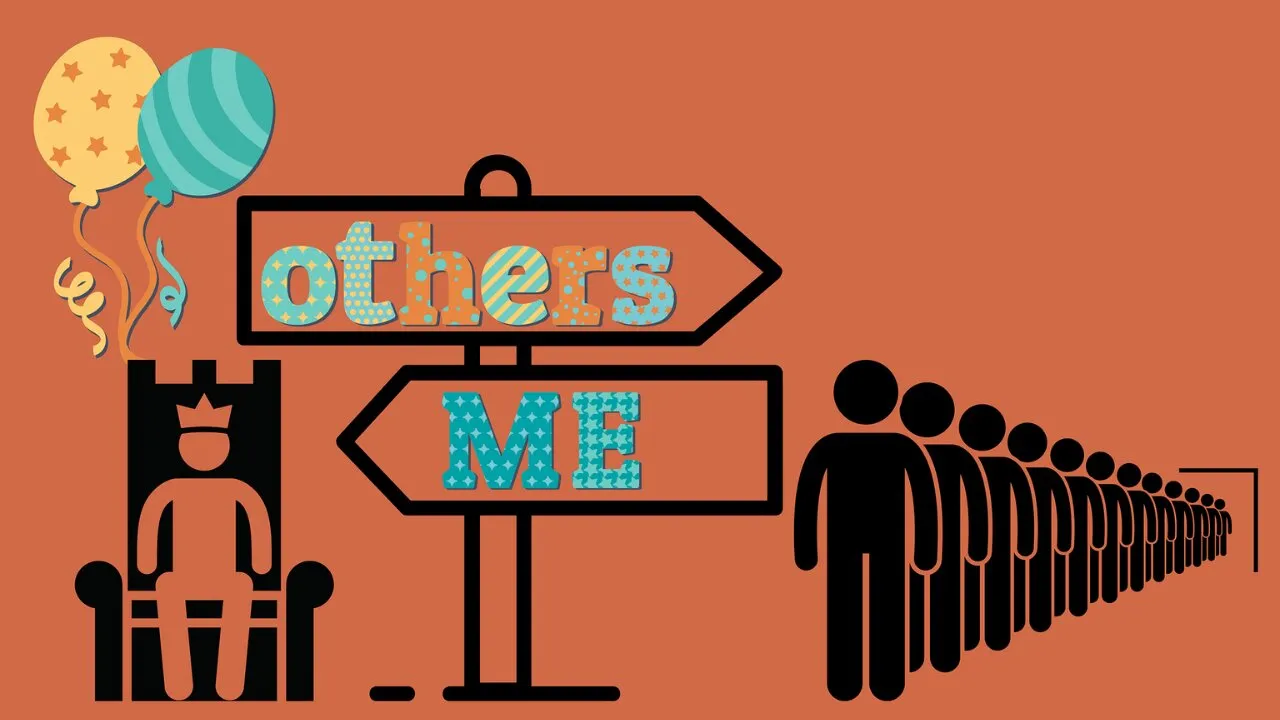
There is a version of you that your family and friends have never met. She is the one who exists after a full night of sleep, after an afternoon spent doing something purely for herself, after a week where she did not apologize once for having needs. Most of the women in your life have never met her either, because she rarely gets the chance to show up. She is buried under school pickups and group chat obligations and the quiet, constant labor of making sure everyone around her is okay.
I want to talk about what happens to your relationships, all of them, when you start putting yourself first. Not in a vague, self-help poster kind of way. In the real, uncomfortable, “my mother looked hurt when I said I could not come to Sunday dinner” kind of way. Because the truth is, choosing yourself does not happen in a vacuum. It happens inside the messy, beautiful web of people who love you, need you, and sometimes struggle to understand why you are changing the rules.
The Woman Everyone Relies On
You know her. Maybe you are her. She is the one who organizes the birthday celebrations, remembers everyone’s dietary restrictions, checks in on the friend going through a rough patch, and somehow always has room in her schedule when someone needs something. She is deeply loved, and she is quietly drowning.
In families and friend groups, there is almost always one person who becomes the emotional infrastructure. She holds the plans together, smooths over conflict, and absorbs other people’s stress like a sponge. Research from the American Psychological Association consistently shows that women report higher stress levels than men, and a significant portion of that stress comes from the relational labor we carry. Not just the tasks, but the mental and emotional weight of being the person everyone turns to.
The problem is not that she cares. The problem is that nobody taught her she was allowed to care about herself with the same ferocity. And over time, the people around her stop noticing what it costs her, because she has made it look effortless for so long.
Have you ever been “the reliable one” in your family or friend group, only to realize nobody was being reliable for you?
Drop a comment below and tell us what that moment of realization felt like.
What Your Family Actually Needs From You (It Is Not What You Think)
Here is something I did not understand until I became a mother, and even then, it took me years to really absorb it: the people who love you do not need you to be endlessly available. They need you to be whole.
There is a massive difference between a mother who is physically present but mentally scattered, resentful, and running on caffeine and guilt, and a mother who spent an hour that morning doing something that filled her back up. Your kids can feel that difference. Your partner can feel it. Your friends absolutely can feel it.
A study published in the Journal of Child and Family Studies found that parental well-being is directly linked to the quality of parent-child interactions. When parents (and let us be honest, the research disproportionately applies to mothers) are emotionally depleted, their responsiveness, patience, and warmth all decline. You can love your children with every fiber of your being and still show up as a diminished version of yourself if you have nothing left to give.
The same applies to friendships. When you are perpetually running on empty, you stop being present in conversations. You cancel plans because you are too exhausted. You start to resent the people you love most, not because they have done anything wrong, but because every interaction feels like one more thing being asked of you.
Your family and friends do not need a martyr. They need you, the real, rested, nourished version of you.
The Guilt That Follows You Home
Let me be honest about something. The first time you say no to a family obligation or skip a gathering to take care of yourself, it will not feel liberating. It will feel awful. The guilt will sit in your chest like a stone. Your phone might buzz with a text that is technically understanding but carries a faint undercurrent of disappointment. You will wonder if you made the right call.
This is normal. It is the emotional growing pain of renegotiating your role in relationships that were built around your constant availability. It does not mean you are doing something wrong. It means you are doing something new.
The guilt is loudest in the beginning. It gets quieter. Especially when you start to see what your relationships look like when you bring a fuller, more present version of yourself to them.
How Putting Yourself First Reshapes Your Friendships
Friendships are one of the first places where self-prioritization creates visible change, and not all of it is comfortable. When you start honoring your own needs, some friendships will deepen. Others will strain. A few might not survive. And all of that is information worth paying attention to.
The friendships that deepen are the ones built on mutual respect. These are the friends who hear you say “I cannot make it tonight, I need a quiet evening” and respond with genuine understanding. They do not guilt-trip you. They do not take it personally. They might even say, “Good for you. I should do the same.” These friendships get better when you start taking care of yourself, because the dynamic becomes more honest and more balanced.
Then there are the friendships that struggle. These are often the ones where you have been playing a specific role: the listener, the fixer, the one who is always available. When you step back from that role, even slightly, it disrupts the pattern. The friend who is used to calling you at any hour to process her latest crisis might not handle it well when you start setting boundaries around your time. That tension is not a sign that you are failing as a friend. It is a sign that the friendship needs to evolve, or it was never as mutual as you believed.
Understanding what makes a friendship truly nourishing, the kind that feeds your soul rather than drains it, becomes critical during this shift.
Finding this helpful?
Share this article with a friend who might need it right now.
Having the Conversation With the People You Love
One of the hardest parts of choosing yourself is communicating that choice to people who are not used to it. Your family and close friends have, in many cases, built their expectations around your old patterns. Changing those patterns without any explanation can feel like a withdrawal of love, even when it is the opposite.
With Your Partner
If you have a partner, start there. Not with a dramatic announcement, but with an honest conversation. Something like: “I have realized I have been running myself into the ground, and I need to make some changes so I can actually be present with you and the kids instead of just going through the motions.” Most partners, when they understand the why, become allies rather than obstacles. If your partner resists the idea of you taking time for yourself, that is a separate and important conversation to have.
With Your Parents
Family of origin dynamics are where this gets especially complicated. If you were raised in a household where self-sacrifice was the highest form of love (and many of us were), choosing yourself can feel like a betrayal of your upbringing. Your mother might not understand why you are skipping the weekly dinner. Your father might interpret boundaries as distance.
You do not need their permission. But if the relationship matters to you, and it probably does, a gentle explanation can go a long way. “I love being here. I also need to make sure I am taking care of myself so I can keep showing up well.” You are not asking for approval. You are giving context.
With Your Children
This is perhaps the most powerful place to practice self-prioritization, because your children are watching everything. When your daughter sees you take an hour for yourself without apologizing, she learns that women are allowed to have needs. When your son sees you set a boundary, he learns that the women in his life deserve respect and space.
Research from the Encyclopedia on Early Childhood Development confirms that children learn emotional regulation and self-care primarily through modeling. You are not just taking care of yourself. You are teaching the next generation what healthy relationships look like.
The Ripple That Changes Everything
Here is what nobody tells you about putting yourself first within your family and friendships: it gives other people permission to do the same. When you stop performing endless self-sacrifice, the people around you start examining their own patterns. Your sister might finally take that trip she has been putting off. Your best friend might stop saying yes to everything. Your mother might, for the first time in decades, do something purely for her own enjoyment.
Choosing yourself is not a selfish act. It is a contagious one. And in families and friend groups, where patterns are deeply entrenched and roles are silently assigned, one person changing the dynamic can shift everything.
Learning to understand the different dimensions of self-love can help you see which areas have been most neglected in the constant push to show up for everyone else.
Start Where You Are
You do not need to overhaul your entire life by next Tuesday. Start with one small, deliberate choice this week. Maybe it is letting a phone call go to voicemail because you need ten minutes of silence. Maybe it is telling your family you are going for a walk alone and not inviting anyone. Maybe it is saying “I would love to, but I cannot this time” without adding a reason.
Pay attention to what happens. Not just in yourself, but in your relationships. Notice who adjusts and who resists. Notice how it feels to show up for dinner after an afternoon where you actually rested. Notice the difference in your patience, your laughter, your ability to be genuinely present instead of just physically there.
The people who love you most will adapt. They might need a minute. They might need a conversation. But the ones who truly love you will eventually see what you already know: that the version of you who takes care of herself is the best version they have ever had.
We Want to Hear From You!
What is one small way you chose yourself this week, and how did your family or friends respond? Tell us in the comments.
Read This From Other Perspectives
Explore this topic through different lenses