The Sacred Art of Stillness and Why Your Soul Is Begging You to Stop
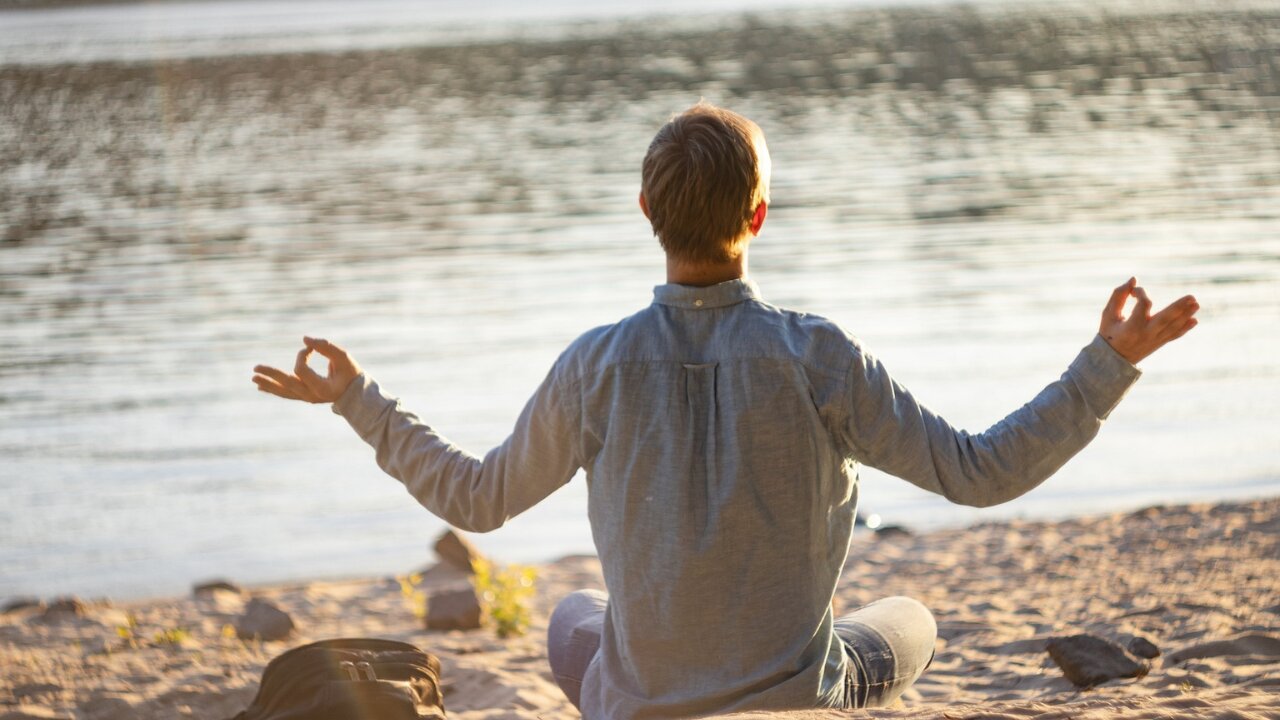
You Were Never Meant to Be This Busy
Here is something nobody tells you when you are racing through your to-do list, answering emails at red lights, and squeezing productivity out of every waking minute: the most spiritually transformative thing you can do today is absolutely nothing. Not “nothing” as in scrolling your phone on the couch. Not “nothing” as in zoning out to reality television. I mean genuine, intentional, sacred nothing. The kind of stillness that makes your nervous system twitch because you have trained yourself to believe that rest without purpose is laziness.
But here is the uncomfortable truth that most of us spend years avoiding: your constant busyness is not a badge of honor. It is a defense mechanism. And somewhere beneath all that motion, your spirit is quietly, persistently asking you to stop.
Before you dismiss this as another lecture about meditation (I promise, it is not), hear me out. This is about something much deeper than breathing exercises or mindfulness apps. This is about the relationship you have with yourself when there is nothing to distract you from who you actually are. And radiant one, that relationship might be the most neglected one in your entire life.
Stillness as a Spiritual Practice, Not a Wellness Trend
We live in a culture that has commodified stillness. Meditation retreats cost thousands of dollars. Mindfulness has been repackaged as a productivity hack. “Self-care” has been reduced to face masks and bubble baths, which, while lovely, barely scratch the surface of what your spirit actually needs. The wellness industry took something profoundly sacred and turned it into a subscription service.
But stillness, real stillness, is not a trend. It is one of the oldest spiritual practices in human history. Across every major spiritual tradition, from Buddhist meditation to Christian contemplative prayer to the Sufi practice of muraqaba, the message is remarkably consistent: when you stop moving, you start hearing. Not hearing the noise of the world, but hearing the quiet voice of your own inner knowing, the one that gets drowned out by notifications, obligations, and the relentless pressure to perform.
According to research published in Psychological Science, people would rather administer electric shocks to themselves than sit alone with their thoughts for just 15 minutes. Let that settle for a moment. We would literally rather cause ourselves physical pain than face the silence. That is not a productivity problem. That is a spiritual crisis.
The reason stillness feels so uncomfortable is not because nothing is happening. It is because everything is happening. When you remove the distractions, all the emotions you have been outrunning, all the questions you have been avoiding, all the grief and longing and desire you have tucked neatly into the “deal with later” folder of your psyche, suddenly have room to surface. And that, radiant one, is exactly the point.
When was the last time you sat in complete silence, no phone, no music, no agenda, and just let yourself exist?
Drop a comment below and tell us honestly. No judgment here, only honesty.
The Spiritual Wound Behind the Busyness
I want to go deeper here because I think we skim past this too quickly. The inability to sit still is not just a modern inconvenience. For many of us, it is rooted in a deeply held belief that we are only valuable when we are producing something. That our worth is measured by our output. That rest must be earned, and even then, it should be brief and efficient.
This is a spiritual wound, not a scheduling problem.
Think about it. When someone asks you how you are doing, what is your default answer? “Busy.” We say it almost proudly, as if busyness is proof that we matter. But spiritual traditions across the world teach the exact opposite: you do not earn your worth through effort. You were born with it. Your existence, without a single accomplishment attached to it, is enough. The practice of doing nothing is, at its core, a radical act of self-love. It is you telling yourself, “I do not need to justify my presence in this world by staying in constant motion.”
This connects to something I think about often when it comes to how we confuse self-sacrifice with virtue. We have been conditioned to believe that pouring ourselves empty is noble, that putting ourselves last is generous. But there is nothing generous about running on fumes. There is nothing virtuous about being so disconnected from your inner self that you cannot recognize your own needs until they become a full-blown crisis.
What Happens When You Actually Stop
Let me walk you through what actually happens, spiritually and psychologically, when you practice intentional stillness. Because it is not just “relaxing.” It is a process of coming home to yourself.
The First Layer: Resistance
The moment you decide to be still, your mind will rebel. It will remind you of the laundry, the email you forgot to send, the grocery list. This is normal. This is not failure. This is your ego, the part of you that has been running the show for years, panicking because you are threatening to look behind the curtain. Psychologists call this “default mode network” activation, the brain’s tendency to fill silence with mental chatter. Spiritual teachers call it something simpler: fear.
The fear of what you might find when you are quiet. The fear that if you stop doing, you might have to start feeling. And for many of us, feeling is the scariest thing of all.
The Second Layer: Emotion
If you sit with the resistance long enough (and it does not take long, sometimes just a few minutes), emotions begin to rise. This is where most people quit. The sadness that surfaces, the anger you thought you had processed, the grief you buried under productivity. These are not signs that stillness is “not working.” These are signs that it is working exactly as it should.
Research from Harvard Medical School has shown that mindfulness meditation physically changes the brain’s response to emotional stimuli, shrinking the amygdala’s reactivity over time while strengthening areas associated with self-awareness and compassion. In spiritual terms, you are not suppressing your emotions through stillness. You are finally giving them a safe place to land.
The Third Layer: Clarity
Beyond the resistance and the emotion, there is a space that is difficult to describe but unmistakable once you have experienced it. A quietness that is not empty but full. A sense of knowing that does not come from your mind but from somewhere deeper. Call it intuition, call it your higher self, call it God or the universe or your gut. The name does not matter. What matters is that this voice has been speaking to you your entire life, and you have been too busy to listen.
This is where real spiritual growth happens. Not in the reading of books (though books are wonderful). Not in the attending of workshops. Not in the posting of inspirational quotes. It happens in the silence, in the willingness to sit with yourself without an agenda and trust that what emerges is exactly what you need.
Finding this helpful?
Share this article with a friend who might need permission to slow down right now.
Practical Stillness: How to Begin Without Losing Your Mind
I am not going to tell you to meditate for 30 minutes a day. If that works for you, beautiful. But for most people, that instruction is about as useful as telling someone who has never cooked to start with a five-course French dinner. Let us be honest about where you are and build from there.
Two Minutes of Nothing
Set a timer for two minutes. Sit somewhere comfortable. Close your eyes if that feels safe, or soften your gaze toward the floor. Do not try to clear your mind. That is a myth that has derailed more meditation practices than anything else. Instead, just notice. Notice your breath. Notice the sounds around you. Notice the thoughts that arise, and then, gently, let them pass without following them down the rabbit hole. That is it. Two minutes. You are not trying to achieve enlightenment. You are trying to choose freedom over the compulsion to always be doing something.
The Gratitude Pause
Before you reach for your phone in the morning (and I know that is the first thing most of us do), take 60 seconds to lie there and name three things you are genuinely grateful for. Not performative gratitude, not the things you think you should be grateful for. Real, felt gratitude. The warmth of your blanket. The fact that you woke up. The person sleeping next to you, or the peaceful solitude of waking up alone. This tiny act rewires your brain’s negativity bias over time, but more importantly, it anchors your spirit in abundance before the world has a chance to convince you that you are lacking.
Sacred Boredom
This one will sound counterintuitive, but try it: schedule boredom. Block 15 minutes on your calendar with nothing planned. No book, no podcast, no journaling prompt. Just you, existing. Let your mind wander. Let it get uncomfortable. According to a study published in the journal Thinking Skills and Creativity, boredom activates the brain’s creative problem-solving networks. But beyond the neuroscience, there is something spiritually powerful about letting yourself be bored. It is an act of trust. Trust that you do not need to be entertained or stimulated every moment. Trust that your own company is enough.
The Evening Inventory
Before bed, spend three minutes reviewing your day without judgment. Not analyzing it, not grading your performance. Just witnessing it. What did you feel today? Where did you abandon yourself? Where did you show up fully? This practice, borrowed from multiple contemplative traditions, builds something that no productivity system ever will: a loving awareness of who you are becoming, separate from what you are accomplishing.
The Courage It Takes to Be Still
I want to name something that rarely gets acknowledged: choosing stillness in a world that rewards constant motion is an act of courage. It takes courage to say no to the next obligation so you can sit in silence. It takes courage to resist the pull of your phone when the anxiety of boredom sets in. It takes courage to face whatever is waiting for you in the quiet.
But that courage, that willingness to meet yourself without armor or agenda, is the foundation of every meaningful spiritual practice. You cannot love yourself if you do not know yourself. And you cannot know yourself if you never give yourself the space to simply be.
This is not about becoming someone new. It is about finally meeting the person who has been there all along, underneath the roles, the responsibilities, the performance. She has been waiting. She is patient. And she has so much to tell you, if you will only get quiet enough to hear her.
The sacred art of doing nothing is not passive. It is one of the bravest things you will ever do. And it begins, beautifully, with a single breath and the radical decision to stop.
We Want to Hear From You!
Which layer of stillness resonates most with you: the resistance, the emotion, or the clarity? Tell us in the comments.
Read This From Other Perspectives
Explore this topic through different lenses