What a $3 Chia Pudding Taught Me About Building Wealth as a Woman
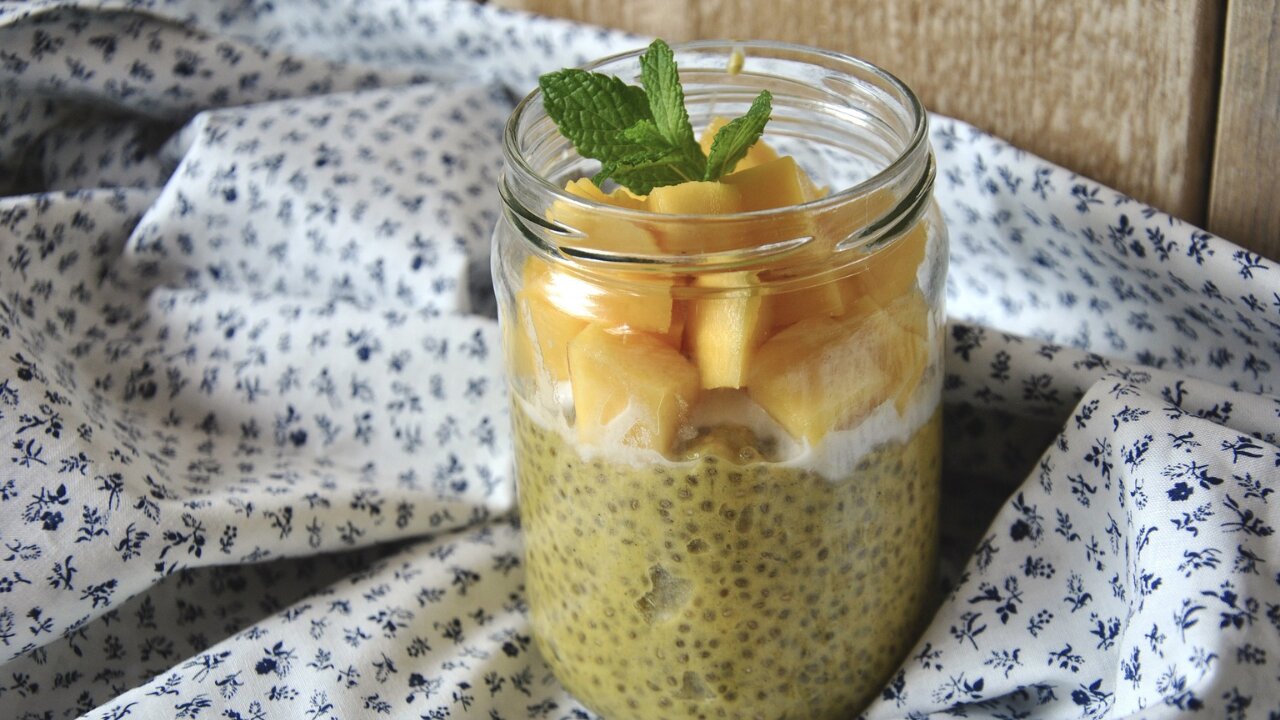
Here is something nobody talks about when they talk about building wealth: it starts at breakfast.
I know that sounds overly simple, maybe even a little silly. But hear me out. A few years ago, I was spending somewhere between $12 and $18 every single morning on breakfast. A latte here, an acai bowl there, maybe a protein smoothie from that cute cafe near my office. I told myself I deserved it. I told myself it was “self-care.” And sure, it felt good in the moment. But when I actually sat down and did the math? I was spending over $400 a month just on morning meals. That is nearly $5,000 a year, gone before 9 a.m.
Then someone introduced me to chia pudding. Specifically, a cashew milk chia pudding with mango that you prep the night before and grab on your way out the door. Total cost per serving? About $2.80. And that tiny shift, that one small, almost embarrassingly simple change, became the gateway to completely rethinking my relationship with money, productivity, and how I fuel my workday.
This is not a recipe article (though I will share the recipe, because it is genuinely delicious). This is about what happens when you start treating your daily habits like business decisions. Because if you are a woman trying to build something, whether that is a career, a side hustle, a savings account, or all three, the smallest financial leaks are often the ones draining you the most.
The Latte Factor Is Real, But It Goes Deeper Than Coffee
You have probably heard of the “latte factor” concept, popularized by financial author David Bach. The idea is simple: small, recurring expenses that seem harmless can add up to massive amounts over time. But here is the part that always frustrated me about that advice. It often felt judgmental, like someone wagging their finger at women for enjoying their morning coffee.
That is not what this is about. This is about awareness. When I started meal prepping my breakfasts instead of buying them, I did not feel deprived. I felt empowered. I was making a conscious choice about where my money went, rather than letting habit decide for me. According to the Bureau of Labor Statistics, the average American household spends over $3,500 annually on food away from home. For single women in urban areas, that number is often higher.
The chia pudding was not about restriction. It was about redirection. Every dollar I saved on breakfast was a dollar I could put toward my emergency fund, my investment account, or yes, an occasional really nice dinner out that I actually savored instead of mindlessly consuming.
Have you ever added up what you spend on breakfast in a month? What number surprised you?
Drop a comment below and let us know. No judgment, just honesty.
Meal Prep as a Wealth-Building Strategy
I want you to think about meal prep not as a wellness trend, but as a financial strategy. Because that is exactly what it is.
When you batch-prepare meals, you are doing something that every successful business does: reducing variable costs and increasing predictability. You know exactly what you are spending on food for the week. You eliminate the impulse purchases (that $7 muffin you grab because you are starving and running late). You reduce food waste because you are buying with intention.
Let me break down the economics of this particular chia pudding recipe, because the numbers genuinely surprised me when I first ran them.
The Cost Breakdown
A batch of cashew milk chia pudding with mango cream costs roughly the following:
- Cashew milk (homemade from raw cashews): approximately $0.90 per batch
- Chia seeds (3 tablespoons from a bulk bag): approximately $0.55
- Fresh mango (one cup): approximately $0.80
- Homemade granola topping: approximately $0.40
- Cinnamon and sea salt: negligible
Total per serving: roughly $2.65 to $3.00, depending on your local prices and whether you buy in bulk.
Compare that to a $14 smoothie bowl from a trendy breakfast spot. If you make this switch five days a week, you save about $55 weekly. That is $240 a month. That is $2,880 a year. Invested in an index fund averaging 7% annual returns, that becomes over $40,000 in ten years.
Let that sink in. A jar of chia pudding could be worth $40,000 to your future self.
The Productivity Angle Nobody Mentions
There is another financial dimension to this that goes beyond the sticker price of your breakfast. It is the productivity cost of not eating well in the morning.
When you skip breakfast or grab something loaded with refined sugar, your blood sugar spikes and crashes. You know the feeling: that 10 a.m. fog where you cannot focus, you reach for more coffee, and your morning productivity tanks. Now multiply that across your entire career. How many hours of sharp, focused work have you lost to a sugar crash?
Chia seeds are particularly interesting from this perspective. They are loaded with fiber, protein, and omega-3 fatty acids, which means they provide sustained energy rather than a quick spike. A study published in the Journal of Nutrition and Metabolism found that chia seed consumption was associated with improved satiety and more stable blood sugar levels. Translation: you stay full longer, you think more clearly, and you do not spend your mid-morning negotiating with yourself about whether to hit the vending machine.
For women building careers or businesses, this matters more than you might think. Your energy is a resource, just like your time and your money. And if you are struggling with procrastination and feeling overwhelmed, sometimes the fix is not a new planner or productivity app. Sometimes it is literally what you ate (or did not eat) at 7 a.m.
Finding this helpful?
Share this article with a friend who might need it right now.
The Real Recipe (Because You Need It)
Okay, I promised I would share this, and I am a woman of my word. This is the exact chia pudding recipe that became my weekday morning ritual. It takes about five minutes to prep the night before.
Ingredients
- 1 1/2 cups cashew milk (homemade is cheaper and tastes better, but store-bought works too)
- 3 tablespoons chia seeds
- A pinch of Himalayan sea salt
- A pinch of cinnamon
- 1 cup fresh mango
- 1/2 cup homemade granola
Instructions
- Mix cashew milk with chia seeds, cinnamon, and sea salt in a mason jar.
- Shake it every 30 seconds for the first 3 minutes (this prevents clumping), then leave it in the fridge overnight.
- In the morning, blend mango until it is creamy and smooth.
- Layer granola on the bottom of a clean jar, add the chia pudding, and top with that gorgeous mango cream.
- Add a fresh mint leaf if you are feeling fancy.
- Grab it and go, or keep it in the fridge for up to two days.
Pro tip from a budgeting perspective: buy chia seeds in bulk from wholesale stores or online. The price per ounce drops dramatically. Same with raw cashews for homemade cashew milk. I spend about 20 minutes on Sunday making a week’s worth of cashew milk, and it saves me roughly $8 to $10 compared to buying cartons.
Small Habits, Compound Returns
Here is what I have learned after years of paying attention to how money actually works in women’s lives: wealth is not built in dramatic leaps. It is built in consistent, intentional, daily decisions. The same way compound interest grows your investments over time, compound habits grow your financial health.
Prepping breakfast the night before is one habit. But it opens the door to others. Once you see how much you save on breakfast, you start looking at lunch. Then you start questioning your subscription services. Then you start automating your savings. Then, before you know it, you have built the kind of financial buffer that gives you real independence.
The financial psychologist Brad Klontz refers to this as “financial health behavior change,” and his research at the American Psychological Association shows that small, sustainable shifts in money behavior are far more effective than dramatic overhauls. You do not need to cut everything enjoyable out of your life. You need to find the spots where spending is unconscious and make it conscious instead.
The Domino Effect in Your Budget
When I started tracking exactly where my breakfast money went, I noticed other patterns too. I was spending $50 a month on apps I forgot I subscribed to. I was paying full price for groceries I could get cheaper at a different store ten minutes away. I was tipping 30% on takeout not because I wanted to be generous, but because I was too distracted to change the default on the app.
None of these things individually seemed like a big deal. Together, they were costing me hundreds every month. And the breakfast shift was what made me start paying attention. It was my entry point into what I now think of as “intentional spending,” which is really just another way of saying: I decide where my money goes, instead of letting my autopilot decide for me.
Why This Matters More for Women
Let’s be honest about something. The gender wealth gap is real, and it is persistent. Women in the United States earn approximately 84 cents for every dollar men earn, according to recent data. We live longer, which means we need more retirement savings. We are more likely to take career breaks for caregiving. And we are less likely to have been taught about investing and wealth building growing up.
All of this means that every dollar matters more. Not in a scarcity mindset way, but in a strategic way. When you have less margin for error, you have to be more intentional with your resources. And that starts with the everyday decisions that most people overlook.
I think about it like this: if someone offered you a $2,880 annual raise, you would take it immediately, right? That is exactly what happens when you optimize a single daily expense. And unlike a raise, nobody can take it away from you. It is not dependent on your boss, your performance review, or the economy. It is entirely within your control.
If you are working on building a healthier relationship with food, approaching it from a financial angle might actually help. When you see nutritious eating as an investment in both your body and your bank account, it stops feeling like deprivation and starts feeling like strategy.
Your Morning Routine Is Your Business Plan
I want to leave you with this thought. The most successful women I know, whether they are running companies, climbing corporate ladders, or building something entirely their own, all have one thing in common. They treat their mornings like they matter. Not in a performative “5 a.m. club” way, but in a practical, grounded way. They eat something that fuels them. They do not blow money before the day has even started. They set themselves up so that when they walk into their work, they are focused, nourished, and not already running on fumes.
A $3 chia pudding is not going to make you a millionaire. But the mindset behind it, the willingness to look at where your money goes, to swap convenience for intention, to treat your daily habits as business decisions, that will.
Start small. Start with breakfast. And watch what happens when you begin treating every dollar like it has a job to do.
We Want to Hear From You!
Tell us in the comments which tip resonated most with you.
Read This From Other Perspectives
Explore this topic through different lenses