The Connection Between What You Eat and How You Feel in Bed
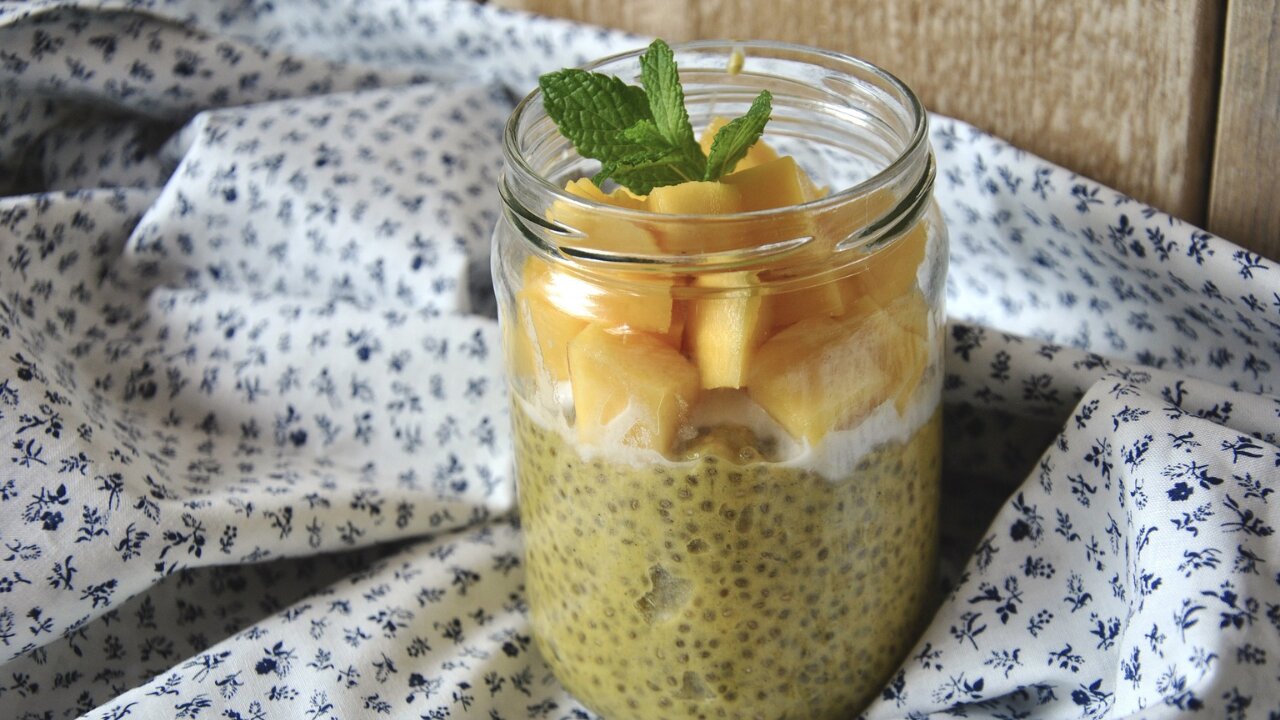
Let me tell you something that took me years to figure out: the way you nourish your body has everything to do with how you experience pleasure. I am not talking about crash dieting into a “sexy” body or following some restrictive meal plan so you feel “worthy” of intimacy. I am talking about the real, physiological connection between the foods you eat and the way your body responds to touch, desire, and closeness.
It started for me with a simple chia pudding. I know, that sounds almost ridiculous. But hear me out, because this tiny seed opened the door to a much bigger conversation about how we fuel ourselves as women and what that means for our sensual lives.
Your Body Is Not Separate From Your Desire
We have been taught to compartmentalize. Our “health” lives in one box, our “sex lives” in another, and never the two shall meet. But your body does not work that way. The same hormones that regulate your mood and energy also regulate your arousal. The same nutrient deficiencies that leave you exhausted on the couch are the ones quietly dimming your libido behind the scenes.
Omega-3 fatty acids, for example, are essential for healthy blood flow and hormone production. According to research published in the Journal of Clinical Medicine, omega-3s play a significant role in reproductive health and hormonal balance. And guess what one of the richest plant-based sources of omega-3s is? Chia seeds. That same little ingredient you might toss into a smoothie without thinking twice is actively supporting the biological foundation of your sexual wellness.
Zinc, magnesium, B vitamins: these are not just items on a supplement label. They are the building blocks your body needs to produce estrogen and testosterone (yes, women need testosterone too, just in smaller amounts), to maintain vaginal lubrication, and to keep your nervous system responsive enough to actually feel pleasure. When you are running on caffeine, processed sugar, and stress, your body is in survival mode. And survival mode does not prioritize orgasms.
Have you ever noticed a shift in your desire when you changed the way you were eating?
Drop a comment below and let us know. We would love to hear your experience.
Sensuality Starts in the Kitchen
There is a reason food and sex have been linked throughout human history. The act of preparing a meal, especially a slow, intentional one, engages all five senses. The texture of fresh mango between your fingers. The smell of cinnamon as it hits cold cashew milk. The anticipation of something you made with your own hands.
This is not just poetic language. Sensuality is the practice of being fully present in your body, of tuning in to sensation rather than numbing out. And if your daily relationship with food is rushed, distracted, or guilt-ridden, that pattern tends to show up in the bedroom too. The woman who eats standing over the kitchen counter while scrolling her phone is often the same woman who struggles to slow down and receive during intimacy.
I started making chia pudding as a small act of self-care, and it became something more. The ritual of it: measuring out the seeds, stirring them into creamy cashew milk with a pinch of cinnamon and sea salt, shaking the jar every thirty seconds for those first few minutes, then letting it rest overnight. There is something beautifully slow about it. You cannot rush chia pudding. It has its own timeline, and you learn to trust the process.
That patience, that trust in something unfolding at its own pace, translates directly to how we approach intimacy. So many of us are in a rush to “get there,” to perform, to make it happen. But reconnecting with your feminine power often means slowing way down and letting pleasure build on its own terms.
The Foods That Actually Support Your Libido
Let me get specific, because I think we deserve better than vague advice about “eating clean.” Here are the nutrients that directly influence sexual wellness and where to find them.
Omega-3 Fatty Acids
These support blood flow to all of your organs (including the ones that matter for arousal), reduce inflammation, and help balance hormones. Chia seeds are one of the best plant-based sources. Two tablespoons give you more omega-3s than a serving of salmon. Other sources include walnuts, flaxseeds, and hemp hearts.
Magnesium
Often called the “relaxation mineral,” magnesium helps your nervous system shift out of fight-or-flight and into the parasympathetic state where arousal actually becomes possible. Cashews are a wonderful source, which is why cashew milk makes such a smart base for this pudding. Dark chocolate, spinach, and pumpkin seeds are also rich in magnesium.
Zinc
Critical for testosterone production and overall sexual function. A 2021 review in the International Journal of Molecular Sciences found that zinc deficiency is associated with decreased sexual desire in women. Pumpkin seeds, chickpeas, and cashews are all excellent sources.
Vitamin C and Antioxidants
Fresh mango is loaded with vitamin C, which supports collagen production and circulation. Better circulation means more sensitivity, more natural lubrication, and more responsive nerve endings. Berries, citrus, and bell peppers are also great choices.
Fiber
This one might surprise you, but gut health and sexual health are deeply connected. Chia seeds are one of the highest-fiber foods available, and a healthy gut microbiome supports estrogen metabolism. When your body processes estrogen efficiently, your hormonal balance stays more stable, and that directly affects desire and comfort during intimacy.
Finding this helpful?
Share this article with a friend who might need it right now.
Making It Together: Food as Foreplay
Here is where I want to take this conversation somewhere unexpected. One of the most underrated forms of intimacy is cooking together. Not a performative, Instagram-worthy couples cooking class, but the quiet, real act of making something nourishing side by side.
Dr. Laura Berman, a well-known sex and relationship therapist, has spoken extensively about how engaging the five senses together builds the kind of emotional and physical connection that leads to better intimacy. When you and your partner are in the kitchen, tasting, smelling, touching ingredients, feeding each other a spoonful of mango cream, you are building arousal pathways without any pressure.
I have a recipe I come back to again and again, and I am going to share it here because it is simple, it is beautiful, and it is genuinely designed with your body in mind.
Cashew Milk Chia Pudding with Mango Cream
What you need:
- 1 1/2 cups cashew milk (homemade is best, just blend soaked cashews with water and strain)
- 3 tablespoons chia seeds
- A pinch of Himalayan sea salt
- A pinch of cinnamon
- 1 cup fresh mango
- 1/2 cup homemade granola
How to make it:
- In a mason jar, mix cashew milk with chia seeds, cinnamon, and sea salt.
- Shake it every thirty seconds for the first three minutes, then leave it in the fridge overnight.
- In the morning, blend the mango until it becomes a silky cream.
- Layer granola on the bottom of a clean jar, spoon in the chia pudding, and top with the fresh mango cream.
- Finish with a fresh mint leaf.
Make two. Eat them together. Do not check your phones.
The Deeper Truth: How You Treat Your Body Sets the Tone
There is a thread that runs through all of this, and it is worth naming plainly. The way you feed yourself is a form of self-intimacy. It is a daily practice of either honoring your body or neglecting it. And when you chronically neglect your body’s basic needs, whether through restrictive eating, emotional eating, or just not paying attention, it becomes very difficult to show up fully in intimate moments with another person.
I see this pattern constantly. Women who skip meals all day and then wonder why they have zero interest in sex by nighttime. Women who feel disconnected from their bodies because they have spent years at war with them over food. Women who have never experienced the simple pleasure of eating something they made slowly, with care, without guilt.
Sexual confidence does not come from a number on a scale or a particular body shape. It comes from feeling at home in your own body, and nourishment is the foundation of that homecoming. When you eat foods that genuinely support your hormonal health, your energy, and your nervous system, you are creating the conditions for desire to flourish naturally.
Small Shifts, Real Results
I am not suggesting you overhaul your entire diet overnight. That kind of all-or-nothing thinking is part of the problem. Instead, consider starting with one small, sensual act of nourishment each day.
Maybe it is making that chia pudding on a Sunday night and eating it slowly on Monday morning. Maybe it is adding a handful of pumpkin seeds to your afternoon snack. Maybe it is replacing your third cup of coffee with a glass of water and noticing how your body responds.
Pay attention to what shifts. Not just in your energy or your digestion, but in your desire. In your sensitivity. In your willingness to be touched. These are subtle changes, but they are real, and they build over time.
When couples come to me feeling disconnected, one of the first things I ask about is how they are eating. Not because food is a magic fix, but because it reveals how much care they are directing toward their own bodies. And you cannot pour from an empty cup, especially not in the bedroom.
If you are navigating a season where intimacy feels difficult or desire feels distant, I want you to know that there is nothing wrong with you. Sometimes the path back to your sexuality runs through your kitchen, through the simple act of reconnecting with your partner over something as ordinary and extraordinary as a shared meal.
Start where you are. Nourish what you have. And trust that your body, when given what it needs, knows exactly how to come alive.
We Want to Hear From You!
Tell us in the comments which tip resonated most with you.
Read This From Other Perspectives
Explore this topic through different lenses