Are You Investing in Your Happiness, or Just Spending Money on Distractions?
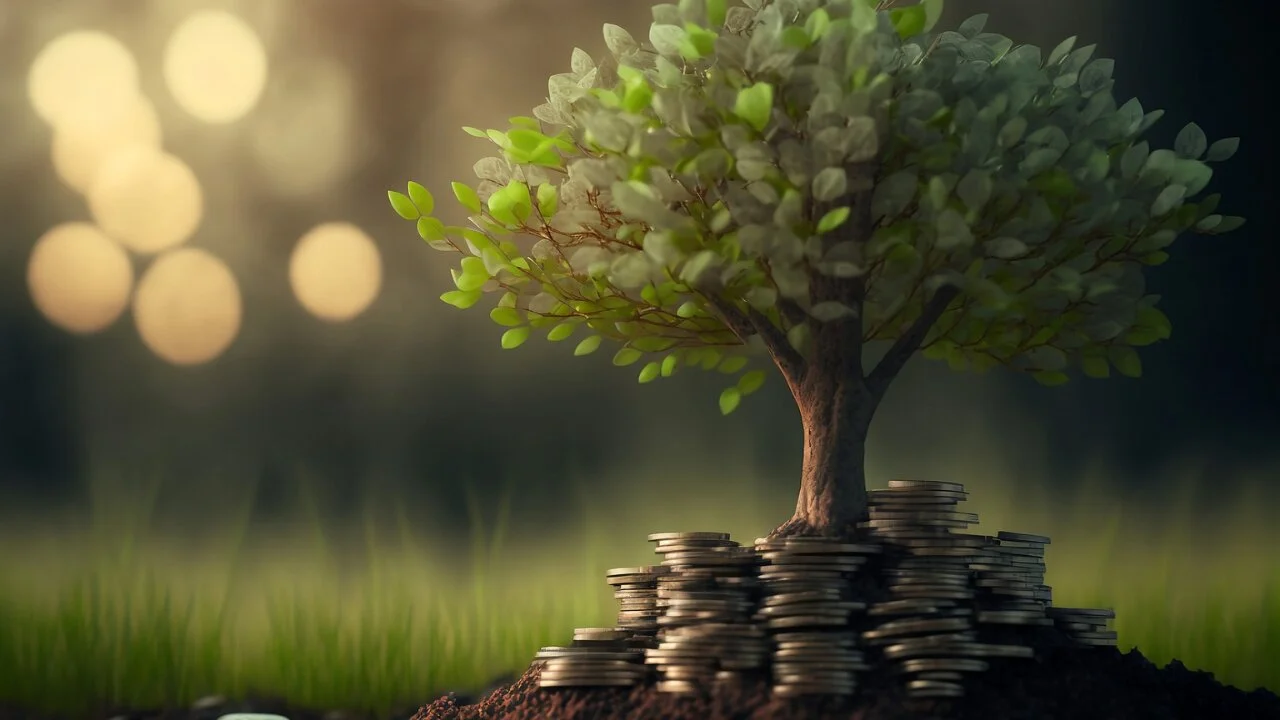
The Uncomfortable Truth About How We Treat Our Own Happiness
Let’s be honest with each other for a moment. If someone asked you what matters most in your life, you would probably say your happiness, your peace, your well-being. Most of us would. And yet, when we look at how we actually spend our time and money, the picture tells a very different story.
We stay in jobs that drain us. We remain in relationships that hurt us. We scroll through our phones for hours while telling ourselves we don’t have time to read a single chapter of a personal development book. We buy things we don’t need to fill a void that no amount of online shopping can ever touch.
This is not a judgment. This is a wake-up call.
The gap between what we say we value and what we actually invest in is one of the biggest reasons so many women feel stuck, unfulfilled, and quietly unhappy. And it is time we talked about it openly.
Why We Spend Freely on Everything Except What Actually Matters
Think about the last time you made a significant purchase. Maybe it was a designer bag, a vacation, a new piece of furniture, or even a fancy dinner out. How long did that feeling of excitement last? A day? A week? According to research published in the Journal of Personality and Social Psychology, people consistently overestimate how much happiness material purchases will bring them, a phenomenon psychologists call the “impact bias.”
We are wired to chase the next shiny thing. The new shoes give us a quick dopamine hit. The home renovation makes us feel accomplished. The luxury vacation gives us content for social media. But once the novelty fades, we are right back where we started, searching for the next thing to fill the gap.
Now compare that to investing in something like therapy, coaching, a personal development course, or even just dedicated time for self-reflection. These things do not give you an instant high. They are slower. They require vulnerability. They force you to sit with uncomfortable truths about yourself. But they are also the things that create lasting, sustainable change in how you feel about your life.
So why do we resist them so fiercely?
Part of it is cultural. We live in a world that rewards external achievement and visible success. Nobody posts their therapy breakthroughs on Instagram (well, most people don’t). Nobody brags about the coaching session that helped them finally set boundaries with a toxic family member. These investments are invisible to the outside world, which makes them feel less “worth it” in a culture obsessed with appearances.
But the deeper reason is fear. Investing in your inner world means admitting that something needs to change. It means looking at the parts of your life that are not working and deciding to do something about it. That is terrifying for most people.
Have you ever bought something to make yourself feel better, only to feel the same emptiness a few days later?
Drop a comment below and let us know. Your honesty might help another woman realize she is not alone in this cycle.
The “I Don’t Have Time” Lie We Tell Ourselves
This is one of the most common excuses we use to avoid investing in ourselves, and it is almost never true.
“I don’t have time to journal.” “I don’t have time for therapy.” “I don’t have time to take that course.” “I don’t have time to work on my goals.”
But somehow, we have time to scroll through social media for two or three hours a day. We have time to binge-watch an entire season of a show in one weekend. We have time to browse online stores for things we do not need.
According to a report from Psychology Today, the average adult spends over four hours per day on their phone outside of work. Four hours. Imagine what your life would look like if you redirected even one of those hours toward something that genuinely nurtures your growth and happiness.
The issue is not time. The issue is priority. And when we are honest with ourselves, we can see that we have been prioritizing comfort and distraction over growth and fulfillment.
This is not about guilt. It is about awareness. Once you see the pattern, you cannot unsee it. And that is actually a good thing, because awareness is the first step toward change.
A Simple Exercise to Reclaim Your Time
For one week, track how you spend your free time. Write it down or use a screen time tracker on your phone. At the end of the week, look at the numbers. Then ask yourself: how much of this time was spent on things that will matter to me in five years? How much was spent on autopilot?
You do not have to overhaul your entire schedule. Even 30 minutes a day dedicated to personal growth, whether that is reading, journaling, meditating, or working with a coach, can create a profound shift over time.
We Hire Experts for Everything Except Our Own Lives
Here is something that has always puzzled me. We have no problem hiring professionals to help us with every other area of our lives. We hire accountants, lawyers, real estate agents, personal trainers, tutors, interior decorators, wedding planners, and financial advisors. Nobody thinks twice about it.
But suggest hiring a life coach or a therapist, and suddenly people hesitate. “That is expensive.” “I can figure it out on my own.” “I do not really need that.”
Let me put it this way: would you take selfies at your own wedding instead of hiring a photographer? Would you represent yourself in court instead of hiring a lawyer? Would you try to rewire your house instead of calling an electrician?
Of course not. You understand that experts bring knowledge, experience, and perspective that you simply cannot replicate on your own, no matter how smart or capable you are.
So why do we think we should be able to figure out our life’s purpose, our emotional patterns, and our relationship dynamics entirely by ourselves?
The truth is, getting professional support for your personal growth and happiness is not a luxury. It is one of the smartest investments you can make. A good coach or therapist can help you identify blind spots, break patterns that have been holding you back for years, and create a clear path toward the life you actually want.
Finding this helpful?
Share this article with a friend who might need it right now.
External Validation Will Never Fill an Internal Void
We live in a world that constantly tells us that the next purchase, the next promotion, the next milestone will finally make us happy. And so we chase. We buy the car, decorate the house, land the job title, post the vacation photos. We build a life that looks incredible from the outside.
But what does it feel like on the inside?
What is the point of driving a beautiful car if you spend every commute filled with anxiety and frustration? What is the point of living in a gorgeous home if you feel empty and alone inside it? What is the point of earning a big salary at a job that slowly destroys your mental health?
These are not hypothetical questions. These are the realities that millions of women live with every single day. And the reason this cycle continues is because we keep investing in the visible, external markers of success while neglecting the invisible, internal work that actually creates happiness.
Research from UC Berkeley’s Greater Good Science Center consistently shows that beyond meeting basic needs, additional income and material wealth have a surprisingly small effect on overall life satisfaction. What does predict happiness? Meaningful relationships, a sense of purpose, self-awareness, and emotional resilience. In other words, the very things that require inner work and personal investment.
What It Actually Looks Like to Invest in Your Happiness
Investing in your happiness does not have to mean spending thousands on a life coach (though that can be wonderful if it is accessible to you). It can look like many different things.
Start With Your Time
Protect your mornings. Create a routine that nourishes you before the demands of the day take over. This might be meditation, journaling, a walk, or simply sitting quietly with your coffee without reaching for your phone. These small acts of self-prioritization send a powerful message to your subconscious: I matter. My inner peace matters.
Invest in Knowledge
Buy that book you have been eyeing. Sign up for the course that excites you. Listen to podcasts that challenge your thinking and expand your perspective. Knowledge about yourself and how the human mind works is one of the most valuable things you can possess.
Seek Professional Support
Whether it is therapy, coaching, or a structured personal growth program, working with someone who can guide you is not a sign of weakness. It is a sign of wisdom. The most successful, fulfilled people in the world all have mentors, coaches, and therapists. They understand that growth is not a solo journey.
Set Boundaries Around Your Energy
Your time and emotional energy are finite resources. Start treating them that way. Say no to things that drain you. Distance yourself from people who consistently bring negativity into your life. Create space for the things and people that genuinely light you up.
Audit Your Spending
Look at your bank statements from the last three months. How much went toward things that gave you temporary pleasure versus things that contributed to your long-term well-being and growth? This is not about feeling guilty. It is about making conscious choices that align with the life you say you want.
You Deserve to Be Your Own Biggest Investment
Here is the bottom line. You invest in what you value. If you say your happiness matters but you are not putting any real time, money, or energy toward it, then it is time to rethink your priorities.
This is not about perfection. It is not about doing everything at once. It is about making a conscious decision, starting today, to treat your inner world with the same care and investment you give to your outer world.
You hire photographers for your memories, decorators for your home, trainers for your body. What about your spirit? Your peace? Your purpose? Those deserve the same level of attention and investment.
Just like we invest in education and career development, we need to invest in the skills and support that help us build a truly fulfilling life. Not someday. Not when you have more money or more time. Now. Because you are worth it, and the life you want is not going to build itself.
We Want to Hear From You!
What is one small step you are going to take this week to invest in your happiness? Tell us in the comments below.
Frequently Asked Questions
What does it mean to invest in your happiness?
Investing in your happiness means intentionally dedicating your time, energy, and sometimes money toward activities and resources that support your emotional well-being and personal growth. This can include therapy, coaching, personal development books and courses, meaningful relationships, and daily habits like journaling or meditation. It is about treating your inner peace as a priority, not an afterthought.
Why do people spend money on material things instead of personal growth?
Material purchases offer instant gratification, a quick dopamine hit that feels rewarding in the moment. Personal growth work, on the other hand, is slower and often uncomfortable because it requires self-reflection and vulnerability. Our culture also tends to reward visible, external success over internal well-being, making it easier to justify spending on things others can see.
Is hiring a life coach or therapist really worth the money?
For most people, yes. Just as you would hire an accountant for your finances or a trainer for your fitness, a coach or therapist brings professional expertise to your personal growth. They help you identify patterns you cannot see on your own, provide accountability, and offer evidence-based strategies for creating lasting change in your life.
How can I start investing in myself when I do not have much money?
Investing in yourself does not have to be expensive. Start with free resources like podcasts, library books, or YouTube educational content. Dedicate 30 minutes a day to journaling or self-reflection. Set boundaries that protect your energy. Many therapists also offer sliding-scale fees, and there are affordable online counseling platforms available. The most important investment is your time and attention.
How do I know if I am prioritizing external validation over internal happiness?
Ask yourself these questions: Do I make decisions based on what looks good to others or what feels right to me? Do I feel a need to share my achievements on social media to feel validated? Do I feel empty despite having many of the things I thought would make me happy? If you answered yes to any of these, you may be investing more in external approval than in your own genuine well-being.
What are some daily habits that support long-term happiness?
Research-backed habits include regular physical movement, practicing gratitude, maintaining meaningful social connections, spending time in nature, limiting screen time, journaling, and mindfulness or meditation. Consistency matters more than perfection. Even five to ten minutes a day of intentional self-care can create significant improvements in your overall well-being over time.