Finding Your Way Back to Yourself After Trauma and Anxiety
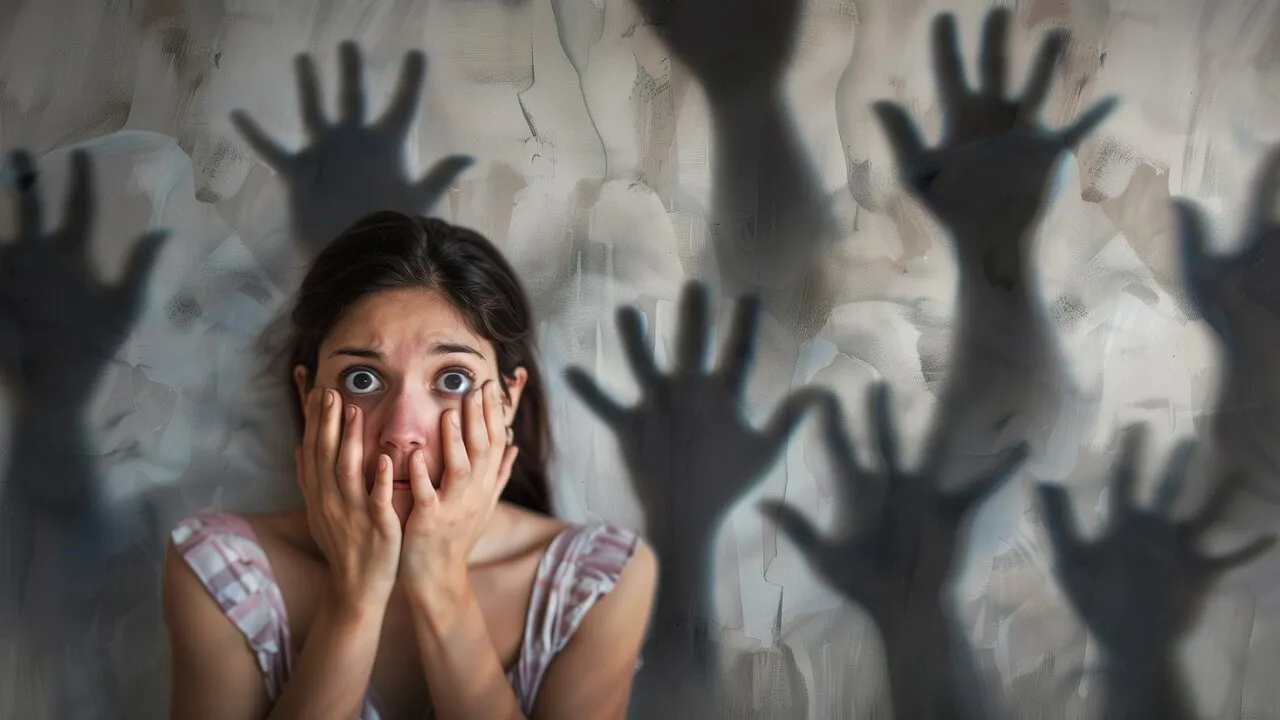
You know the feeling.
Head pounding. Heart squeezed tightly. Mind racing. Breath shortened.
What Anxiety After Trauma Really Feels Like
If you had to pick one word to describe anxiety, it might be this: suffocation. It is like an invisible weight pressing down on your chest while your mind spirals through worst-case scenarios. “I am not safe.” “Something terrible is about to happen.” These thoughts feel absolutely real in the moment, even when some rational corner of your brain knows they are not.
For many women, anxiety does not arrive out of nowhere. It builds quietly over years, tucked behind smiles and routines, until a single event cracks everything wide open. That is exactly what happened to me.
I was 22 years old when I became acutely aware of my anxiety. Before that night, I was just your average early adult. Studying during the week, going out with friends on weekends, living what felt like a normal life. Then, in April 2012, my drink was spiked at a party. I remember being handed a cup, taking a sip, and sensing something was off. I tried it again, then asked someone nearby. They smelled it, threw it out, and said, “What the hell are you drinking that for?”
Thinking nothing more of it, I rejoined my friends on the dance floor. Everything was fine. And then, the next thing I knew, I woke up in a hospital.
My memory was fuzzy. I was confused and scared. The stories people told me from that night were horrifying: jumping out of cars, running through traffic, screaming at my mum, pulling my hair out. The most terrifying part was that I had absolutely no memory of any of it. I was left with a frightened mother, a concerned father, and very worried friends.
That experience unscrewed the tightly bound lid on every emotion I had ever repressed.
Have you ever had a single moment that changed the way you see yourself and the world around you?
Drop a comment below and let us know…
When Trauma Unlocks Hidden Anxiety
After that night, anxiety screamed louder than anything else. Panic attacks set in almost immediately. I developed a deep, consuming fear of leaving the house. Of being around people. Of any and all social situations.
My mind had decided, with absolute certainty, that everyone was a threat.
According to the American Psychological Association, trauma can fundamentally alter the way our nervous system responds to perceived danger. What was once a proportionate fear response becomes amplified, firing at situations that pose no real threat. Your brain essentially gets stuck in survival mode, unable to distinguish between genuine danger and everyday life.
Looking back, I think I always knew I was an anxious person. The signs were there long before that night. Days off school with mysterious stomach aches. Making excuses to avoid plans with friends. Leaving gatherings early. Preferring the solitude and quiet of my own space to the unpredictability of the outside world.
But this experience took what had been a low hum of background anxiety and turned the volume up to a level I could no longer ignore. Research published in the Journal of Traumatic Stress confirms what many of us know intuitively: traumatic events do not create anxiety from nothing. They often activate and intensify patterns that were already present, sometimes since childhood.
The Turning Point: Choosing to Look Inward
This intense experience brought up feelings of extreme vulnerability and inescapable hurt. But it also gave me something unexpected: an opportunity. An opening to dive deep inside myself and begin what would become the most important journey of my life.
Because living a life defined by isolation, disconnection, and relentless anxiety is not really living at all.
I began the difficult, sometimes painful, but ultimately rewarding process of turning inward. My inner self had been screaming for attention for years. For affection. For love. And I was the only person who could give it to her.
I started by becoming a student of my own healing. I read every book I could find on anxiety, trauma, and personal growth. I listened to podcasts, audio programs, and watched countless hours of educational content. I sought out a mentor who understood what I was going through. I talked to people who had walked similar paths and asked what worked for them and what did not.
Building a Daily Practice
Slowly, I built a set of daily practices that became my anchor:
Journaling became my safe space. Writing down my thoughts allowed me to externalize the chaos in my head and see it for what it was: thoughts, not facts. Harvard Health has noted that expressive writing can significantly reduce stress and help process traumatic experiences.
Meditation taught me to observe my anxiety without being consumed by it. Even five minutes a day made a noticeable difference in my ability to create space between a trigger and my reaction to it.
Prayer and spiritual connection reminded me that I was part of something larger than my fear. It gave me hope on the days when anxiety tried to convince me that things would never get better.
Taking inventory of my life helped me see clearly where I was, who I was spending time with, and whether those relationships were supporting or undermining my healing. This was one of the hardest steps because it meant making changes that some people did not understand.
I also created a vision for myself and for my life. Not a vague wish, but a clear picture of the woman I wanted to become and the life I wanted to build. That vision became my compass on the days when anxiety tried to pull me back into hiding.
Finding this helpful?
Share this article with a friend who might need it right now.
Will You Ever Be Completely Anxiety Free?
Years into this journey, and the honest answer is no. I do not believe I will ever be completely free of anxiety. And, surprisingly, I have made peace with that.
Here is what I have learned instead: as my self-awareness has grown and my insights into my own behavior have deepened, I have discovered a strength I never knew I had. Through reflection and practice, I have identified my triggers, reduced my exposure to situations that amplify my anxiety, and learned to manage my emotional state with far more skill than I ever thought possible.
This does not mean that anxiety never shows up. It does. But its grip has loosened. It no longer runs my life.
Welcoming Yourself Home
The most transformative shift came when I stopped fighting anxiety and started welcoming it. Not welcoming it in the sense of inviting more of it, but acknowledging it without judgment. Treating it like information rather than an enemy.
Whenever we deny, push down, or try to suppress our feelings, they only grow louder. Our emotions demand to be heard and felt. Only when we breathe into them, accept them, and approach them with curiosity and kindness can we begin the process of letting go and shifting our energy.
This realization allowed me the freedom to welcome myself home. To learn to love and accept all parts of who I am, including the anxious parts. Because anxiety is not a flaw. It is a signal. It is your nervous system trying to protect you, even when the protection is no longer needed.
Making the Choice Every Single Day
Instead of dissociation, running away, and avoidance, I now make a conscious choice. Every day, I stand in my own power and I say, clearly and without apology: “This is who I am.”
I choose to feel my feelings without feeding the story my mind wants to create around them.
I choose to listen to my body when she speaks to me.
I choose to nourish my soul with positivity, love, and care.
I choose to nurture my mind with kindness and compassion.
Because at the end of the day, life comes down to our decisions. Joyful or sad. Connected or disconnected. Empowered or disempowered.
I wake up every single day with renewed energy and remind myself that I am worthy of love, starting with my own. I wholeheartedly accept who I am right now while continuing to work on becoming the woman I am meant to be. I honor the commitment I have made to love, respect, and care for myself every day of my life.
My intention is simple: to be the best version of myself I can be in each moment. Not perfect. Not anxiety-free. Just present, honest, and willing.
It all starts with a choice.
We Want to Hear From You!
Tell us in the comments which part of this story resonated most with you.