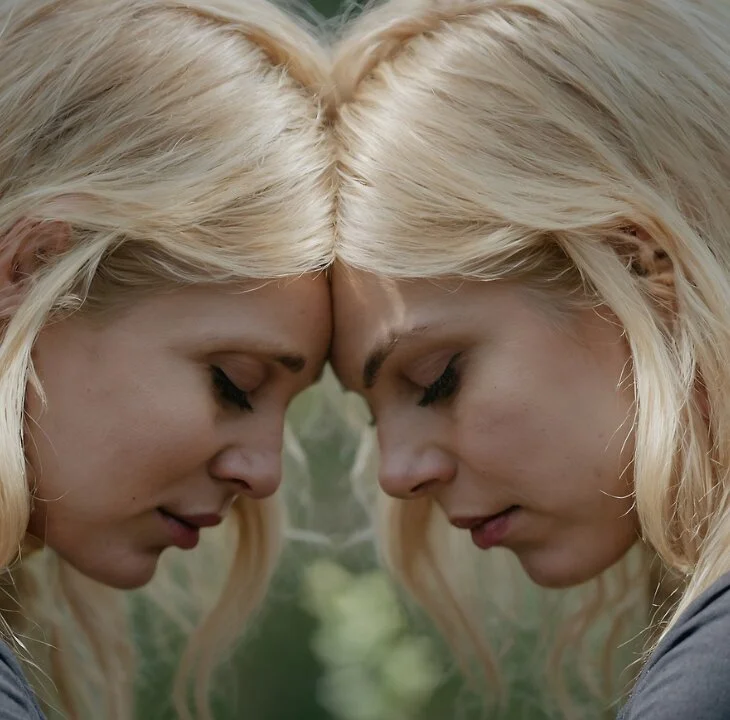
Your Menstrual Cycle Is a Superpower: How to Work With All Four Phases
Why Your Menstrual Cycle Deserves More Attention
Most women grow up learning to tolerate their menstrual cycle rather than truly understand it. We push through cramps, power through fatigue, and treat our periods as an inconvenience to manage. But what if the very thing we have been taught to suppress is actually one of the most valuable tools we have for building a life that feels deeply aligned?
Your menstrual cycle is not just about reproduction. It is a roughly 28-day rhythm that influences your energy, mood, creativity, social drive, and even the way you process emotions. According to the American College of Obstetricians and Gynecologists, hormonal fluctuations across your cycle affect everything from sleep quality to cognitive function. When you start paying attention to these shifts instead of fighting them, something remarkable happens: you stop feeling broken on your low days and start feeling strategic about your high ones.
Think of your cycle as four distinct seasons, each with its own strengths and needs. When you learn to align your work, rest, relationships, and creativity with these internal seasons, you are not limiting yourself. You are giving yourself permission to operate at your best in every phase, rather than trying to perform at the same level every single day of the month.
This is not about perfection. It is about awareness. And once you have it, you will wonder how you ever lived without it.
Have you ever noticed your energy shifting throughout the month without understanding why?
Drop a comment below and tell us where you are in your cycle awareness journey. We would love to hear from you.
The Four Phases of Your Menstrual Cycle (and How to Use Each One)
Your menstrual cycle can be divided into four phases, each driven by different hormonal patterns. Understanding what is happening in your body during each phase helps you make better choices about how you spend your energy. Here is your guide to working with (not against) your biology.
Phase 1: Menstruation (Your Inner Winter)
This phase begins on the first day of your period and typically lasts three to seven days. Progesterone and estrogen are at their lowest, which is why you may feel tired, introspective, or emotionally tender. Your body is doing real physical work, shedding the uterine lining and resetting for the cycle ahead.
This is your season of rest and reflection. Rather than pushing through at full speed, honor what your body is asking for. Scale back intense workouts in favor of gentle movement like walking or stretching. Give yourself permission to say no to social commitments that feel draining. Use this quiet energy to journal, reflect on the month behind you, and set intentions for the cycle ahead.
Practically speaking, this is a powerful time for honest self-assessment. What is working in your life right now? What needs to change? The clarity that comes during menstruation can be surprisingly sharp, precisely because the usual noise of high-energy hormones has quieted down. Research published in Frontiers in Neuroscience confirms that hormonal changes across the cycle influence cognitive processing and emotional regulation, which means your reflective insights during this phase are not random. They are hormonally supported.
Phase 2: The Follicular Phase (Your Inner Spring)
After your period ends, estrogen begins to rise steadily. You will likely notice a shift: more energy, more optimism, a desire to start new things. This is your inner spring, and it is the ideal time to take action on whatever insights surfaced during menstruation.
Use this phase to plan new projects, brainstorm ideas, try new recipes or workouts, and tackle tasks that require fresh thinking. Your brain is primed for learning and problem-solving right now. If you have been putting off a difficult conversation or a creative project, this is when you will feel most capable of diving in.
The key here is momentum. You do not need to have everything figured out. Just start. The rising energy of this phase will carry you forward.
Phase 3: Ovulation (Your Inner Summer)
Estrogen peaks and testosterone gets a brief boost during ovulation, which typically occurs around day 12 to 14 of your cycle. This is when most women feel their most confident, social, and energized. Your communication skills are sharper, your libido may increase, and you may feel a magnetic pull toward connection.
This is the time to schedule important meetings, have meaningful conversations, collaborate with others, and lean into your social life. If you have been wanting to put yourself out there, whether for a job interview, a date, or a creative presentation, ovulation is your window.
It is also a beautiful time to nurture your relationships. Plan a dinner with friends, have a deeper conversation with your partner, or simply enjoy the warmth of connection. Your body is literally designed to seek out and thrive in community during this phase. For more on why self-care and connection are not luxuries but essentials, take a look at our earlier guide.
Phase 4: The Luteal Phase (Your Inner Autumn)
After ovulation, progesterone rises and estrogen gradually drops. The first half of this phase often still feels productive and focused, but as you approach your period, you may notice your energy turning inward again. You might feel more critical, more detail-oriented, and less patient with things that are not working.
Rather than viewing this as “PMS ruining your mood,” reframe it. Your inner autumn is showing you what needs attention. That frustration with a cluttered house? It is telling you to create more order. That irritation with a relationship dynamic? It is pointing to a boundary that needs reinforcing.
Use the early luteal phase to finish projects and tie up loose ends. Use the later days to slow down, increase your self-care rituals, and prepare for the rest of menstruation. Nourishing foods, warm baths, earlier bedtimes, and saying no to overcommitment are not indulgences during this phase. They are necessities.
Finding this helpful?
Share this article with a friend who might need it right now.
What Happens When You Ignore Your Cycle
Living as though every day should look and feel the same is one of the fastest routes to burnout. When you schedule high-intensity workouts during menstruation, pack your social calendar during your luteal phase, or expect the same creative output every single week, you are essentially working against your own biology.
The result? Chronic fatigue, worsening PMS symptoms, frustration with yourself for “not being productive enough,” and a growing disconnection from your body. Many women end up believing something is wrong with them when the real issue is a mismatch between their expectations and their physiology.
Strong menstrual pain and severe PMS are worth investigating with a healthcare provider, but for many women, simply aligning daily habits with their cycle phase can reduce discomfort significantly. A 2023 review published in the International Journal of Environmental Research and Public Health found that menstrual cycle awareness and lifestyle adjustments were associated with improved well-being and reduced symptom severity. Sometimes the most radical health choice you can make is simply to work with your body instead of against it.
Perimenopause, Menopause, and the Bigger Picture
Your relationship with your cycle does not end when your periods become irregular or stop altogether. Perimenopause, the transitional years leading to menopause, is its own profound phase. Hormones fluctuate unpredictably, cycles may shorten or lengthen, and symptoms like hot flashes, sleep disruption, and mood shifts can feel disorienting.
But here is what many women discover: if you have spent years paying attention to your cycle and honoring its rhythms, you enter perimenopause with a deep trust in your body’s wisdom. You already know how to listen to what your body needs. You already have practices in place for rest, reflection, and self-care. The transition is still challenging, but you meet it as a woman who knows herself.
For those encountering cycle awareness for the first time during perimenopause, it is never too late. The same principles apply. Pay attention to your energy. Rest when your body asks for rest. Move when movement feels good. Nourish yourself with intention. Menopause is not an ending. It is a deepening, a time when the wisdom you have gathered through decades of living in a cycling body becomes your steady foundation.
Getting Started: Practical First Steps
You do not need to overhaul your entire life to start working with your cycle. Begin with these simple practices.
Track your cycle for two to three months. Use a simple app or a notebook. Record not just when your period starts and ends, but how you feel each day: your energy level, mood, creativity, social desire, and any physical symptoms. Patterns will emerge faster than you expect.
Start with one adjustment per phase. Maybe you schedule lighter workouts during menstruation, or you block off creative work during your follicular phase. You do not have to change everything at once. Small shifts compound over time.
Release the guilt. Resting during your period is not laziness. Saying no during your luteal phase is not antisocial. These are acts of intelligent scheduling that ultimately make you more effective, not less.
Be patient with yourself. It takes a few cycles to really see the patterns clearly and even longer to build new habits around them. Treat this as a long-term relationship with your body, not a quick fix.
The goal is not to live by a rigid set of rules. It is to develop a fluid, ongoing conversation with your body so that you can make choices from a place of awareness rather than autopilot. Over time, this practice builds a kind of inner confidence that no productivity hack or wellness trend can replicate. You stop looking outside yourself for answers because you have learned to find them within.
We Want to Hear From You!
Which phase of your cycle do you notice the most? Tell us in the comments, and let’s start a real conversation about what it means to live in rhythm with our bodies.