When Giving Becomes Selfish: The Hidden Truth About Why You Pour Into Others

The Wake-Up Call Nobody Warns You About
On the path to personal growth, there are moments that stop you in your tracks. Not the kind you read about in books or hear on podcasts. The real ones. The ones that creep up when you think you have it all figured out, when you feel stronger and more grounded than ever, only to reveal a blind spot so tender it takes your breath away.
For most of us walking this road toward becoming our most authentic selves, there is always another layer to peel back. Another lesson waiting patiently in the wings. And sometimes, the deepest lessons come wrapped in our most admirable qualities.
This particular lesson did not arrive through heartbreak, rejection, or any dramatic life event. It arrived quietly, disguised as generosity. It showed up in the realization that giving, the thing so many of us pride ourselves on, can be one of the most quietly selfish things we do.
Not selfish in the way society typically defines the word. Not greedy or unkind. Selfish in the sense that it serves a hidden need we have not yet faced. A need for approval. A hunger for worthiness. A desperate, silent plea to be told that we matter.
Have you ever given everything to someone and then felt strangely empty afterward?
Drop a comment below and let us know. You might be surprised how many women share this exact experience.
The Moment Generosity Stops Feeling Good
Giving is beautiful. It is one of the most human things we can do. We give our time, our energy, our attention, our love. We bake treats “just because.” We send thoughtful cards. We show up with encouraging words when others are struggling. On the surface, it looks like pure love in action.
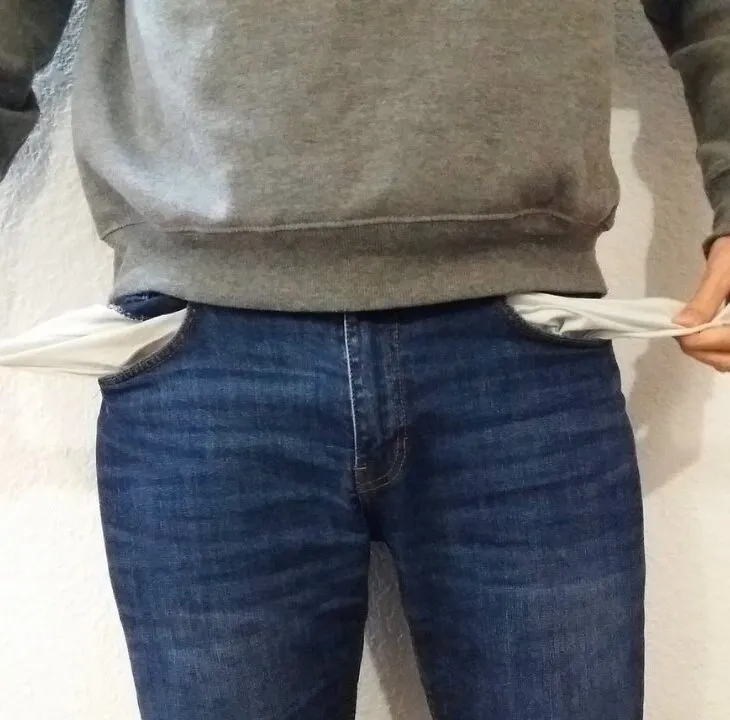
But what happens when the giving leaves you depleted? When you have poured every ounce of yourself into someone else and you are left feeling hollow, disappointed, and strangely resentful?
This is the moment that deserves your attention. Not because giving is wrong, but because the emptiness is trying to tell you something. According to research published in the Psychology Today blog on the psychology of giving, our motivations for generosity exist on a spectrum. On one end sits genuine altruism. On the other sits what psychologists call “egoistic giving,” where the act of giving is driven by a desire to receive something in return, whether that is love, validation, or a sense of personal worth.
The tricky part? Most of us live somewhere in the middle without realizing it. We genuinely love to give. That part is real. But underneath, there is often a quieter motivation running the show.
The light bulb moment sounds something like this: “If I truly love to give, why do I feel so empty when nothing comes back?”
That question is not comfortable to sit with. But it is one of the most important questions you will ever ask yourself.
What You Are Really Looking For
When the giving leaves you empty, the expectation hiding underneath is rarely about material things. It is not about wanting a gift in return or expecting a favor. The expectation is far more primal than that.
You want to be seen. You want to feel loved. You want someone to turn around and say, “You are enough. You belong here. You do not need to change a single thing about yourself.”
This pattern often has deep roots. For many women, it traces back to childhood experiences of feeling like the outsider, the one who did not quite fit the mold. Research from the American Psychological Association on self-esteem development confirms that early experiences of rejection, bullying, or feeling “different” can create lasting patterns of seeking external validation well into adulthood.
If you were the quirky kid, the one with big dreams that did not align with what was considered “normal,” you may have internalized a belief that you needed to earn your place. That love was something you had to work for. That your value was conditional, based on what you could offer rather than who you inherently are.
Those childhood wounds do not simply disappear with age. They evolve. They become sophisticated. They disguise themselves as generosity, as being “the giving one” in every relationship. And they drive you to pour into others with an intensity that, if you are honest, is not entirely about them. It is about you. It is about filling a void that only you can fill.
The Breaking Point: When Resentment Reveals the Truth
There is usually a breaking point. A week where everything feels heavy. Where you withdraw, cry at the smallest things, and feel overwhelmed by negative thought patterns that seem to come from nowhere.
And in the middle of that pain, a thought surfaces: “Where is the person I have been pouring into? Where are they now that I need them?”
The anger that follows is real. The resentment is valid as an emotion. But it is also a signpost. It is pointing you toward an uncomfortable truth: you were not giving freely. There were strings attached, invisible even to you, and when those strings were not pulled in the direction you hoped, the whole thing unraveled.
This is not a character flaw. This is a human experience. And recognizing it is not a failure. It is one of the bravest things you can do.
The realization goes something like this: there was genuine love behind every act of giving. That is undeniable. But dig a little deeper and there it is. You gave for love. You gave for approval. You gave to feel worthy of being alive.
Finding this helpful?
Share this article with a friend who might need it right now.
The Hardest Lesson: You Are Worthy Because You Exist
Here is the truth that sounds simple but takes a lifetime to practice: you are worthy simply because you exist. Not because of what you give. Not because of how hard you try. Not because someone else finally acknowledges your efforts.
You are worthy in the still moments. In the quiet. In the space between doing and being.
A study published in the research on self-compassion by Dr. Kristin Neff shows that developing self-compassion, treating yourself with the same kindness you so readily offer others, is directly linked to improved emotional resilience, lower anxiety, and a stronger sense of self-worth. In other words, the love you keep giving away is the exact medicine you need to turn inward.
The struggle so many of us face is that we can be endlessly generous with others while being painfully stingy with ourselves. We give pieces of ourselves away and then wonder why we feel incomplete. We pour from our cup until it runs dry and then resent the people who did not think to refill it.
But here is the thing: that cup is yours to fill. It always has been.
Conscious Giving: A New Way Forward
This does not mean you stop giving. Giving is a beautiful, deeply human act. It connects us. It creates meaning. The goal is not to become guarded or transactional. The goal is to become conscious.
Before you give, whether it is your time, your energy, a gift, or your emotional labor, pause and ask yourself two questions:
- Am I coming from love or from fear? Love gives freely. Fear gives to avoid rejection, to secure a place, to prove something.
- What am I hoping to gain from this? If the honest answer is “nothing,” give with your whole heart. If the answer is approval, belonging, or validation, that is information worth sitting with.
These two questions will not transform you overnight. But they will begin to shift something fundamental. They move you from unconscious giving, where hidden expectations drive the show, to conscious giving, where your generosity flows from a place of fullness rather than lack.
Alongside this practice, begin directing some of that extraordinary generosity toward yourself. Invest in your own self-confidence. Speak to yourself the way you speak to the people you love most. Celebrate your own efforts. Acknowledge your own growth. Give yourself the approval you have been seeking from everyone else.
What Conscious Giving Looks Like in Practice
It looks like baking for your friend because you genuinely enjoy it, not because you are keeping score. It looks like sending that encouraging text because it brings you joy, not because you are building a case for why they should show up for you later. It looks like saying no when you are running on empty, even if the old version of you would have said yes to keep the peace or earn another deposit in the approval bank.
It also looks like sitting with discomfort. Because when you stop using giving as a way to feel worthy, you will come face to face with the void that was always there. That void is not a problem to solve. It is a space to fill with self-knowledge, self-compassion, and the quiet, radical belief that you are enough as you are.
The Bravest Act of All
We are taught that giving is noble and that selflessness is the highest virtue. And there is truth in that. But there is a version of giving that is not selfless at all. It is a survival strategy dressed in kindness.
Recognizing this in yourself is not something to be ashamed of. It is something to be proud of. Because awareness is the first step toward change, and change is the first step toward freedom.
At the core of your life is the relationship you have with yourself. Everything else, every friendship, every partnership, every act of generosity, flows from that center. When that center is solid, your giving becomes genuine. When that center is hollow, your giving becomes a way to fill the gap.
Sometimes the bravest, most courageous act is not giving to others. It is giving to yourself. It is choosing to believe, even when every old wound says otherwise, that you are worthy of the love you so freely hand to everyone else.
That is not selfish. That is the most generous thing you will ever do. Because a woman who knows her own worth does not give from desperation. She gives from overflow. And that kind of giving changes everything.
We Want to Hear From You!
Tell us in the comments: have you ever caught yourself giving to earn love? What shifted for you when you realized it? Your story could be the thing someone else needs to hear today.