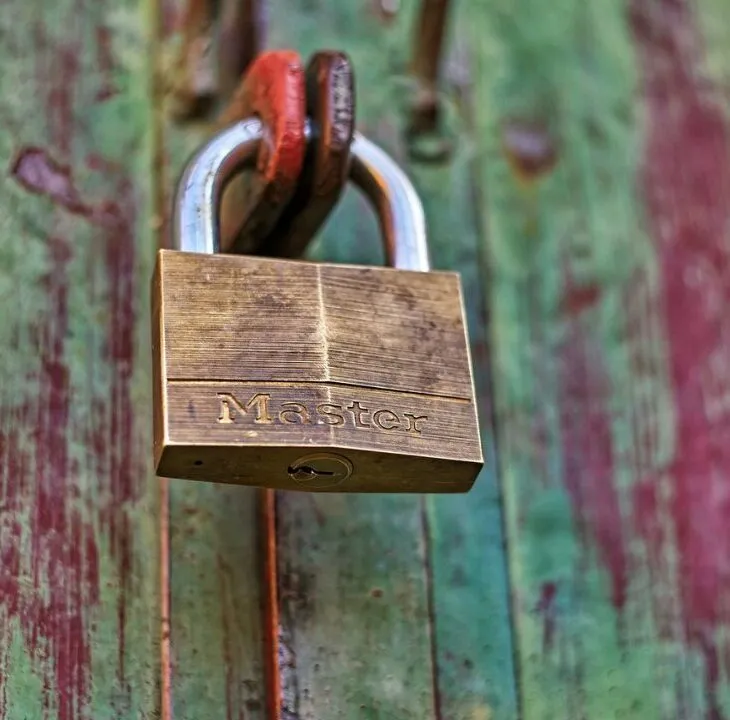
The Spiritual Growing Pain Nobody Warned You About
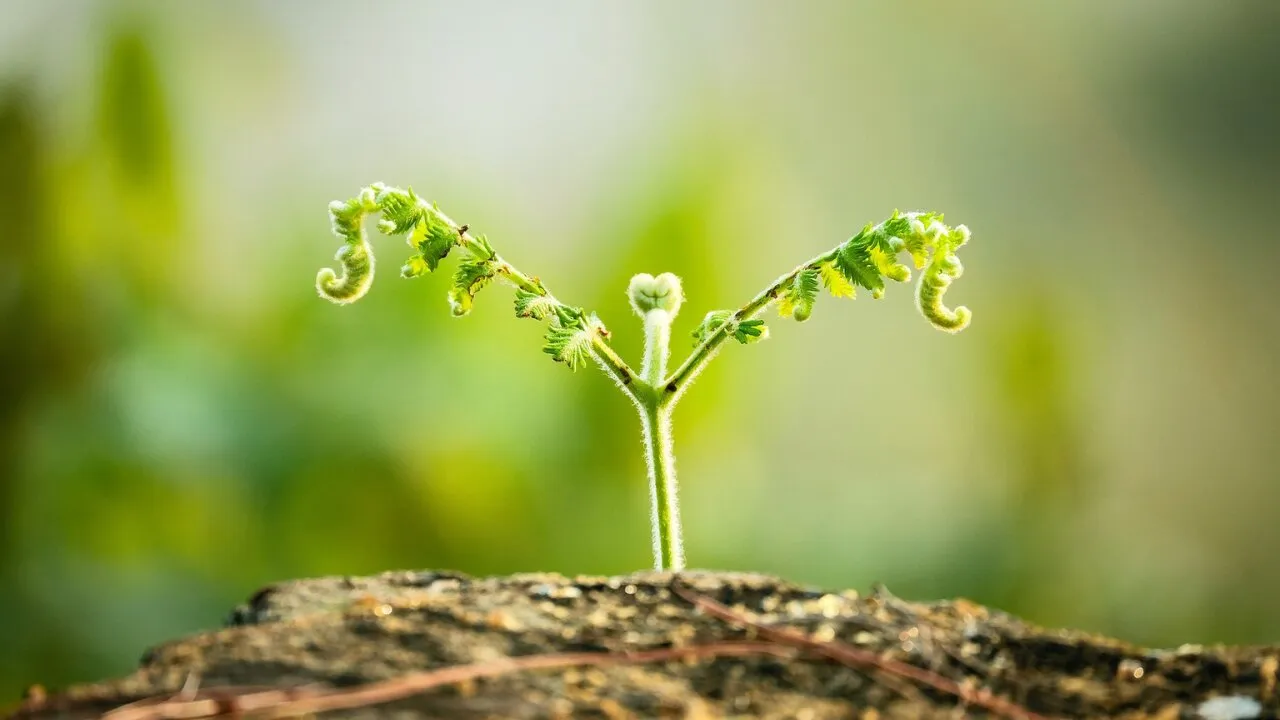
Feel: Held.
Know: The ache you feel when you are growing spiritually is not a sign that something is wrong. It is a sign that something is finally right.
Do: The next time discomfort rises during your healing journey, place your hand on your heart and say, “I am safe to become who I am becoming.”
I need to tell you something that took me over a decade to understand, and I am a little frustrated it took that long, but I also know it could not have happened any sooner. That is the thing about spiritual growth. It operates on its own timeline, and no amount of journaling or sage burning or perfectly curated morning routines will rush it along.
Here is what I wish someone had told me years ago: the most transformative seasons of your life will not feel transformative while you are inside them. They will feel like you are falling apart. They will feel heavy, confusing, and deeply uncomfortable. And your first instinct will be to make it stop.
The Ache That Means You Are Waking Up
I remember a period in my life when I had committed fully to doing the inner work. I had started meditating daily, reading everything I could about mindfulness and self-awareness, and I had even found a therapist I genuinely trusted. On paper, I was doing all the right things. I was showing up for myself in ways I never had before.
And I felt terrible.
Not in a dramatic, crying on the bathroom floor kind of way (although there were a few of those moments too). It was more of a low, persistent ache. Like I had peeled back a layer of myself and what was underneath was raw and tender and not ready to be seen yet. I started questioning everything. Why was I doing this? Was I even making progress? Maybe I was one of those people who just was not meant for peace.
I almost quit. I almost convinced myself that the discomfort meant I was on the wrong path, that maybe all this self-reflection was actually making things worse. And I know I am not the only woman who has stood at that exact crossroads.
According to research published in the journal Behaviour Research and Therapy, emotional discomfort during therapeutic and mindfulness practices is not only common but is often a predictor of deeper psychological growth. The discomfort is not the obstacle. It is the doorway.
Have you ever been in the middle of doing the inner work and suddenly felt like everything was getting worse instead of better?
Drop a comment below and let us know. You might be surprised how many of us have been in that exact place.
Why Your Spirit Resists the Very Thing It Needs
Here is what I have come to understand about spiritual discomfort, and it changed the entire way I relate to myself.
Your ego, that deeply protective part of you that has been running the show for years, does not want you to grow. Growth means change. Change means the old version of you has to step aside. And that old version, even if she was anxious and people-pleasing and exhausted, at least she was familiar. Your nervous system knows her. Your habits know her. Your relationships were built around her.
So when you start to practice real self-care and do the deep, unglamorous work of healing, your entire system sends up alarm signals. Not because you are in danger. Because you are changing. And to a brain that has spent decades equating sameness with safety, change feels like a threat.
This is why so many women abandon their spiritual practices right when they are about to break through. The resistance feels so real, so convincing, that we mistake it for intuition telling us to stop. But there is a critical difference between intuition and fear, and learning to tell them apart might be the most important spiritual skill you ever develop.
Intuition feels calm, even when the message is difficult. Fear feels urgent and panicked and desperate to pull you back to where you started.
The Messy Middle Is Sacred Ground
I used to think spiritual growth looked like a steady upward climb. You meditate, you journal, you forgive, you release, and slowly you ascend into some enlightened version of yourself who never loses her temper in traffic and always remembers to drink water.
That is not how it works. Not even close.
Spiritual growth looks more like a spiral. You will circle back to the same wounds, the same triggers, the same patterns, but each time you meet them from a slightly different altitude. Each time, you have a little more awareness, a little more compassion, a little more space between the stimulus and your response. And that space, tiny as it may seem, is where your freedom lives.
The messy middle of that spiral is where most of the growth actually happens. It is the part where you are sitting with feelings you do not want to feel. Where you are grieving versions of yourself you have outgrown. Where your old coping mechanisms are screaming at you to come back, and you are choosing, sometimes minute by minute, not to.
This is not failure. This is the most courageous form of self-love that exists.
Finding this helpful?
Share this article with a friend who might need it right now.
What I Learned From Sitting With the Fire Instead of Running
There was a season, maybe three years into my healing journey, where I was doing a lot of breathwork and somatic release practices. I was working with a practitioner who kept telling me to “stay with the sensation” whenever something intense came up in my body. My chest would tighten, my throat would close, and every cell in my body would scream at me to stop, open my eyes, grab my phone, do anything other than stay present with what I was feeling.
But I stayed. Not because I am brave or disciplined. Because I was tired. Tired of running from myself. Tired of reaching for distractions every time something real surfaced. Tired of abandoning myself at the exact moment I needed my own presence the most.
And what I found on the other side of that fire was not what I expected. It was not a revelation or a vision or some cinematic breakthrough. It was quiet. It was a deep, steady sense of “I am still here.” I did not die from feeling my feelings. I did not break. I just sat with the discomfort, and it moved through me the way weather moves through a valley. It came, it was intense, and then it passed.
That experience taught me something I now carry with me everywhere. The discomfort of spiritual growth is not something you need to fix or overcome or push through with force. It is something you hold. Gently. The way you would hold a child who is scared of the dark. You do not tell her to stop being afraid. You sit with her until the fear passes.
A report from the American Psychological Association highlights that mindfulness-based approaches which emphasize sitting with discomfort rather than suppressing it lead to measurable reductions in anxiety and emotional reactivity over time. Your body already knows how to heal. Sometimes it just needs you to stop interfering.
Five Stages of the Spiritual Growing Pain
After years of living through this cycle (and coaching other women through it), I have noticed it tends to follow a pattern. Understanding the pattern does not make it painless, but it makes it far less terrifying.
Stage One: The Awakening. Something cracks open. You read a book, hear a phrase, have a conversation, or simply wake up one morning and realize you cannot keep living the way you have been. There is an electricity to this stage. Everything feels possible.
Stage Two: The Commitment. You start doing the work. You build rituals, find teachers, make changes. You feel proud of yourself, and you should.
Stage Three: The Unraveling. The initial spark fades and what remains is the real work. Old wounds surface. Relationships shift. You feel worse before you feel better. This is where most people quit.
Stage Four: The Surrender. You stop fighting the discomfort and start allowing it. You realize the pain is not a punishment. It is a purification. You learn to hold space for yourself without judgment.
Stage Five: The Integration. Slowly, gently, a new version of you begins to settle in. Not a perfect version. A more honest one. A version who knows herself more deeply and trusts herself more fully.
If you are reading this and you are stuck somewhere in Stage Three, I need you to hear me clearly. You are not broken. You are not doing it wrong. You are not too damaged for healing. You are exactly where you need to be. And Stage Four is closer than you think.
Self-Love Is Not Bypassing the Pain, It Is Breathing Through It
There is a version of self-love that gets sold to us that is all bubble baths and affirmations and buying yourself flowers. And I am not against any of those things (I am very much in favor of all three, actually). But the deepest form of self-love I have ever practiced is the willingness to stay loyal to my own growth even when it hurts.
Especially when it hurts.
Because anyone can love themselves on a good day. Anyone can light a candle and say kind things to their reflection when life is going well. The real test of self-love is what you do when you are in the thick of your own unraveling. When your healing has made everything feel harder, not easier. When the temptation to go back to who you were is overwhelming.
Do you abandon yourself? Or do you stay?
That question has been the turning point for every woman I have ever worked with. The ones who stay, who sit with the discomfort and refuse to betray their own evolution, are the ones who come out the other side with a kind of inner peace that no external circumstance can shake.
As researcher and author Dr. Kristin Neff describes, self-compassion is not about eliminating suffering. It is about changing your relationship to it. Offering yourself kindness in moments of pain rather than judgment. That shift alone can change your entire spiritual trajectory.
A Practice for When the Growing Pain Hits
The next time you feel that familiar tightness, that voice telling you to stop, that restless urge to abandon whatever healing process you are in, try this.
Feel it. Put your hand on your chest and name what you are experiencing without trying to change it. “I feel afraid.” “I feel overwhelmed.” “I feel like quitting.”
Know it. Remind yourself that this is Stage Three. It is not a dead end. It is a corridor. It is temporary, it is necessary, and it will pass.
Hold it. Instead of pushing through with force or collapsing under the weight of it, simply hold the feeling the way you would hold something precious. Breathe into it. Let it exist without making it mean something terrible about you or your path.
You are not falling apart. You are falling into yourself. And that is the most sacred, uncomfortable, beautiful thing a woman can do.
We Want to Hear From You!
Tell us in the comments which stage of the spiritual growing pain you are in right now, and what has been helping you stay.
Read This From Other Perspectives
Explore this topic through different lenses